
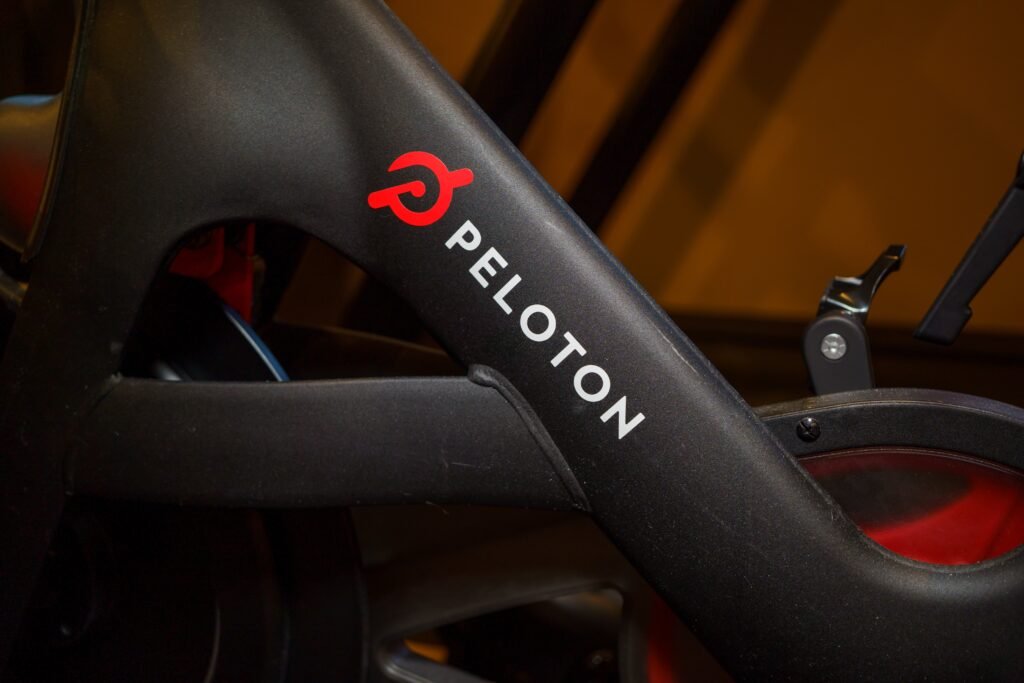
800,000 high-end exercise bikes designed to make you healthier can actually send you to the emergency room.
Quick Take
- Over 800,000 Peloton Bike+ units were recalled after seatpost failures caused injuries.
- The recall affects bikes sold nationwide from January 2020 to April 2025.
- Peloton’s rapid, voluntary recall response spotlights broader safety issues in connected fitness.
- Consumer trust, brand reputation, and the future of “smart” exercise equipment are all up for grabs.
Peloton’s Recall: The Unraveling of a Fitness Phenomenon
Peloton’s rise from boutique disruptor to household name was turbocharged during the pandemic, as millions brought high-tech bikes into their homes. Yet, on November 6, 2025, a quiet but seismic event rocked the world of connected fitness: Peloton and the U.S. Consumer Product Safety Commission (CPSC) announced the voluntary recall of 833,000 Original Series Bike+ models. The culprit? A deceptively simple but catastrophic flaw—a seatpost assembly that could snap under pressure, sending users crashing to the floor. The recall followed three reported seatpost failures and two documented injuries, but the true shock lay in the scale: more than 800,000 units, one of the largest fitness equipment recalls in recent memory.
Watch: Peloton recall: Injuries reported from seat post breaking
The Anatomy of a Crisis: Timeline and Stakeholders
Bike+ models first rolled out in January 2020, with the affected units manufactured and sold through April 2025. This model wasn’t just Peloton’s flagship—it was a symbol of the connected fitness revolution, featuring premium hardware and an immersive digital experience. The recall’s timeline tells a story of rapid market adoption followed by the unanticipated consequences of mass production: three seatpost failures, two injuries, and a swift, high-profile recall.
At the center of the storm: Peloton Interactive Inc., the CPSC, and a legion of consumers. Peloton’s motivation was clear—protect the brand, safeguard users, and stay in compliance with federal regulators. The CPSC, wielding its regulatory authority, demanded immediate action to prevent further harm. Consumers, caught in the crossfire, wanted only what they were promised: safe, reliable equipment and a remedy that didn’t involve waiting months to get back on the saddle.
Safety First or Damage Control? The Broader Impact
Peloton’s public statement emphasized its “commitment to safety and customer support,” while the CPSC urged consumers to stop using the affected bikes immediately and request repairs. The recall process itself became a test of corporate responsibility. Peloton moved quickly, offering free replacement parts and online guidance for self-repair. But for the 800,000-plus affected owners, the disruption was instant and painful; their fitness routines derailed, their trust shaken, and their investment suddenly in limbo.
Lessons for an Industry
For American consumers—especially those old enough to remember product recalls from the days of unsafe cars and lead-painted toys—the Peloton incident was a sobering reminder that progress comes with trade-offs. As fitness equipment grows smarter and more complex, so too do the risks. Regulatory agencies like the CPSC have never been more essential in safeguarding the public, and consumers have never been more empowered to demand transparency, accountability, and above all, safety.
Sources:
Bicycle Retailer
Peloton Support
U.S. Consumer Product Safety Commission