

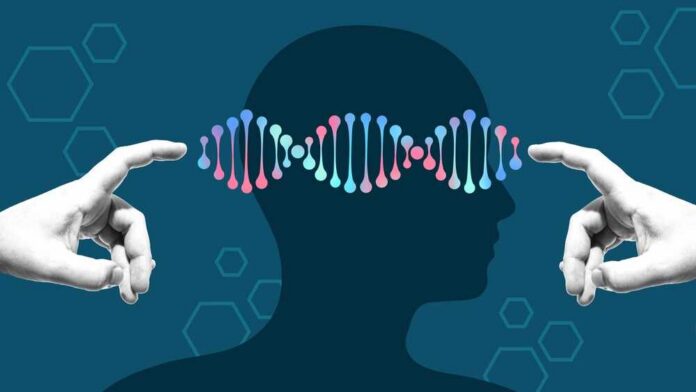
The popular notion that lifestyle trumps genetics when it comes to how long you’ll live just got flipped on its head by landmark research revealing your genes control far more of your lifespan than anyone previously imagined.
Story Snapshot
- Genetics account for approximately 55% of human lifespan variation, more than doubling previous estimates of 15-33%
- Earlier studies underestimated genetic influence by failing to separate deaths from accidents and infections from those caused by aging and disease
- The remaining 45% of lifespan is determined by controllable lifestyle factors including diet, exercise, sleep, and sense of purpose
- Genetic influence varies by disease: 70% for dementia, 50% for heart disease, but only 30% for cancer
- The paradigm shift emerged from analyzing twin registries in Denmark, Sweden, and the United States
The Longevity Myth We All Believed
For decades, the scientific consensus held that your fate rested primarily in your hands. Researchers confidently told us genetics explained a mere 15-33% of lifespan differences between individuals, with some estimates dipping as low as 7%. This narrative empowered millions with the belief that lifestyle choices mattered most, that disciplined habits could overcome any genetic disadvantage. The advice industry thrived on this premise, churning out endless prescriptions for diet, exercise, and wellness routines guaranteed to add years to your life.
The problem? Those estimates were systematically wrong. Scientists analyzing twin studies from the late 1800s and early 1900s failed to account for a critical distinction. Their data lumped together people who died from aging-related diseases with those killed by accidents, infections, and environmental hazards. When someone died from typhoid fever or a factory accident in 1910, their death told researchers nothing about genetic influences on aging. These extrinsic mortality factors masked the true genetic signal hiding in the data.
The Science That Changed Everything
A groundbreaking study published in Science fundamentally rewrote the longevity playbook by making one crucial adjustment: separating intrinsic mortality from extrinsic mortality. Intrinsic mortality includes deaths from the diseases we associate with aging—heart disease, cancer, dementia, and the gradual breakdown of bodily systems. Extrinsic mortality covers everything else: accidents, infections, violence, and environmental causes. When researchers controlled for extrinsic factors in twin cohorts spanning three countries, genetic heritability of lifespan jumped dramatically to 50-55%.
This finding aligns human lifespan with other major traits, which typically show roughly 50% heritability. The research represents what scientists call a paradigm shift in geroscience, fundamentally changing how we understand aging. Genetics don’t just nudge your lifespan in one direction or another—they determine the majority of variation between individuals. Your DNA sets the primary boundaries within which lifestyle factors operate, not the other way around.
Not All Diseases Follow the Same Genetic Rules
The genetic influence on longevity varies considerably depending on which disease threatens you and when. Dementia shows the strongest genetic component, with approximately 70% of risk determined by heredity up to age 80, after which genetic influence gradually declines. Heart disease sits at the median, with genetics accounting for roughly 50% of risk. Cancer presents the most interesting case: genetics consistently explain only about 30% of risk throughout life, making it the condition most responsive to lifestyle interventions.
This variation matters because it tells us where our efforts make the biggest difference. For the first seven or eight decades of life, lifestyle choices exert a stronger influence on health outcomes than genetics. But this balance shifts as you age, with genetic factors becoming increasingly dominant. The implication cuts against the grain of personal responsibility rhetoric: past a certain age, your inherited cellular machinery matters more than your disciplined habits.
The 45% You Can Actually Control
While genetics claim the majority stake in longevity, the 45% attributed to lifestyle remains substantial and actionable. Research identifies specific non-genetic predictors that influence how long you live: marital status, smoking history, mobility and functional ability, self-rated health, endocrine and metabolic health, respiratory health, and energy levels. Diet, exercise, sleep patterns, and having a sense of purpose all contribute to this controllable portion of the lifespan equation.
Yet even here, the picture gets murky. One comprehensive study found that known lifestyle predictors collectively explained only 13.8-14.1% of longevity variance, leaving a large proportion of unexplained variation. Scientists can identify factors that matter, but quantifying their precise impact remains elusive. This uncertainty should humble anyone offering guarantees about lifespan extension based on lifestyle modifications alone.
Why Gene Therapy Won’t Save Us
The discovery that genetics play a larger role might seem like an invitation for genetic interventions to extend life. Unfortunately, longevity proves stubbornly resistant to simple fixes. Lifespan is polygenic, meaning it’s determined by many genes working in concert rather than single gene variants we can target. Current gene therapy technology focuses on correcting single-gene defects, making it potentially ineffective against the complex genetic architecture underlying aging.
Common gene variants associated with long lifespans—including those in APOE, FOXO3, and CETP genes—aren’t found in all long-lived individuals. Supercentenarians carry both disease-risk variants and newly identified variants that possibly promote longevity, suggesting intricate gene interactions scientists barely understand. The cellular mechanisms involved span DNA repair, telomere maintenance, protection from free radicals, lipid metabolism, inflammation regulation, and cardiovascular and immune function. Tweaking one gene in this interconnected system risks unforeseen consequences.
The Conservative Take on Personal Responsibility
This research doesn’t absolve anyone of responsibility for health choices, but it does inject realism into expectations. The conservative principle of personal accountability remains valid within the 45% of lifespan we can influence. You should exercise, eat well, avoid smoking, and maintain social connections not because these habits guarantee longevity, but because they represent stewardship of the life you’ve been given. The findings challenge the modern tendency toward health perfectionism and the judgment that accompanies it.
Someone who dies young despite healthy habits didn’t fail—they drew an unlucky genetic hand. Conversely, someone who lives to 95 while smoking and eating poorly shouldn’t be celebrated as proof that lifestyle doesn’t matter. Genetics explain population-level variations, not individual outcomes. The humility to accept biological limits while maximizing controllable factors reflects wisdom, not defeatism.
Sources:
Genes Longevity Study – Prevention Magazine
New Study Shows Lifespan Is 50% Genetic, Doubling Previous Estimates – NAD
Predictors of Longevity Variance – PMC/NIH
Understanding Longevity Genetics – MedlinePlus
Human Life Expectancy More Hereditary Than Previously Thought – Science Media Centre
Heritability of Human Lifespan – Science Journal