

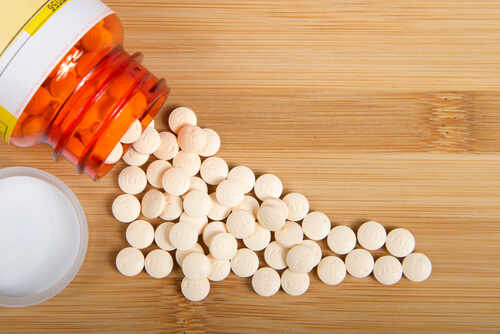
Millions swallow Prilosec or Nexium daily for heartburn relief, unaware these pills might silently erode their bones and blood over years.
Story Snapshot
- Brazilian rat study reveals proton pump inhibitors (PPIs) like omeprazole disrupt iron and calcium absorption, mimicking human anemia and osteoporosis.
- Long-term users face elevated risks: 76% higher iron deficiency anemia, 15% more osteoporosis, 15% increased fractures versus alternatives.
- PPIs dominate 95% of acid prescriptions since 1989, affecting millions, especially elderly women and high-risk patients.
- Experts urge monitoring; animal data supports prior human associations but demands human trials for causality.
- Common sense demands questioning pharma dominance when gastric acid, vital for nutrient uptake, gets chemically erased.
Brazilian Rat Study Exposes Mineral Disruption
Federal University of São Paulo researchers administered omeprazole to rats at human-equivalent doses. Iron levels plummeted, triggering anemia signs like low hemoglobin. Calcium absorption failed, leading to bone density loss and osteoporosis markers. Rats showed direct interference in gastric processing, the acid environment PPIs suppress. This controlled model provides mechanistic proof beyond vague human correlations. News broke February 26, 2026, sparking urgent alerts.
Human Data Echoes Animal Warnings with Hazard Ratios
To-Pang Chen’s TriNetX analysis compared PPI users to H2RA users. Proton pump inhibitors raised iron deficiency anemia hazard by 1.761, osteoporosis by 1.119, and fractures by 1.153. Long-term use over one year amplified dangers, especially in elderly and women. Reduced stomach acid blocks iron and calcium uptake, confirmed in meta-analyses. FDA approved PPIs in 1989; warnings followed, yet prescriptions soared to 95% market share.
Stakeholders Grapple with Efficacy Versus Hidden Costs
Researchers from Taiwan and Brazil quantify risks through cohorts and models to guide safer prescribing. Pharma giants profit from Prilosec and Nexium sales but brace for lawsuits. FDA monitors without new actions. Physicians balance GERD relief against monitoring needs for anemia, fractures, kidney function. Patients, millions strong globally, demand deprescribing awareness. Common sense aligns with conservative values: personal responsibility trumps blind trust in Big Pharma.
Short-Term Alerts Drive Long-Term Shifts
Physicians now push blood tests for iron, calcium, bone density in long-term users. Elderly, cardiovascular, and dialysis patients face highest stakes. Healthcare costs climb for supplements and bisphosphonates. Pharma revenues teeter on guideline changes favoring H2RAs. Social momentum builds patient advocacy. Gastroenterology eyes safer suppressants. Will regulators force dose limits? Evidence mounts, but human causality lingers unproven.
Expert Views Weigh Associations Against Causality
TriNetX cohorts show clear hazard elevations; Brazilian rats explain how via mineral malabsorption. Osteoporosis Canada lists PPIs as fracture risks. Skeptics note observational limits—no direct cause in humans, initial iron levels often normal. Dose and duration matter unresolved. Animal insights strengthen calls for vigilance. Facts demand caution over dismissal; American values prize evidence-based health freedom, not overreliance on any pill.
Sources:
Popular acid reflux medication linked to anemia and bone loss.
PMC TriNetX cohort study on PPI risks.
Animal study indicates heartburn medication may increase osteoporosis and anemia risk.
Medications that can cause bone loss, falls and/or fractures.
This wildly popular drug could cause permanent damage to your body, study says.
Popular heartburn medication may trigger anemia and bone loss, new study warns.
Heartburn medicine may put your bones at risk.