

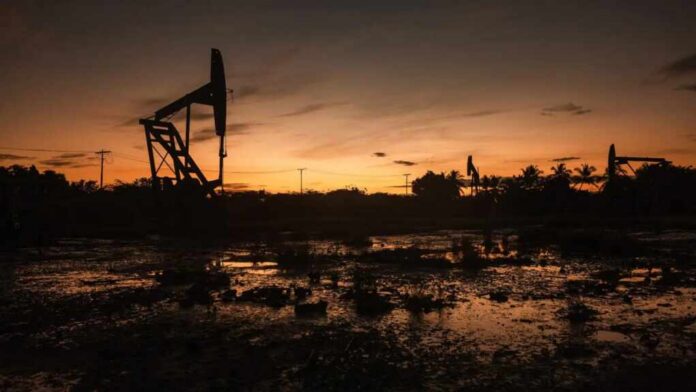
A distant war around Iran is about to hit British families right where it hurts: the cost and size of a simple Friday-night fish-and-chips.
Story Snapshot
- Escalation tied to Iran is driving oil-and-gas volatility focused on the Strait of Hormuz, a major global energy chokepoint.
- Higher energy and fuel costs are squeezing UK fish-and-chip shops that rely on power-hungry fryers, refrigeration, and frequent deliveries.
- Industry voices warn many shops may respond with higher prices, smaller portions, or both, as margins stay thin.
- Fish and chips already jumped roughly 52% in five years, leaving consumers less able to absorb another round of increases.
Iran-Linked Energy Risk Is Rippling Into Everyday UK Prices
Markets have been reacting to escalations involving Iran and regional forces by pricing in potential disruption through the Strait of Hormuz, a narrow route handling roughly one-fifth of the world’s oil and gas flows. That risk alone can swing oil and gas prices, and UK businesses feel it quickly through fuel, shipping, and wholesale energy costs. For households already fatigued by inflation, this is the familiar pattern: geopolitical turmoil abroad, higher bills at home.
UK fuel prices have shown immediate sensitivity during recent spikes, with reporting citing pump-price rises of about 3p per litre for petrol and 5p for diesel within days of an escalation phase. Shipping and insurance costs can also climb when tanker routes look less secure, and logistics firms have warned those costs don’t stay isolated to the Middle East. Even businesses that never import from the Gulf can get hit when energy and transport become more expensive across the board.
Why Fish-and-Chip Shops Get Hit First and Hardest
Fish-and-chip shops are a perfect stress test for energy shocks because their core operation is energy intensive. Fryers must hold high temperatures across trading hours, while refrigeration runs constantly to protect fresh ingredients. On top of that, chippies depend on frequent road freight for fish, potatoes, cooking oil, and packaging—so diesel increases can land as higher delivered prices. Smaller independents typically can’t hedge energy or lock in favorable long-term deals, leaving them exposed.
In SME-focused reporting, an insolvency specialist warned that even modest increases in fuel, oil, or electricity can “quickly start to bite” for hospitality firms that operate on tight margins. The same commentary stresses the compounding problem: a chippy rarely faces just one higher bill, because energy prices also feed into supplier costs, packaging, and refrigeration. That combination is why analysts are openly discussing price hikes and portion cuts as practical survival strategies, not optional upgrades.
Prices Were Already Up More Than 50% Before This New Shock
This isn’t a story about one takeaway suddenly becoming pricier from scratch; it’s about cumulative strain. Reporting on the sector notes that the average price of fish and chips rose about 52% in five years, from £6.48 in 2019 to £9.88 by 2024, making it one of the steepest increases among common UK takeaways. Rising costs for fish, potatoes, and energy have already pushed the “cheap eat” closer to mid-priced territory.
Several earlier drivers remain in the background. After Russia’s invasion of Ukraine, the UK imposed a 35% tariff on most Russian seafood, adding pressure to whitefish supply and pricing. Poor harvests and higher farming inputs have squeezed potato markets, and the wider energy crisis sent signals of how fast bills can change, even if domestic caps don’t directly cover most commercial customers. The Iran-related oil volatility now lands on top of those unresolved pressures.
What Consumers Should Watch: “Shrinkflation” and Quiet Menu Changes
Operators facing fast-rising costs typically have limited levers: raise menu prices, reduce portion sizes, cut promotions, or simplify choices. That’s why “shrinkflation” keeps coming up in sector commentary—smaller fillets, fewer chips, or value deals disappearing while the headline price barely moves. For working-class communities and retirees on fixed incomes, those changes matter because fish and chips has long served as an affordable, filling staple rather than a luxury purchase.
Cost of fish and chips to rise, portions shrink, because of Iran war – The Mirror https://t.co/P3Kkwp7aGc
— June Bull (@PBoro1118) March 7, 2026
For the broader economy, the same mechanism that hits chippies can raise food prices elsewhere: energy costs feed into farming, processing, refrigeration, and transport. City A.M. also cited analysis suggesting that a persistent jump in energy prices for a year could lift inflation by around 0.7 percentage points while trimming output growth by roughly 0.2 points. The exact impact depends on how long disruptions and market fears last, but the direction is straightforward: higher energy tends to mean higher food costs.
Sources:
Fish and chip shops ‘under pressure’ as Iran war oil surge hits costs
Fish and chip shops ‘under threat’ from rising oil costs due to Iran war
Is fish and chips too expensive for Brits?
Will the Iran war make things more expensive?
How the Iran conflict could trigger an oil shock: a critical concern for fish and chips businesses