
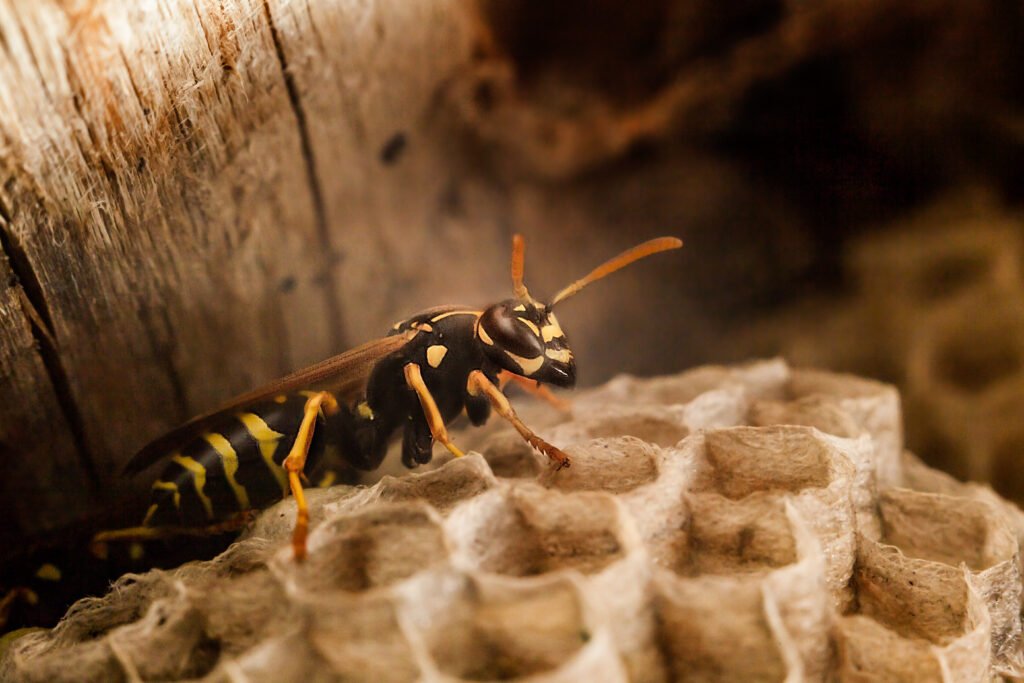
Discovery of parasitic wasps in the U.S. raises questions about ecological impacts and biosecurity.
Story Highlights
- Two parasitic wasp species, *Bootanomyia*, found on U.S. coasts.
- Genetic analysis points to their European origins.
- Citizen scientists played a key role in the discovery.
- Concerns arise over potential impacts on native ecosystems.
Parasitic Wasps: A New Invasive Threat?
In a recent study published in the *Journal of Hymenoptera Research*, scientists confirmed the presence of two non-native parasitic wasp species in North America. These wasps, belonging to the genus *Bootanomyia*, were discovered on both the East and West Coasts of the United States. Genetic analysis reveals their roots trace back to Europe, indicating at least two separate introduction events. The findings have sparked discussions about the ecological consequences of such introductions.
The involvement of citizen scientists in this discovery highlights the importance of public engagement in biodiversity monitoring. By collecting samples and contributing to data, these volunteers played a crucial role in unraveling the mystery of these hidden invaders. This collaborative approach not only enhances scientific understanding but also raises public awareness about the complexities of ecological interactions and the risks posed by invasive species.
Watch: Parasitic Wasps in the U.S.: An Unseen Invasion.
Genetic Analysis and Ecological Implications
Advanced genetic barcoding techniques were employed to distinguish these cryptic wasp species from their native counterparts. This method confirmed the presence of two distinct *Bootanomyia* clades, each with different European origins. The East Coast populations showed greater genetic diversity, suggesting multiple introductions, while the West Coast populations appeared more uniform, indicating a single event. The potential impact on native oak gall wasp populations and broader ecosystems remains uncertain, warranting further investigation.
The introduction of these wasps could disrupt the delicate balance of native ecosystems. Parasitic wasps play a role in controlling insect populations, and their introduction might alter existing interactions among native species. This highlights the need for continued monitoring to assess the long-term ecological effects and to develop strategies for mitigating potential risks to native biodiversity.
Citizen Science and Future Monitoring
The discovery underscores the significance of citizen science in environmental research. By involving the public in scientific endeavors, researchers can achieve broader data collection and foster a deeper understanding of ecological issues. This collaboration is essential for ongoing efforts to track the spread of invasive species and to manage their impacts. Moving forward, researchers emphasize the importance of vigilance and proactive measures to safeguard native ecosystems against similar threats.
Efforts to understand the full ecological implications of these wasps are ongoing. As research progresses, findings will inform policy decisions regarding biosecurity and invasive species management. This case serves as a reminder of the interconnectedness of global ecosystems and the need for informed strategies to protect them.
Sources:
Discovery of rare parasitic wasp species likely hitchhiked on a plane to get to the U.S.
Invasive parasitic wasp discovered in the USA
Journal of Hymenoptera Research: Introduction of Palearctic parasitic wasps to North America