
A new state policy imposes product bans to protect children, drawing debate over its necessity and impact.
Story Highlights
- California and Oregon lead with first-of-their-kind bans on PFAS and artificial dyes.
- Bans target children’s products, food additives, and school supplies.
- Health risks like cancer and behavioral disorders drive regulatory action.
- Manufacturers face significant reformulation costs and compliance challenges.
State-Level Bans on Hazardous Substances
California and Oregon have enacted significant bans on products containing PFAS and artificial dyes, citing escalating health concerns. These prohibitions specifically target items used by children, including food additives and school supplies. The measures aim to mitigate potential health risks such as cancer and behavioral disorders linked to these substances, according to health advocacy groups and scientific studies.
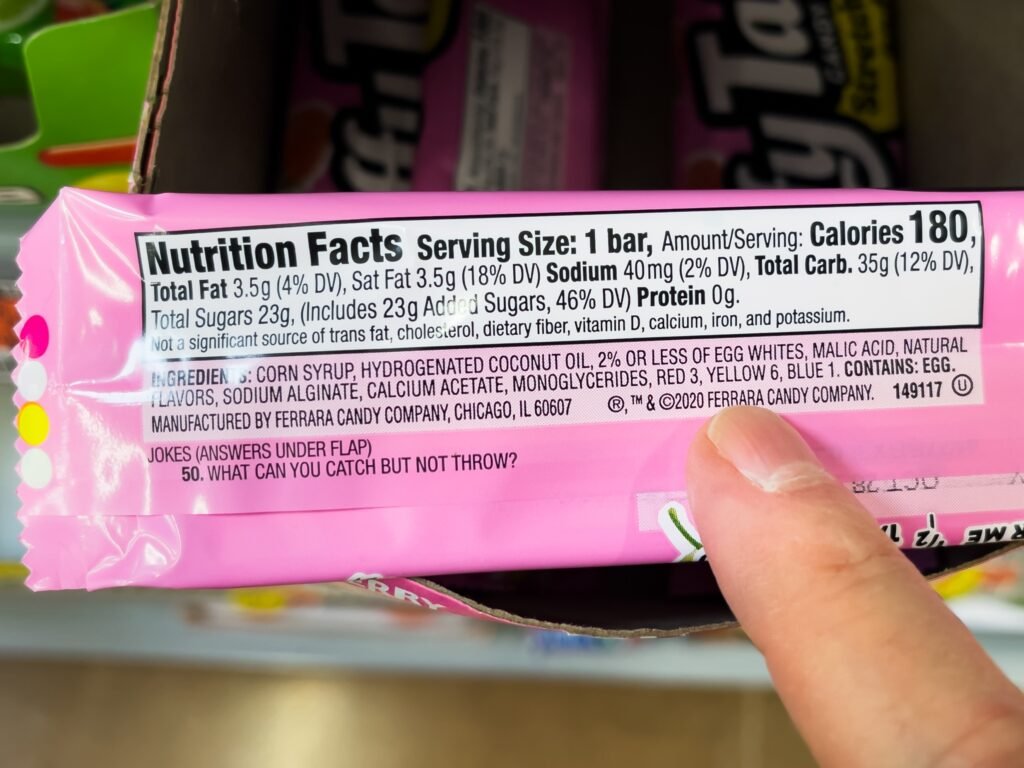
The bans represent a pioneering regulatory step, as no other states have enacted similar comprehensive prohibitions. California’s ban on Red Dye No. 3 and other additives will be effective by January 2027, while Oregon’s restrictions on PFAS in children’s products started in January 2025. The FDA has also announced a nationwide ban on Red Dye No. 3, effective January 2025, underscoring the growing federal interest in these health issues.
State bans products with dangerous substance amid growing fears of overuse by kids https://t.co/AXLwO2CnId #FoxNews
— Truman Cash (@TrumanCash2) October 10, 2025
Impact on Manufacturers and Consumers
The new regulations present significant challenges for manufacturers who must reformulate products to comply with the bans. These changes could lead to increased production costs and potential disruptions in the market. However, proponents argue that the health benefits, particularly for children, outweigh these economic concerns. The bans reflect a broader trend towards prioritizing public health over industry convenience.
The social impact of these bans is also noteworthy. Parents and educators have expressed support for measures that ensure safer products for children, while advocacy groups continue to push for more comprehensive federal regulations. Increased public awareness and confidence in product safety are expected outcomes, fostering a shift in consumer preferences towards safer alternatives.
Political and Regulatory Dynamics
The bans highlight a growing trend of state-led initiatives addressing regulatory gaps at the federal level. California and Oregon, known for their progressive policies, are spearheading efforts to protect children from potentially harmful substances. This state-level leadership may inspire similar actions across other states, potentially leading to more unified national standards in the future.
While these efforts have been met with resistance from some industry groups, citing concerns over feasibility and costs, public health experts support the bans. They emphasize the long-term benefits of reducing exposure to harmful substances, particularly in vulnerable populations like children. As the regulatory landscape evolves, manufacturers and policymakers will need to adapt to these emerging health and safety priorities.
Sources:
BCLP Law: PFAS in Children’s Products State-by-State Regulations
BASS Medical Group: Red Dye No. 3 Ban and Health Risks
California Health & Human Services: Governor Newsom Signs Law
RegAsk: USA Ingredient Ban Regulations and Industry Impact