
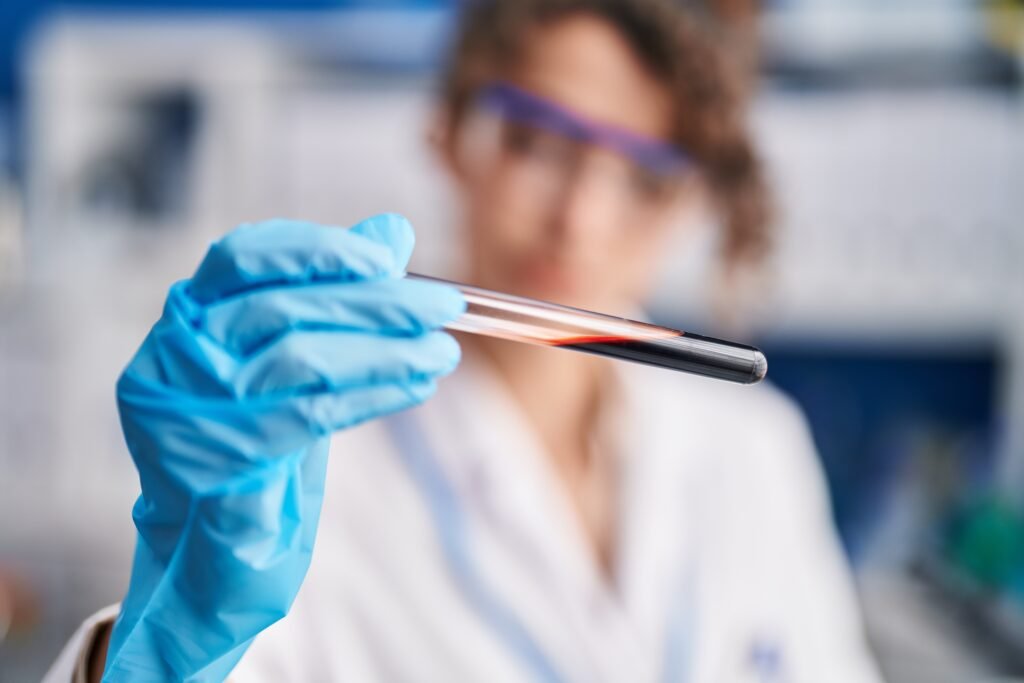
A test that can estimate your Alzheimer’s risk before you forget your own keys may soon be as routine as checking your blood pressure.
Quick Take
- New tools can predict Alzheimer’s years before symptoms emerge, transforming how and when risk is detected.
- Blood-based biomarkers and digital tests now allow for scalable, non-invasive screening in clinics and homes.
- Early detection opens doors to lifestyle changes, planning, and access to experimental therapies.
- Major institutions like Mayo Clinic and Cognivue are racing to bring these predictive tools to everyday healthcare.
Alzheimer’s Prediction Moves from Science Fiction to Doctor’s Office
Alzheimer’s disease has haunted families for generations, lurking undetected until memory loss and confusion shatter daily life. That grim timeline is now being disrupted. Researchers at Mayo Clinic and companies like Cognivue have developed new predictive tools that estimate an individual’s risk of developing Alzheimer’s years before the first forgotten name or misplaced wallet. These innovations combine genetic information, brain imaging, and—for the first time—simple, scalable blood and cognitive tests. The result: a risk report long before symptoms, and a shot at intervention when it matters most.
Watch: Breakthrough: Alzheimer’s can now be detected years before symptoms appear
In May 2025, Cognivue launched the Cognivue Amyloid Risk Measure (CARM), a 10-minute digital test powered by machine learning. Taken in a doctor’s office or even at home, CARM analyzes cognitive performance and uses AI to estimate the likelihood of amyloid buildup, a key marker for Alzheimer’s. Meanwhile, Mayo Clinic scientists published a model in November 2025 that merges brain scans and genetic data to predict a person’s 10-year and lifetime Alzheimer’s risk. And at UC Irvine, researchers proved that a simple blood test for the pTau-217 protein, paired with a digital memory check, could spot risk up to five years before decline begins.
Why the Stakes Have Never Been Higher: The Race for Early Detection
Historically, by the time Alzheimer’s was diagnosed, damage was already done—patients and families were left reacting rather than planning. New tools now promise a paradigm shift. Instead of waiting for symptoms, doctors can predict risk in the preclinical phase, when interventions may be most effective. This change mirrors the evolution of heart disease care, where risk models like the Framingham Score led to statins and lifestyle changes years ahead of heart attacks. For Alzheimer’s, early detection means more time for patients to prepare, try new medications, and even join clinical trials that could stall or prevent decline.
Challenges, Controversies, and the Road Ahead
While the promise is immense, challenges remain. Predictive accuracy in diverse populations must be proven to avoid disparities in care. Some experts raise ethical questions: How will patients handle knowing their risk? Will insurance cover these new tests, or will families bear the cost? Yet the momentum is undeniable. Peer-reviewed studies consistently validate these tools, and the FDA has cleared several for clinical use. As digital diagnostics and blood biomarkers become routine, the transformation of Alzheimer’s care from reactive to proactive seems inevitable.
For today’s aging population, the message is clear: the future of Alzheimer’s detection is arriving not someday, but now. As the predictive power of these tools grows, the question shifts from whether you want to know your risk, to what you’ll do with the knowledge—while there’s still time to change the story.
Sources:
UCI MIND: Early detection using blood tests and digital memory assessments
Cognivue: Launch and validation of CARM and Clarity device
Mayo Clinic: Predictive model using imaging and genetics
Fox News: Media coverage of Mayo Clinic’s new tool
Mayo Clinic News: Official announcement of predictive tool