
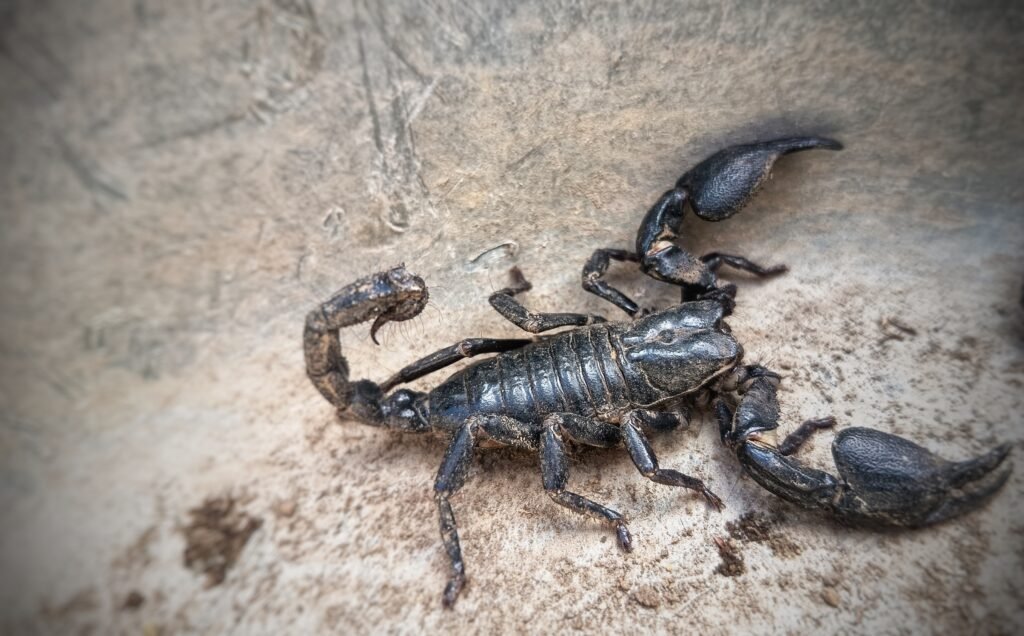
One drop of Amazonian scorpion venom, it turns out, may hold the key to a breast cancer breakthrough that could rewrite the rules of cancer therapy.
Story Snapshot
- Brazilian scientists have isolated a molecule from Amazon scorpion venom that kills breast cancer cells
- The compound, BamazScplp1, works against triple-negative breast cancer, the hardest type to treat
- Early results show it’s as potent as today’s chemotherapy, but with less harm to healthy cells
- The discovery could launch a new era of targeted, less toxic cancer drugs—if it survives the next scientific hurdles
Amazon Venom: From Rainforest Threat to Cancer Lab Hope
Deep in the Amazon, the scorpion Brotheas amazonicus has long been a creature best avoided. Yet in 2025, Brazilian researchers from the University of São Paulo turned to its venom not with fear, but with hope. By isolating a molecule dubbed BamazScplp1, these scientists found a natural compound that, in lab tests, annihilated breast cancer cells—especially the notoriously stubborn triple-negative subtype. This discovery arrived after decades of bioprospecting in the world’s richest ecosystem, and it may signal the start of a new chapter where nature’s most feared toxins become the tools of healing.
Watch:
For breast cancer patients and doctors, the Amazon’s biodiversity now represents more than a conservation talking point—it’s a potential lifeline. The research team, led by pharmacologist Eliane Candiani Arantes, presented their findings at FAPESP Week France in June 2025, sparking global media interest and a new wave of investment in venom-based drug discovery.
Science at the Edge: How Venom’s Secrets Were Unlocked
Unlocking the potential of BamazScplp1 required more than fieldwork and courage. Advances in genomics and proteomics enabled scientists to pinpoint the precise peptide responsible for the venom’s cancer-killing power. The real genius, however, came in the lab: instead of milking thousands of scorpions, researchers used heterologous expression, inserting the gene for BamazScplp1 into yeast. This bioengineering feat allowed scalable, ethical production of the peptide—an essential step for future drug development and a victory for conservation-minded science. The molecule’s action, which induces necrosis in cancer cells, rivals the efficacy of established chemotherapy drugs like paclitaxel, but with a novel mechanism that could outsmart drug resistance.
Amazon scorpion venom shows stunning power against breast cancer https://t.co/HBOgZRa2Gy
— Zicutake USA Comment (@Zicutake) November 18, 2025
Potential, Pitfalls, and the Road Ahead
The implications of this research ripple far beyond the lab. For patients with triple-negative breast cancer, a diagnosis that often comes with few options and grim odds, the hope for a targeted, less toxic therapy is palpable. For Brazil, the discovery spotlights the enormous untapped value of Amazonian biodiversity, potentially fueling both conservation and a new biopharmaceutical industry. Yet, as with all early-stage breakthroughs, caution is warranted.
The balance between hope and hype is delicate. Industry voices praise the specificity and scalability of venom-derived peptides, while conservationists urge sustainable, ethical bioprospecting to protect the Amazon’s treasures. As this story unfolds, one thing remains clear: nature’s pharmacy still has secrets to reveal, and the next cure may be hiding where we least expect it—waiting in the sting of an Amazonian scorpion.
Sources:
ScienceAlert: Amazonian scorpion venom can kill breast cancer cells, scientists say
Phys.org: Amazon scorpion toxin shows promise against breast cancer
Times of India: Scorpion venom offers new hope for breast cancer patients: Study
PubMed Central: Amazonian scorpion venom peptide BamazScplp1 selective cytotoxicity
Frontiers in Pharmacology: Amazonian scorpion venom peptide for cancer therapy
ScienceDaily: Amazon scorpion venom shows stunning power against breast cancer
SciTechDaily: Amazon scorpion venom shows promise as next-generation breast cancer drug
Ivanhoe: Amazon scorpion venom shows stunning power against breast cancer