
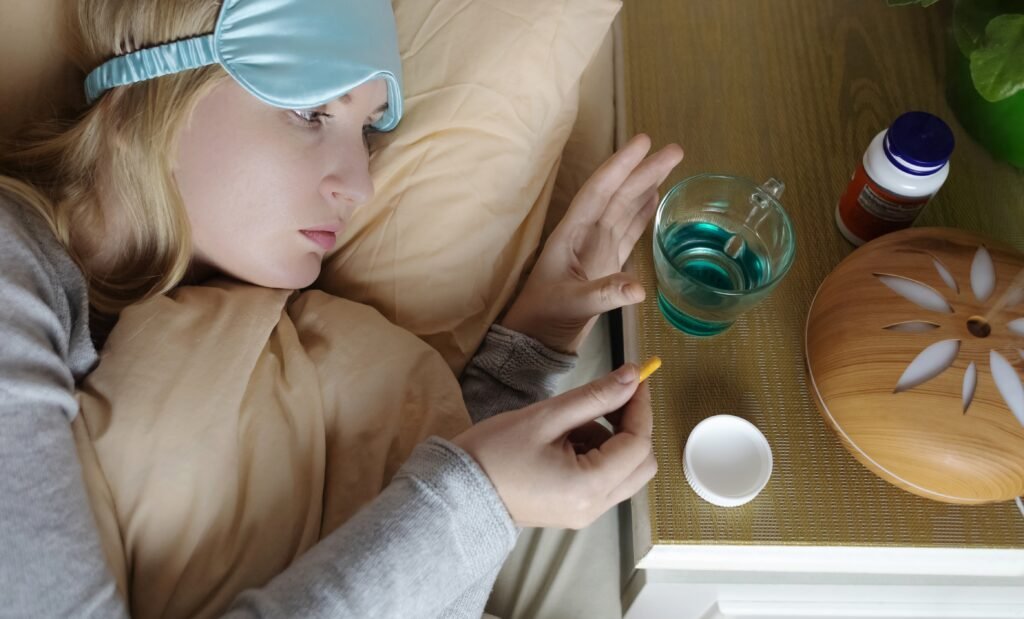
Melatonin, the beloved over-the-counter sleep aid, might be quietly undermining your gut health, and the science is now catching up to this unsettling possibility.
Story Snapshot
- New animal research links routine melatonin use to increased gut inflammation and microbial imbalance.
- The findings challenge the widespread belief in melatonin’s safety and highlight the gut-sleep connection.
- Experts urge caution, especially for those with gut issues, pending human studies.
- The supplement industry and health regulators face new questions about melatonin’s long-term effects.
Melatonin’s Rise: The Sleep Solution That May Not Be So Harmless
Millions have turned to melatonin for quick sleep, especially in the wake of restless pandemic nights and relentless news cycles. Touted as a natural fix, its sales have soared, filling medicine cabinets from coast to coast. Yet, as the supplement’s popularity climbs, a Brazilian research team has delivered a jarring twist: their 2025 mouse study suggests that this so-called gentle solution might provoke gut inflammation and microbial chaos over time.
The Brazilian study found that while mice on melatonin initially showed a dip in gut inflammation, longer-term use reversed those benefits, leaving them with aggravated gut conditions and an imbalance in their intestinal bacteria. In the world of the gut microbiome—a thriving community of trillions with outsized influence on immunity, mood, and digestion—balance is everything. Disrupt it, and the consequences ripple far beyond the digestive tract.
Watch:
The Gut-Brain Axis: Where Sleep and Microbes Collide
At the heart of this new concern is the gut-brain axis—the two-way communication system linking your intestines and your mind. Science has revealed that gut microbes not only influence digestion but also sleep patterns, mental health, and inflammation. Interventions that help sleep can shape the microbiome, for better or worse. Past research has lauded probiotics for improving both gut health and sleep. In contrast, this new evidence suggests melatonin may be an unexpected double agent, offering short-term sleep help but potentially sabotaging gut harmony in the process.
Who Stands to Lose—And Who Must Decide What’s Next?
The biggest losers, at least for now, are consumers who trust in melatonin’s gentle touch—especially those managing gut issues or chronic inflammation. For patients with IBS or other digestive disorders, the risk calculus has changed. Healthcare providers must balance the promise of sleep against the potential cost to gut health, all while awaiting more definitive human research.
Meanwhile, supplement manufacturers stand at a crossroads. Should they update labels or issue new warnings? Or wait for more data, risking a backlash if further studies confirm the worst?
Unanswered Questions and the Road Ahead
No major regulatory changes have arrived yet, and melatonin remains easy to buy. But the questions are multiplying. How much of the mouse data will apply to humans? Will future clinical trials confirm that melatonin can inflame and disrupt the human gut microbiome? Or will they find a safe path for responsible use, perhaps with new dosing guidelines or targeted warnings for vulnerable groups?
The only certainty is that the intersection of sleep science and gut health is no longer a scientific backwater—it’s a front line in the battle for better health.
Sources:
Frontiers in Nutrition
mindbodygreen
PMC (Probiotics and sleep)
Nature (Gut microbiome and sleep)
News-Medical (Microbiome and sleep disorders)