
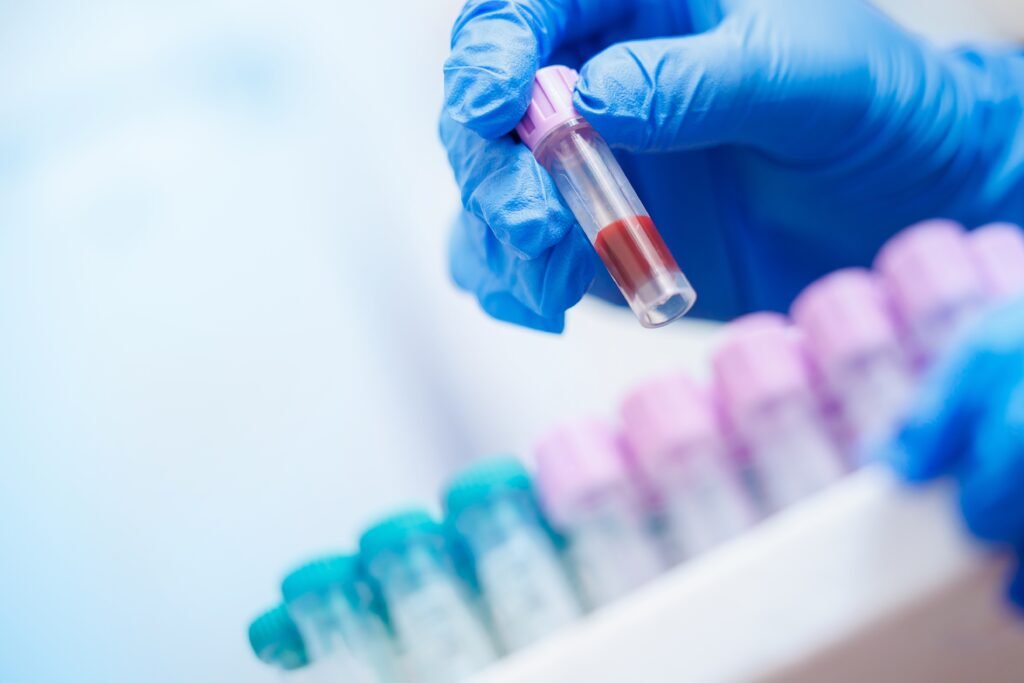
The FDA just gave American men a chance to dodge tens of thousands of painful, unnecessary prostate biopsies using a blood test.
Story Snapshot
- IsoPSA is the first FDA‑approved blood test that targets structural variants of PSA to zero in on high‑grade prostate cancer.
- The test helped cut biopsy recommendations by 55% in a real‑world study of about 900 men.
- With PMA approval, IsoPSA can now be run in CLIA‑certified labs nationwide, not just one company lab.
- Major urology and oncology guidelines already recommend IsoPSA for men 50+ with elevated PSA.
A diagnostic pivot away from “any cancer” toward “the cancers that can kill you”
For three decades, the standard PSA test has been a blunt instrument: sensitive to any PSA bump, but lousy at telling a harmless nudge from a real threat. Elevated PSA can come from benign prostatic hyperplasia, inflammation, recent procedures, or even bicycle riding, yet more than a million American men still get prostate biopsies each year, and up to three‑quarters of those procedures find no high‑grade disease.
IsoPSA steps into that mess with a different question: not “how much PSA is in the blood?” but “what kind of PSA is circulating?” Cleveland Diagnostics built the test to detect structural variants of the PSA protein that correlate with malignant transformation, essentially reading biochemical “shape changes” rather than just concentration. That shift sounds technical, but for a man staring down the barrel of a biopsy, it translates into a more focused question: is this likely to be high‑grade, clinically significant cancer?
Got a health question? Ask our AI doctor instantly, it’s free.
Watch:
From niche lab test to FDA‑vetted national tool
IsoPSA began life in 2020 as a lab‑developed test run only in Cleveland Diagnostics’ own facility; doctors had to ship blood samples to a single site and wait for results. Even under that constraint, the test gained traction because data kept pointing in the same direction: better discrimination between benign or low‑grade disease and high‑grade tumors in men with elevated PSA. A large prospective multicenter study of 888 men scheduled for biopsy showed an AUC of 0.783 for high‑grade cancer, with 90.2% sensitivity and 45.5% specificity—meaning many more men could avoid biopsies without missing dangerous cancers.
In a roughly 900‑patient clinical utility study, incorporating IsoPSA into decision‑making cut biopsy recommendations by 55%. For patients, that means fewer needles in the prostate, fewer infections, fewer hospitalizations, and fewer nights lying awake wondering if the whole ordeal was for nothing.
One click to clarity – start your consultation now.
Regulators, guidelines, and payers are unusually aligned
FDA did not treat IsoPSA as a casual incremental tweak. The agency reviewed it under the Premarket Approval pathway, the most stringent route for high‑risk devices, requiring robust clinical evidence of safety and effectiveness. That decision places IsoPSA in a small club of prostate diagnostics with that level of regulatory scrutiny. At the same time, guideline bodies had already moved: the AUA/SUO 2023 and NCCN 2025 early detection guidelines list IsoPSA as an option to refine risk in men with elevated PSA, specifically to help distinguish benign elevations from those due to high‑grade cancer.
What this means for men, doctors, and the health system
For patients, the practical upshot is a more nuanced “second opinion in a tube of blood.” Men 50 and older with an elevated PSA can now add IsoPSA to the decision mix alongside digital rectal exam, MRI, and other biomarkers, with a specific focus on high‑grade disease. That aligns strongly with common‑sense priorities: catch the dangerous cancers early, stop turning every minor lab blip into an invasive procedure, and respect patients’ time, wallets, and bodies.
For clinicians, IsoPSA does not replace judgment but sharpens it. Urologists and oncologists must integrate IsoPSA scores into existing risk calculators and workflows, deciding when a reassuring IsoPSA result justifies watching and waiting, and when a concerning result pushes firmly toward biopsy and staging. For payers and policymakers, the test is a case study in the kind of innovation conservatives typically support: a rigorously vetted private‑sector technology that aims to reduce waste and target care to those who truly need it.
Meet My Healthy Doc – instant answers, anytime, anywhere.
Sources:
Urology Times – FDA approves IsoPSA test as aid in the diagnosis of high‑grade prostate cancer
Clinical Lab Products – FDA Approves Blood‑Based Prostate Cancer Test
MDedge – FDA OKs Blood‑Based Test to Help Diagnose Prostate Cancer
Medical Economics – FDA approves IsoPSA diagnostic test to improve prostate biopsy decision‑making
Fierce Biotech – FDA approves next‑gen prostate cancer PSA test
OncLive – FDA Approves IsoPSA Blood‑Based Prostate Cancer Test as Diagnostic Aid for High‑Risk Disease