
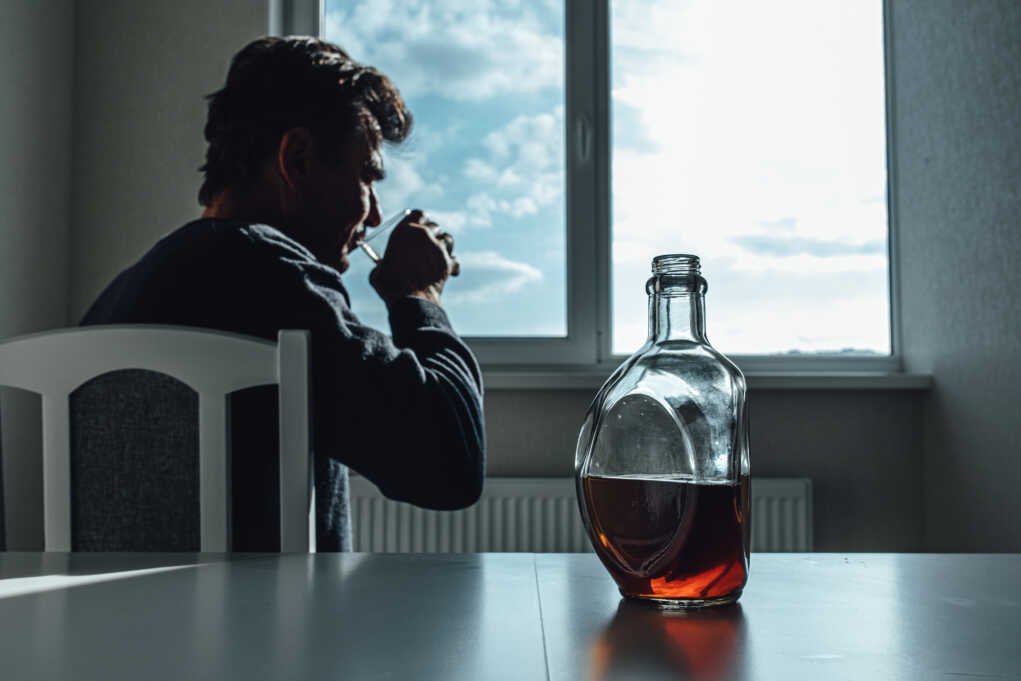
Doctors can roughly tell you, to the hour and even to the hair strand, how long alcohol can be found in your body—yet almost everyone you know still guesses wrong.
Story Snapshot
- Alcohol leaves your brain long before it leaves your blood, breath, and lab tests.
- Different tests have radically different “clocks,” from hours to three months.
- That “one drink per hour” rule is a blunt average, not a personal guarantee.
- Knowing the true timelines protects your license, your job, and your freedom.
The real question is not if you drank, but how long your biology remembers
Most people think alcohol is a simple on-off switch: you drink at night, sleep, and wake up “sober.” Doctors, toxicologists, and forensic scientists see a far more unforgiving stopwatch. Blood can show alcohol for roughly 6 to 12 hours, breath for 12 to 24 hours, saliva up to 24 to 48 hours, and ordinary urine tests up to about a day after your last drink. That gap between how you feel and what the lab can prove is where trouble lives.
Medical sources hammer on a deceptively simple rule of thumb: the average body clears about one standard drink per hour. That sounds comforting until you realize “average” hides enormous differences in sex, body weight, age, liver health, and medications. Cleveland Clinic notes that no trick—no coffee, shower, or energy drink—can force the liver to work faster. In plain terms: you cannot hack your way out of last night’s decisions by morning.
Why the test type matters more than the hangover
Blood alcohol concentration has long been the gold standard for judging impairment, especially in DUI enforcement. Breathalyzers track closely with blood, giving officers a fast, reasonably accurate picture for about 12 to 24 hours after drinking. That window is exactly why “I feel fine” does not impress a judge. MedicalNewsToday and Men’s Health both underline that you can feel clear-headed while your BAC and breath still put you on the wrong side of the law.[3]
Urine, saliva, and hair escalate the time horizon from hours to days and even months. Standard urine ethanol tests usually detect drinking for 12 to 24 hours, but when labs look for ethyl glucuronide (EtG) and ethyl sulfate (EtS), the non-oxidative metabolites of alcohol, the clock stretches to one to five days after heavy use. Hair testing goes further, capturing chronic or repeated drinking for up to 90 days using EtG and fatty acid ethyl esters (FAEE).
Watch:
Free medical guidance, anytime. Start your chat today.
Inside the kinetics: what scientists now know to the hour
Pharmacokinetic research has sharpened the math behind your last drink. A 2022 Scientific Reports study in a Chinese cohort found blood ethanol detectable for about 3 to 8 hours after a moderate dose, with an average elimination half-life near 1.24 hours but individual half-lives ranging from 0.30 to 4.23 hours.That spread makes any “exact” promise to a specific person inherently dishonest; best you can get is a range anchored in population data.
The same study showed EtG peaking around five hours and lingering in blood for 8 to 12 hours, while EtS peaked at about three hours and persisted 5 to 12 hours. For forensic experts, the ratio of EtG to EtS over time can help estimate when someone last drank, which matters in crash investigations and contested timelines. From a common-sense, rule-of-law viewpoint, those ratios are a scientific guardrail against both false denials and overreaching accusations.
Doctors Have Calculated Exactly How Long Alcohol Stays in Your System https://t.co/1W3KICCDff
— Men's Health Mag (@MensHealthMag) December 10, 2025
Where medicine, law, and personal responsibility collide
Courts, probation offices, and employers lean on these detection windows to enforce abstinence or safety rules, especially in transportation and other high-risk jobs. Extended-window markers like EtG and EtS let treatment programs and supervision agencies verify abstinence and catch relapses early. Conservative values of accountability and protecting others line up with using these tools—if, and only if, authorities interpret borderline results carefully and distinguish between heavy drinking and trivial incidental exposure. Clinical reviews warn that ultra-sensitive EtG assays can occasionally flag non-beverage exposure from products like mouthwash or sanitizers, which argues for sensible cutoff levels and context.
Got a health question? Ask our AI doctor instantly, it’s free.
Sources:
Blood alcohol, ethyl glucuronide, and ethyl sulfate kinetics study (Scientific Reports)
How Long Does Alcohol Stay In Your System? (The Lovett Center)
How long does a breathalyzer detect alcohol? (MedicalNewsToday)
How Long Does Alcohol Stay in Your System? (Cleveland Clinic)
How Long Do Drugs and Alcohol Stay in Your System? (DNA Legal)
How Long Alcohol Stays in Your Body (Men’s Health)
Ethyl glucuronide: A biomarker of alcohol consumption (review)
The Physiology of Alcohol (Intox)