
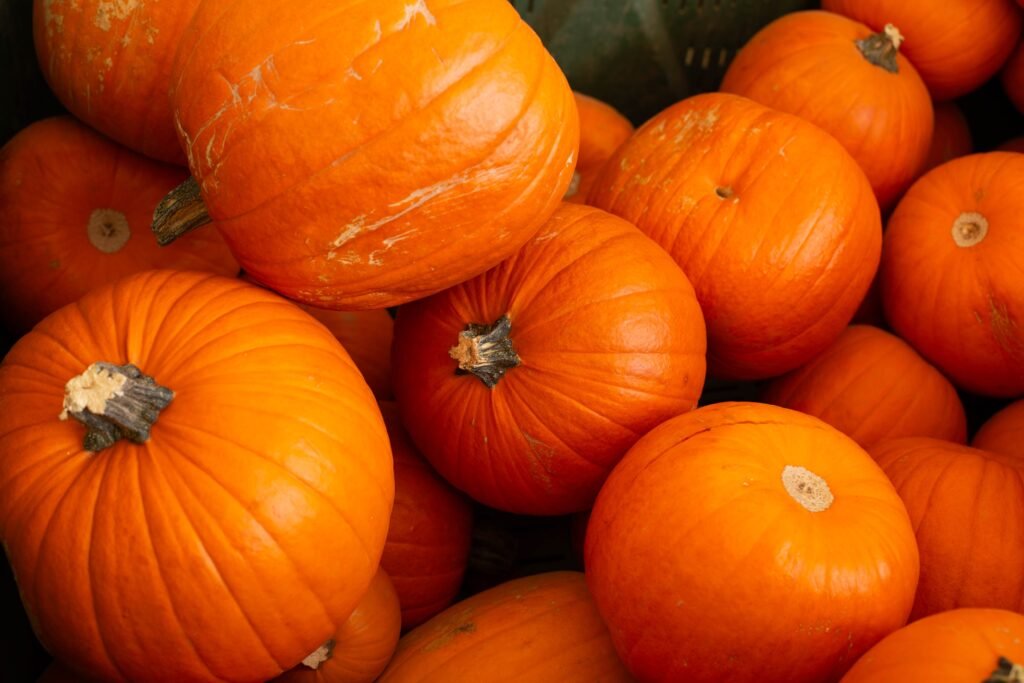
Regular pumpkin consumption triggers physiological changes that can reshape your cardiovascular health, metabolic function, and cellular protection in ways most people never realize.
Story Overview
- Pumpkin’s beta-carotene and potassium content directly impacts vision, blood pressure, and immune function
- Regular intake influences liver enzymes, prostate health, and inflammatory markers through bioactive compounds
- Clinical evidence shows measurable effects on cholesterol levels and blood sugar control within weeks
- Most dramatic changes occur in antioxidant status and cellular protection against oxidative stress
The Vitamin A Revolution in Your Eyes and Immune System
One cup of pumpkin delivers more beta-carotene than your body requires for an entire day. This orange pigment converts to vitamin A in your liver, flooding your system with the raw material needed for night vision and immune cell production. Your retinal cells begin accumulating lutein and zeaxanthin from pumpkin, creating a protective shield against age-related macular degeneration.
White blood cells respond within days to increased vitamin A levels. Your skin barrier function strengthens, mucous membranes become more resilient to infection, and your body’s first-line defense systems operate at peak efficiency. The transformation starts at the cellular level but becomes visible in improved wound healing and reduced susceptibility to respiratory infections.
Cardiovascular Cascade: Blood Pressure and Cholesterol Transformation
Pumpkin’s potassium content triggers immediate changes in fluid balance and vascular tone. Your kidneys begin processing sodium more efficiently while blood vessel walls relax. Studies document measurable blood pressure reductions in people consuming pumpkin seed oil regularly, with effects becoming apparent within two to four weeks of consistent intake.
The fiber and unsaturated fats in pumpkin seeds initiate a cholesterol-lowering cascade. LDL cholesterol drops while HDL levels rise, creating a more favorable atherogenic profile. Animal studies show these lipid changes can reduce arterial plaque formation, though human trials remain limited. Your liver responds by producing fewer inflammatory compounds that contribute to cardiovascular disease.
Watch;
Metabolic Rewiring: Blood Sugar and Insulin Response
Pumpkin polysaccharides begin altering your glucose metabolism through multiple pathways. The fiber content slows carbohydrate absorption, preventing dramatic blood sugar spikes after meals. More intriguingly, compounds in pumpkin appear to enhance insulin sensitivity and protect pancreatic beta cells from oxidative damage.
Research shows pumpkin protein isolates can increase insulin production while simultaneously lowering blood glucose levels. These effects compound over weeks of regular consumption, making pumpkin particularly valuable for people managing diabetes or prediabetes. The metabolic benefits extend to weight management through improved satiety and reduced caloric density compared to processed foods.
24 7 support for people living with chronic conditions.
Cellular Defense: Liver Protection and Cancer Prevention
Your liver begins producing more antioxidant enzymes within days of regular pumpkin consumption. Studies document significant reductions in liver damage markers including ALT, AST, and LDH levels in subjects consuming pumpkin seed proteins. The hepatoprotective effects stem from enhanced antioxidant activity that shields liver cells from chemical and oxidative damage.
Pumpkin’s arsenal of carotenoids, vitamin E, selenium, and polyphenols creates a powerful anti-cancer environment. These compounds reduce systemic inflammation while protecting DNA from oxidative damage. Research shows particular promise for hormone-sensitive cancers, with pumpkin seed oil demonstrating inhibitory effects on prostate cancer cell growth in laboratory studies.
Free consultation for chronic care management.
The Prostate and Sleep Connection
Men experience notable changes in urinary function and prostate health with regular pumpkin seed consumption. Clinical trials document improvements in lower urinary tract symptoms and reductions in benign prostatic hyperplasia markers. The mechanism involves inhibiting testosterone-induced prostate enlargement while reducing inflammatory compounds in urogenital tissues.
Pumpkin seeds provide substantial amounts of tryptophan, the amino acid precursor to serotonin and melatonin. This translates to improved sleep quality and potentially enhanced mood regulation. The sleep benefits become apparent within a week of nightly pumpkin seed consumption, though optimal dosing remains under investigation.
Start your health journey in under a minute.
Sources:
Pumpkin and Pumpkin By-Products: A Comprehensive Overview
Health Benefits of Pumpkin Components
University Hospitals: The Health Benefits of Pumpkin
UT Physicians: The Power of Pumpkin
Mayo Clinic Health System: The Perks of Pumpkin
UMass Memorial Health: The Health Benefits of Pumpkin
UAB: Pumpkin Power Benefits
ADC: Pumpkins – A Nutritional Powerhouse