Five simple tests you can perform in your living room today might reveal whether you’ll be thriving in your 80s or struggling to climb stairs next decade.
Story Snapshot
- Stanford researcher validates five at-home tests that predict longevity using balance, strength, and mobility metrics
- Failing the 10-second single-leg stand test significantly increases death risk according to cohort studies
- These DIY assessments serve as surrogates for expensive lab tests and medical scans
- Poor performance on sit-to-stand and grip strength tests correlates with higher mortality rates across age groups
- Simple interventions like targeted exercises can improve test scores and potentially extend healthspan
The Science Behind Home Longevity Testing
Jonathan Myers, a Stanford University researcher, explains these assessments serve as surrogates for key capabilities like balance and strength that influence lifespan. Prospective cohort studies spanning decades have consistently linked poor performance on functional fitness tests to disability and death risk. The beauty lies in their simplicity—no expensive equipment or medical appointments required.
The five core tests emerged from geriatric research dating back to the 1990s, when epidemiologists noticed certain physical capabilities predicted mortality better than traditional medical markers. Unlike comprehensive panels requiring professional oversight, these home versions democratize longevity assessment while maintaining scientific validity.
Test One: The Balance Challenge
Stand on one leg for 10 seconds without support. Sounds trivial, but failing this simple test raises death odds significantly according to research involving over 2,000 adults. Balance reflects neurological health, muscle coordination, and fall risk—all critical factors as we age. Poor balance often precedes the devastating hip fractures that derail independence in older adults.
The test requires no equipment beyond a clear floor space. Close your eyes to increase difficulty, or try it after age 65 when balance naturally declines. Improvement comes through single-leg exercises, yoga poses, and activities that challenge your center of gravity daily.
Watch:
Test Two: Grip Strength and Dead Hang Performance
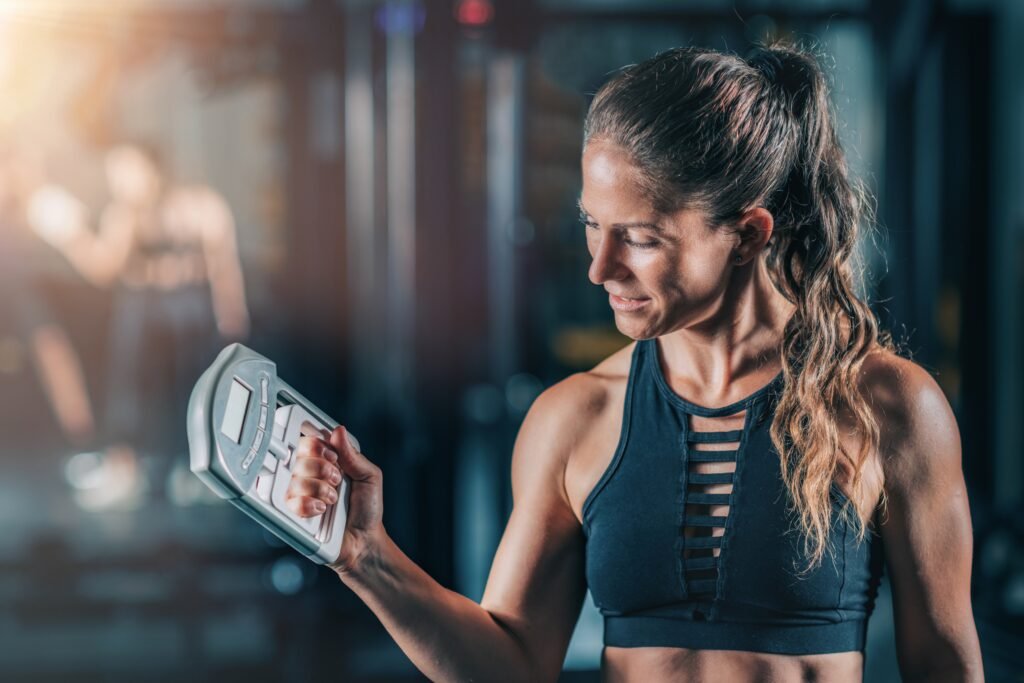
Hang from a pull-up bar or sturdy doorframe for 45-90 seconds depending on your age. Grip strength correlates with all-cause mortality across age groups, serving as a window into overall muscle mass and cardiovascular health. Men should aim for 60-90 seconds, women 45-60 seconds, with targets decreasing after age 60.
This test reveals sarcopenia—age-related muscle loss that accelerates after 40. Strong grip strength indicates preserved lean body mass, better bone density, and reduced frailty risk. Regular resistance training and farmer’s walks can dramatically improve performance within weeks.
Start your health journey now.
Test Three: The Chair Stand Assessment
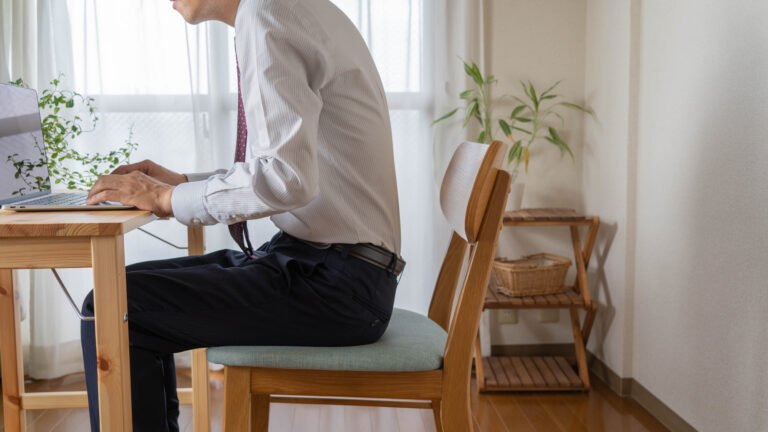
Rise from a chair five times without using your hands, timing the sequence. This sit-to-stand test directly links to mortality risk through its measurement of lower-body power and functional mobility. Healthy adults should complete five repetitions in under 12 seconds, with slower times indicating muscle weakness and future disability risk.
The chair test predicts your ability to perform daily activities independently—climbing stairs, getting out of bed, maintaining bathroom safety. Poor performance often precedes the loss of independence that forces older adults into assisted living facilities. Squats, lunges, and step-ups target the exact muscle groups this test evaluates.
Tests Four and Five: Memory and Movement Speed
Recall seven or more words from a 15-word list after one minute, then walk 20 feet at your fastest comfortable pace. Cognitive decline and slowed gait speed both predict shortened lifespan through different mechanisms. Memory performance indicates brain health, while walking speed below one meter per second signals cardiovascular and neurological compromise.
Brisk walking reduces mortality risk by 20% according to research, making gait speed both a predictor and intervention. Mental exercises, social engagement, and cardiovascular fitness all support cognitive performance, while regular walking maintains the movement efficiency that keeps us mobile and independent.
Watch:
Your new health companion is online, ready when you are.
Sources:
Life Extension – Longevity Tests
Paddy Barrett Substack – Five Simple Tests You Can Do At Home
Optimist Daily – 5 Simple Fitness Tests That May Reveal How Long You’ll Live
Men’s Fitness – Trainer: Every 40-Year-Old Should Be Able to Pass These 5 At-Home Fitness Tests
Relief Care Chiropractic – Five Do-It-Yourself Tests to Monitor Your Health As You Get Older