
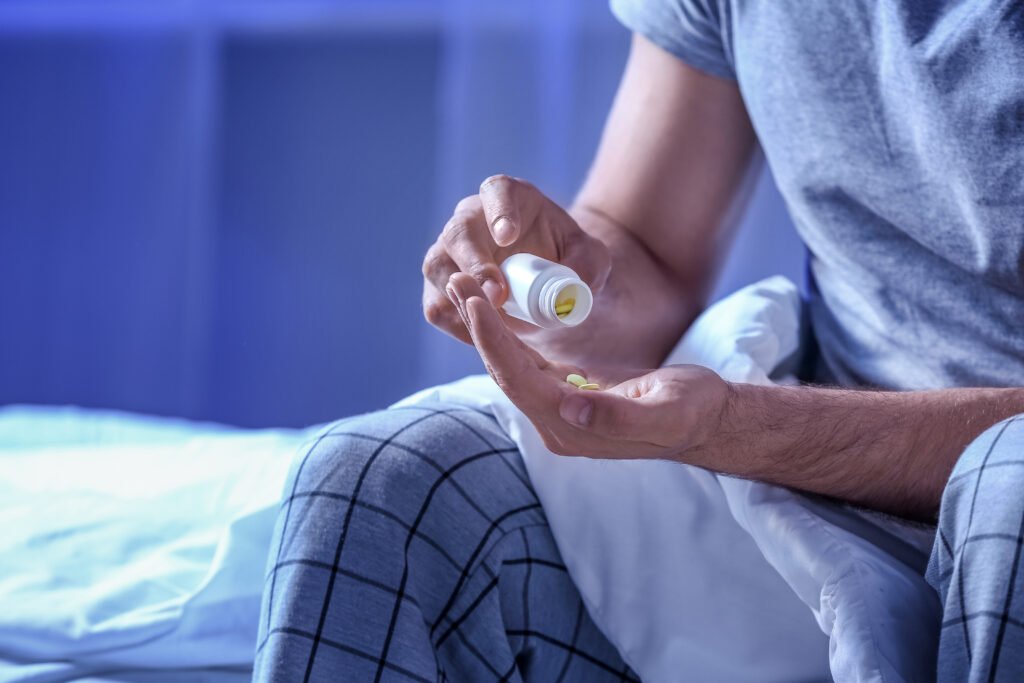
Melatonin, the go-to sleep supplement millions swear by, just got linked to a staggering 90% higher risk of heart failure in long-term users.
Story Snapshot
- Adults using melatonin for 12+ months faced 90% higher heart failure risk (4.6% vs. 2.7%) and 3.5 times more heart failure hospitalizations over five years.
- The study analyzed 130,828 insomnia patients from TriNetX database, average age 55.7, mostly women.
- Findings presented November 3, 2025, at American Heart Association Scientific Sessions in New Orleans—preliminary, associational only.
- Melatonin supplements are often inaccurate: 71% deviate from labels, with up to 465% lot-to-lot variability.
Study Reveals Alarming Heart Risks from Prolonged Melatonin Use
Ekenedilichukwu Nnadi, M.D., chief resident at SUNY Downstate and Kings County, led the analysis of electronic health records from 130,828 adults with chronic insomnia. Researchers excluded patients with prior heart failure or other prescription sleep aids. Long-term users—defined as 12 months or more—showed 4.6% heart failure incidence versus 2.7% in non-users. Hospitalization rates for heart failure reached 19.0% in users compared to 6.6% in non-users. All-cause mortality rose significantly over five years.
Sensitivity analyses strengthened results. Patients with two or more prescriptions 90 days apart had an 82% higher heart failure risk. Adjustments for age, sex, race, and comorbidities like hypertension persisted. Nnadi noted melatonin’s variable supplement content and limited efficacy for general insomnia. Common sense aligns with conservative values here: self-medicating with unproven OTC remedies risks real harm when evidence emerges.
AHA guidelines highlight heart failure’s toll on 6.7 million U.S. adults. This study challenges melatonin’s “safe and natural” image, popular since the 1990s. Usage exploded post-pandemic, yet AASM long advised against it for adult chronic insomnia, favoring circadian disorders only. Pediatric overdoses surged, prompting parental warnings.
Melatonin linked with higher heart failure rate in preliminary study pic.twitter.com/FwOAfNw7yM
— TaraBull (@TaraBull) November 4, 2025
Got a health question? Ask our AI doctor instantly, it’s free.
Melatonin’s Unreliable Quality Undermines Safety Claims
A 2017 Journal of Clinical Sleep Medicine study tested supplements: over 71% deviated more than 10% from label claims. Doses ranged 83% less to 478% more melatonin. Lot-to-lot variability hit 465% in some products. U.S. OTC status biases data—non-users may underrepresent casual takers. Global records from TriNetX span countries where melatonin requires prescriptions, like the UK.
Lead author Nnadi stated, “Melatonin supplements may not be as harmless as commonly assumed… more research needed.” Experts like Helena Schotland, M.D., from sleepeducation.org, view this as early evidence urging sleep center evaluations over self-treatment. An Inova cardiologist weighed in January 2026, linking melatonin to heart disease risks.
Watch:
Sleep better tonight with expert backed advice.
Implications Demand Smarter Sleep Strategies
Short-term, findings shift clinician discussions, potentially denting multi-billion-dollar supplement sales. Long-term, confirmation could trigger FDA labeling reviews or prescription shifts. Insomnia plagues over 130 million U.S. adults indirectly; chronic users face elevated cardiovascular threats. Broader effects pivot sleep aid markets toward cognitive behavioral therapy for insomnia (CBT-I) and accredited centers.
AASM reiterates melatonin misses for insomnia due to dosing inconsistencies. ACC.org coverage stresses clarifying its “benign” profile. Optimists note associations, not causation—confounders like severe insomnia or depression are possible. Skeptics, backed by facts, call for halting routine use, echoing conservative emphasis on personal responsibility and evidence over hype.
Patients should consult physicians before long-term use. Prioritize proven therapies. This preliminary data, awaiting peer review, underscores vigilance with “natural” aids. American conservative values prize self-reliance but demand facts guide health choices—rushing to supplements ignores emerging risks.
Your instant doctor companion – online 24 hours a day.
Sources:
https://sleepeducation.org/new-study-raises-questions-about-long-term-melatonin-use/
https://newsroom.heart.org/news/long-term-use-of-melatonin-supplements-to-support-sleep-may-have-negative-health-effects
https://www.acc.org/latest-in-cardiology/articles/2025/11/03/16/19/mon-melatonin-aha-2025
https://aasm.org/missing-the-mark-melatonin-finding-best-treatment-insomnia/
https://time.com/7332560/melatonin-and-heart-failure-sleep-supplement/
https://northernvirginiamag.com/wellness/2026/01/07/a-connection-between-melatonin-and-heart-disease-an-inova-cardiologist-weighs-in/
https://jamanetwork.com/journals/jamanetworkopen/fullarticle/2843284