
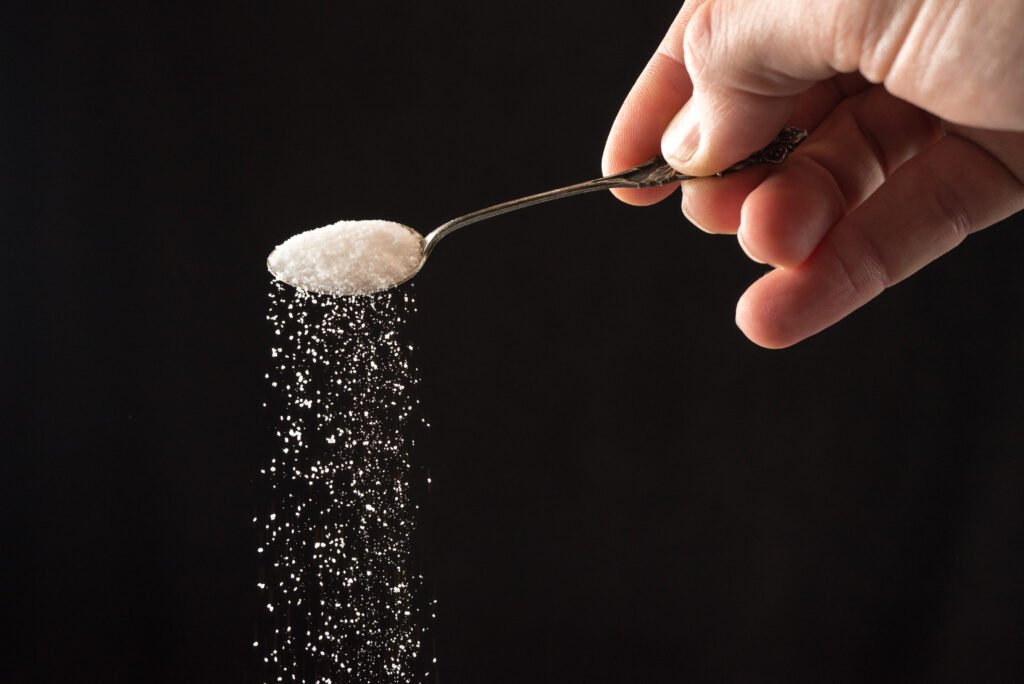
Scientists have engineered bacteria to produce a sugar that delivers 92% of the sweetness of regular sugar with 60% fewer calories and virtually no impact on blood glucose levels.
Story Highlights
- Tufts University researchers engineered E. coli bacteria to convert glucose into tagatose with 95% efficiency, far exceeding traditional 40-77% yields
- Tagatose provides the taste and cooking properties of sugar while offering 60% fewer calories and minimal blood sugar spikes
- Unlike artificial sweeteners, tagatose acts as a bulk sweetener that browns and caramelizes like regular sugar in baking
- The sugar substitute inhibits cavity-causing bacteria and supports gut health through prebiotic effects
The Sweet Science Behind Bacterial Sugar Production
The breakthrough centers on reprogramming common E. coli bacteria to reverse their normal metabolism. Researchers led by Associate Professor Nik Nair inserted enzymes, including one borrowed from slime mold, that force the bacteria to convert abundant glucose into tagatose. This elegant biological hack achieves yields of up to 95%, making production economically viable for the first time.
Traditional tagatose production relied on scarce and expensive galactose as a starting material, resulting in poor yields and high costs. The new method sidesteps this limitation entirely by using glucose, one of the most abundant and cheapest sugars available. This shift transforms tagatose from a laboratory curiosity into a commercially viable sugar alternative.
This new sugar tastes like the real thing without the usual downsides https://t.co/deYXmlEghX
— Un1v3rs0 Z3r0 (@Un1v3rs0Z3r0) January 13, 2026
Why Tagatose Outperforms Other Sugar Substitutes
Tagatose occurs naturally in small amounts in dairy products like yogurt and cheese, where it forms when lactose breaks down under heat or enzymatic action. Unlike high-intensity artificial sweeteners that taste synthetic and require tiny amounts, tagatose functions as a bulk sweetener. Bakers can substitute it cup-for-cup with regular sugar while achieving authentic browning and caramelization.
The human body processes tagatose differently than regular sugar. Only about 20% gets absorbed in the small intestine, while the remainder ferments in the colon, producing beneficial short-chain fatty acids. This unique metabolism explains why tagatose delivers sweetness without triggering significant insulin responses or blood glucose spikes that concern diabetics.
Meet My Healthy Doc – instant answers, anytime, anywhere.
Health Benefits Beyond Calorie Reduction
Clinical studies reveal tagatose actively inhibits Streptococcus mutans, the primary bacteria responsible for tooth decay. This antimicrobial effect sets it apart from regular sugar, which feeds harmful oral bacteria. Dentists are taking notice of this rare sugar that actually supports oral health rather than undermining it.
The prebiotic properties of tagatose represent another advantage over artificial alternatives. As undigested tagatose reaches the colon, beneficial bacteria ferment it into compounds that support digestive health. This contrasts sharply with concerns surrounding other sugar substitutes like erythritol, which recent research links to potential cardiovascular risks.
Watch:
Got a health question? Ask our AI doctor instantly, it’s free.
Market Impact and Future Prospects
The FDA has designated tagatose as Generally Recognized as Safe, the same classification given to salt and vinegar. This regulatory approval positions tagatose for immediate integration into food products without lengthy approval processes. The timing coincides with growing consumer skepticism toward artificial sweeteners and WHO advisories against non-sugar sweeteners for weight control.
Professor Nair emphasizes the economic transformation this method enables: “Established processes are inefficient and expensive. Our E. coli factories process glucose into tagatose at 95% yield, making production far more feasible.” This efficiency gain could disrupt the hundred-billion-dollar sugar substitute market by offering a natural alternative that matches sugar’s functionality without the health drawbacks.
Chat safely, anytime, with My Healthy Doc.
Sources:
ScienceDaily – Tufts University Tagatose Study
News-Medical – Biosynthetic Method for Low-Calorie Sugar Substitute
Ground News – Biosynthetic Sugar Substitute Study
Dentistry.co.uk – New Sweetener Without Dental Harm