
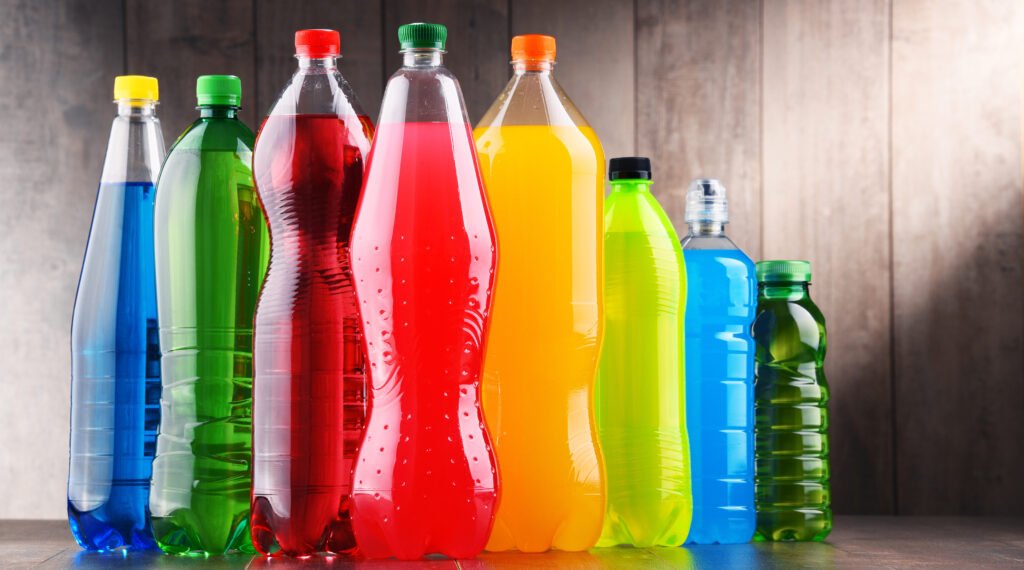
The affordability of drinks is not just an economic issue, but a public health crisis waiting to happen.
Story Snapshot
- WHO report highlights the dangers of cheaper sugary drinks and alcohol.
- Affordability increases consumption, leading to noncommunicable diseases (NCDs).
- Governments urged to implement stronger health taxes.
- Economic factors exacerbate health risks among vulnerable populations.
Cheaper Drinks, Greater Health Risks
Globally, the declining real prices of sugary drinks and alcohol have become a significant concern. A WHO report released on January 13, 2026, underscores how low taxes and rising incomes have made these potentially harmful beverages more accessible. This affordability is not just a boon for consumers but a catalyst for a variety of health issues, including obesity, diabetes, heart disease, and even cancer. The trend is particularly alarming among children and young adults, who are increasingly exposed to these health risks.
@WHO calling for ⬆️ taxes on sugary drinks and alcoholic beverages.
weak tax systems allow for harmful products to remain cheap while health systems face mounting financial pressure from preventable noncommunicable diseases and injuries.
— meta metastart 🗣 (@cmdecato) January 14, 2026
The WHO’s call to action is clear: governments must impose stronger health taxes to curtail this growing threat. The report emphasizes that the lower cost of sugary and alcoholic drinks not only fuels consumption but also leads to a rise in violent incidents and injuries. The affordability of these beverages encourages excessive use, particularly among low-income groups who are most vulnerable to their adverse effects.
Historical Context and Policy Failures
Historically, the affordability of alcohol and sugary drinks has been on a downward trend. In the United States, for example, the cost of consuming alcohol has dropped significantly since the 1950s. This trend correlates with an increase in heavy drinking and related health issues, such as liver disease and drunk driving incidents. A notable policy intervention occurred in 2009 in Illinois, where an alcohol tax hike resulted in a 26% reduction in crashes, and an even more significant 37% reduction among the youth.
Despite these examples of successful interventions, global tax systems remain weak. The WHO’s 2026 report highlights the need for urgent action, as current policies fail to address the affordability issues that contribute to NCDs and injuries. The economic pressures of the 2020s have exacerbated these trends, making the WHO’s warnings even more pertinent.
Impact on Vulnerable Populations
Low-income individuals and heavy drinkers are disproportionately affected by the affordability of sugary drinks and alcohol. Studies show that these groups often opt for the cheapest options, exacerbating their risk of developing chronic conditions such as liver disease and cancer. The WHO report also points to the parallel risks posed by sugary drinks, which contribute significantly to obesity and related health issues.
Experts argue that implementing stronger taxes on these beverages could mitigate these risks. Research suggests that even modest tax increases could lead to significant reductions in consumption, thereby saving lives and reducing healthcare costs. For instance, a 10% price hike could potentially decrease alcohol-related deaths by 32%.
Meet My Healthy Doc – instant answers, anytime, anywhere.
Policy Recommendations and Future Directions
The WHO’s call for increased health taxes is not just about curbing consumption but also about generating revenue that can be reinvested into public health initiatives. The organization argues that these taxes could offset the healthcare costs associated with treating NCDs, which are often borne by the public. However, the implementation of such policies faces significant resistance from the beverage industry, which benefits from the current affordability trends.
.@WHO urges governments to unlock health taxes on sugary drinks and alcohol to save lives and raise revenue. Read more https://t.co/Q8VzGAH2ZX
— Shahriyar Gourgi (@ShahriyarGourgi) January 15, 2026
Ultimately, the WHO’s 2026 report serves as a clarion call for governments worldwide. The evidence is clear: cheaper drinks lead to higher consumption, increased health risks, and greater economic burdens. By taking decisive action now, policymakers can safeguard public health and prevent the escalation of these issues into a full-blown crisis.
Your instant doctor companion – online 24 hours a day.