
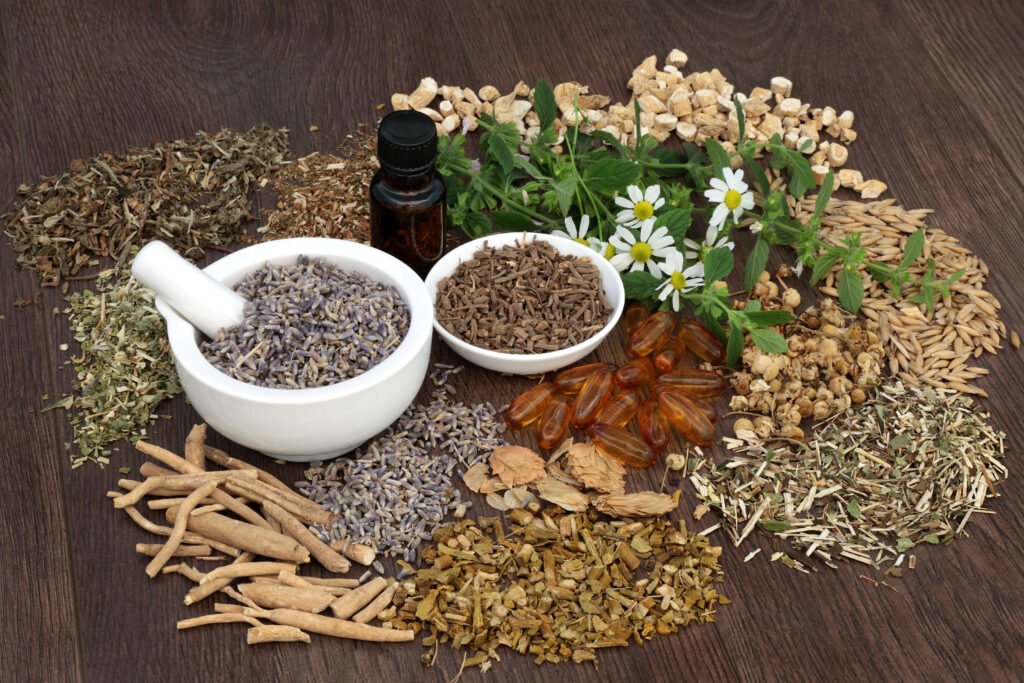
Russian scientists have cracked the code on trapping an ancient herb’s healing compounds in microscopic capsules that release precise nanodoses on command.
Story Snapshot
- Researchers developed microfluidics technology to encapsulate thyme extract in stable microcapsules for controlled drug delivery
- The breakthrough enables precise nanodose delivery while preventing evaporation and irritation common with volatile plant compounds
- Study published January 2026 bridges traditional herbal remedies with modern precision medicine through nanotechnology
- Method is scalable to other plant extracts and could integrate with AI systems for personalized dosing
Ancient Wisdom Meets Modern Engineering
Thyme has served as nature’s pharmacy for centuries, delivering anti-inflammatory, antiviral, and antibacterial benefits through compounds like thymol and carvacrol. The problem? These volatile compounds evaporate quickly and can irritate at high doses, making consistent therapeutic delivery nearly impossible. Researchers at Tomsk Polytechnic University and Surgut State University solved this puzzle using microfluidics to trap thyme extract in gelatin-sodium alginate-oil droplets.
Lead researcher Maxim Piskunov describes their innovation as “self-regulating,” meaning the system automatically maintains consistent dosing. This represents a quantum leap from earlier attempts that used simple liposomes or porous membranes, which lacked precision at the nanoscale level.
The Science Behind Controlled Release
The microfluidics technique creates uniform microcapsules by controlling oil flow rates during encapsulation. Unlike traditional methods that struggle with volatile compounds, this approach preserves bioactive molecules while enabling burst-release on demand. The team tested water-alcohol extracts with higher bioactive concentrations, demonstrating the method’s versatility beyond basic thyme preparations.
Previous studies showed thymol nanocapsules could trigger cancer cell death at 50 μM concentrations and reduce biofilms at concentrations four to eight times the minimum inhibitory concentration. However, those earlier approaches couldn’t achieve the precise, reproducible dosing that clinical applications demand.
How scientists are turning thyme into precision medicine https://t.co/UK4iaIH8Rd
— Un1v3rs0 Z3r0 (@Un1v3rs0Z3r0) January 17, 2026
Precision Medicine Revolution
This breakthrough addresses precision medicine’s core challenge: delivering exact therapeutic doses tailored to individual needs. The researchers envision combining their system with AI and machine vision technology to create personalized dosing protocols. Such integration could revolutionize how we approach natural therapeutics, moving beyond the guesswork that has historically plagued herbal medicine.
The implications extend far beyond thyme. Piskunov notes the method has “no significant limitations” and could encapsulate virtually any plant extract. This opens possibilities for precision delivery of everything from antibiofilm compounds to anticancer agents derived from natural sources, all with the consistency modern medicine requires.
Your instant doctor companion – online 24 hours a day.
Sources:
Sada News – How Scientists Are Turning Thyme into Precision Medicine
ScienceDaily – How scientists are turning thyme into precision medicine
PMC – Therapeutic and Medicinal Uses of Terpenes
SciTechDaily – Scientists Trap Thyme’s Healing Power in Tiny Capsules