
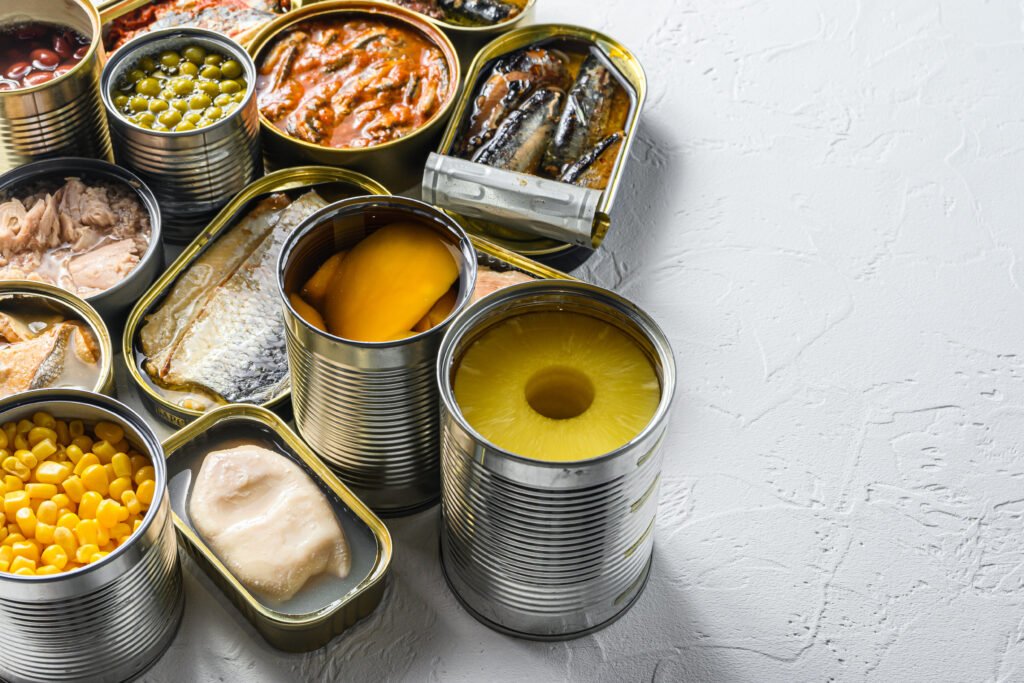
Potassium sorbate in your soda and sodium nitrite in your bacon might quietly raise your cancer risk more than you ever imagined.
Story Snapshot
- Largest study ever (105,260 people) links five common preservatives to 10-30% higher cancer odds.
- Potassium sorbate, sulfites, nitrites, nitrates, and acetic acid show risks for overall, breast, and prostate cancers.
- No causal proof—observational data only—but demands regulatory rethink on everyday processed foods.
- 11 of 17 preservatives showed no link; total intake neutral, highlighting specific culprits.
Study Details and Cohort Scope
NutriNet-Santé researchers analyzed 105,260 cancer-free French adults from 2009 to 2023. Participants provided detailed 24-hour dietary records, averaging 7.5 years of brand-specific data. Cancer cases totaled 4,226, tracked through questionnaires, medical records, and death certificates up to December 31, 2023. The BMJ published findings on January 27, 2026. Researchers divided intakes into tertiles, associating highest levels of specific preservatives with elevated risks.
Preservatives Implicated and Risk Levels
Potassium sorbate linked to 14% higher overall cancer risk and 26% for breast cancer. Sulfites correlated with 21% increased overall cancer and 24% breast cancer risks. Sodium nitrite showed 18% higher breast cancer odds; potassium nitrate tied to 24% prostate cancer increase. Acetic acid is associated with 17% overall cancer risk. These non-antioxidant preservatives appeared in drinks, meats, cheeses, and baked goods.
These common food preservatives may be linked to cancer https://t.co/sziQCTb4Fr
— Zicutake USA Comment (@Zicutake) January 27, 2026
Got a health question? Ask our AI doctor instantly, it’s free.
Historical Role of Preservatives in Food
The food industry added sodium nitrite to cured meats and potassium sorbate to beverages since the early 20th century. These inhibit microbial growth and extend shelf life for industrial scalability. IARC classified processed meats as Group 1 carcinogens in 2015 due to nitrites forming N-nitroso compounds. Lab studies hinted at DNA damage and inflammation from others, but human data lagged until this cohort effort.
Meet My Healthy Doc – instant answers, anytime, anywhere.
Stakeholders and Regulatory Pressures
Mathilde Touvier and Université Paris Cité team led the analysis, urging agencies like EFSA and FDA to re-evaluate safety. BMJ published the peer-reviewed work. Food producers defend shelf-life benefits amid costs. Consumers, especially in food-insecure areas reliant on processed options, face scrutiny. Academics push evidence-based policy; industry lobbies for balance against food security needs.
Expert Views and Study Limitations
Prof. William Gallagher called associations modest yet significant at population scale, stressing no causality. McGill OSS highlighted acetic acid’s odd link despite vinegar’s safe epidemiology and lack of lab evidence for many preservatives. Observational design cannot prove cause; confounders like overall diet possible. Total preservatives and 11 others showed no ties, aligning with inflammation hypotheses but demanding mechanistic follow-up.
Potential Impacts on Consumers and Industry
Consumers may scan labels more, shifting to fresh foods and cutting processed intake. Short-term sales dips loom for meats and drinks; long-term reformulation or bans could hike costs. Ultra-processed trends face backlash, boosting natural alternatives. Low-access groups bear higher burdens, amplifying calls for accessible healthy options rooted in common-sense prevention.
Watch:
Chat safely, anytime, with My Healthy Doc.
Sources:
Study provides more evidence linking food preservatives to cancer risk
These common food preservatives may be linked to cancer
Expert reaction to study looking at different preservatives in foods and incidence of different cancers
Higher intake of food preservatives linked to increased cancer risk
Food preservative linked to cancer, shrieked many headlines
Some widely consumed food preservatives increase cancer risk