Three simple stretches performed daily can slash lower back pain by up to 58% in just four weeks, transforming agony into effortless mobility without pills or doctors.
Story Snapshot
- Knees-to-Chest stretch lengthens tight lower back muscles for instant relief.
- Figure Four targets glutes and piriformis to ease sciatic tension.
- Hip Twist boosts spinal mobility by loosening hips and spine.
- Hospitals like Cedars-Sinai and HSS endorse these as first-line self-care.
Lower Back Pain Strikes 80% of Adults
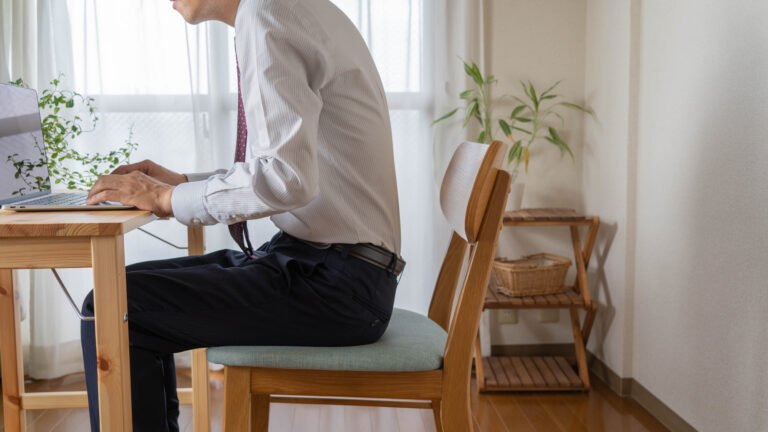
Cedars-Sinai Medical Center PT team identifies nonspecific lower back pain as the top global disability cause, hitting 80% of adults from desk jobs, poor posture, and aging. Mechanical strain and sedentary habits drive most cases, with 40-80% showing no structural damage. Conservative stretches outperform drugs or imaging for these patients. Protocols solidified post-2010s studies confirm exercise superiority. Patients gain control through accessible routines targeting muscles, glutes, hamstrings, and hips.
Knees-to-Chest Stretch Relieves Core Tension
Cedars-Sinai PTs prescribe Knees-to-Chest for lower back muscles. Lie on your back, pull both knees toward the chest, hold 30 seconds, repeat twice daily. This supine position lengthens tight muscles safely, especially for beginners. HSS promotes a single-knee version with abs engaged for added stability. Patients report immediate stiffness reduction. Proper form prevents strain, aligning with common-sense self-reliance over quick-fix meds.
Dr. Zhou at Hartford Hospital echoes this, noting pelvic tilts enhance mobility gains. Evidence shows 40% chronic improvement in adherent users, empowering office workers and elderly without equipment costs.
Meet My Healthy Doc – instant answers, anytime, anywhere.
Figure Four Stretch Eases Glute and Sciatic Pain
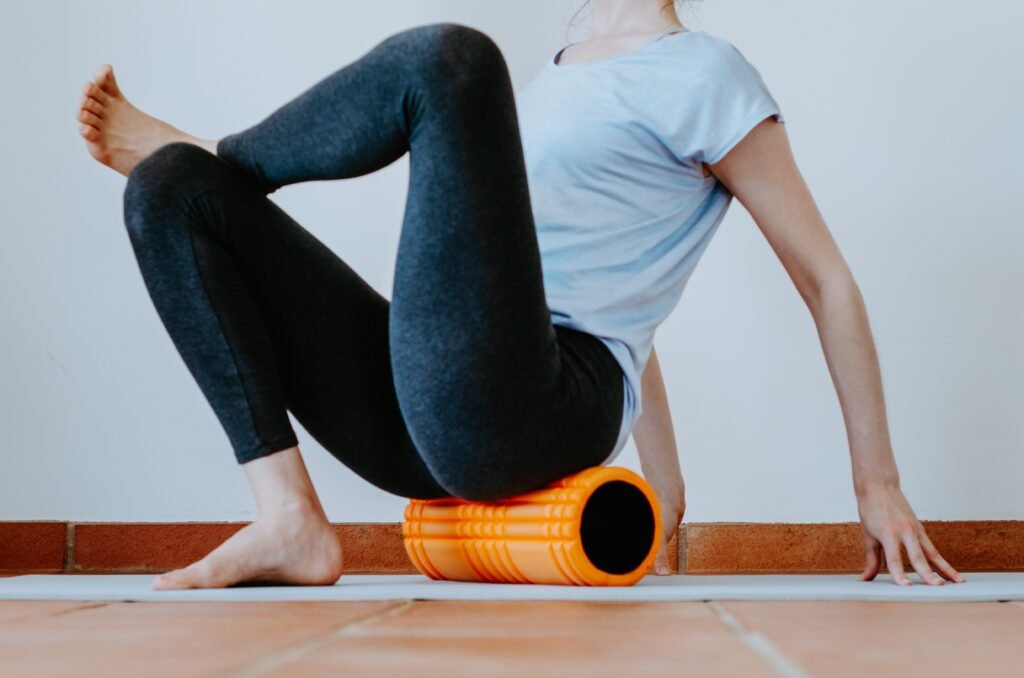
Cedars-Sinai details Figure Four, or piriformis stretch, crossing one ankle over opposite knee while supine, pulling thigh toward chest for 30 seconds, 5-10 times per side. Targets deep glutes releasing sciatic nerve pressure. Spinehealth.org reports similar crossover stretches cut pain 58% in four weeks. This beginner-friendly move prioritizes neural glides over complex yoga.
Hospitals favor it for non-invasive relief, reducing healthcare burdens. Conservative values shine here: personal responsibility via free, evidence-backed routines beats dependency on systems.
Got a health question? Ask our AI doctor instantly, it’s free.
Hip Twist Improves Spinal Rotation
Hip Twist, or supine twist, involves knees hugged together, dropping them side to side while keeping shoulders down, holding 30 seconds per side, 5 repetitions. Cedars-Sinai and Dr. Zhou highlight its role in hip and spine mobility. HSS variations add hamstring focus for comprehensive relief. PubMed 2022 meta-analysis ranks such mind-body moves top for disability reduction.
Short-term tension eases instantly; long-term, prevents 40% recurrences via better posture. Telehealth integrates these for 40% adherent improvements.
Watch;
Evidence Backs Stretches Over Alternatives
PMC studies crown yoga and Pilates superior among therapies, with stretches as safe entry. Hospitals prioritize supine safety; some experts pair with planks for strength. Consensus: combine for optimal results, assuming proper form. Uncertainties like individual variability persist, but 40-58% response rates hold across 2022-2025 data. This low-cost empowerment fits preventive public health shifts.
Your instant doctor companion – online 24 hours a day.
Sources:
Cedars-Sinai: The Best Stretches and Exercises for Lower Back Pain
Hartford Hospital: Dr. Zhou on LBP Stretches
HSS: Exercises for Lower Back Pain
Spinehealth: Stretching for Back and Neck Pain
PMC: Yoga for LBP Study
PubMed: Mind-Body Exercises for LBP Review
Tricare: Chronic LBP Exercise Info