
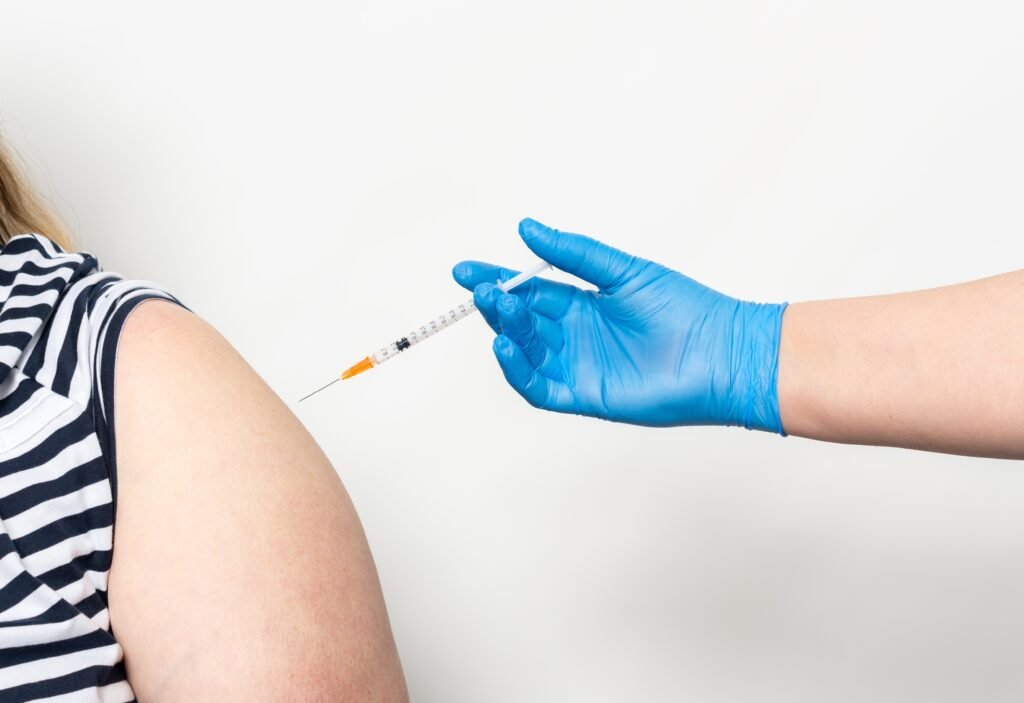
A single shot could slash your dementia risk by delaying onset and slowing progression, according to fresh Welsh data shaking up prevention strategies.
Story Snapshot
- 2025 Welsh study links shingles vaccine to 20% fewer new dementia diagnoses over seven years, strongest in women.
- Vaccination eligibility cut diagnosis rates post-rollout, using real-world population records.
- Effects persist: slower disease progression even after diagnosis.
- Highlights vaccines as a simple fix amid 14 modifiable risks preventing 45% of cases.
Shingles Vaccine Emerges as Dementia Shield
Welsh researchers analyzed health records from over 200,000 adults eligible for shingles vaccination starting 2013. Those vaccinated showed significantly lower new dementia diagnoses through 2020. Women benefited most, with hazard ratios dropping 17-20%. The varicella-zoster virus, which reactivates as shingles, triggers brain inflammation linked to cognitive decline. Vaccination blocks this pathway, offering population-level protection without lifestyle overhauls.
Watch:
Dementia Crisis Demands Actionable Prevention
Dementia cases will triple by 2050, hitting millions as populations age. Lancet Commissions pinpoint 14 modifiable risks–from hypertension and diabetes to infections and hearing loss–accounting for 45% of cases. US elders over 60 face over 50% pre-diabetes rates, amplifying vascular threats. Shingles vaccine stands out for accessibility, contrasting pricey amyloid drugs or vague lifestyle tweaks.
Meet My Healthy Doc – instant answers, anytime, anywhere.
Landmark Studies Pave the Way
Lancet 2020 identified 12 risks explaining 40% of dementias; 2024 expanded to 14, adding air pollution and early hypertension control. 2025 Welsh data uniquely ties vaccination to outcomes, tracking seven-year post-eligibility drops. Precedents like diabetes prevention trials show cognitive gains; now statins test in PREVENTABLE trial for 75+ adults.
Researchers from Welsh health services led the shingles analysis, corroborated by follow-up on progression delays. NIH funds DPPOS extensions probing long-term brain effects in diabetics. ADDF backs precision pipelines targeting these intersections.
Ongoing Trials and Policy Momentum Build
Early 2026 sees PREVENTABLE pitting statins against placebo to curb dementia in seniors. INSPIRE recruits 2,000 African Americans for lifestyle interventions; rTMS targets memory centers. Buntanetap tests mild Alzheimer’s cognition. A 40-expert panel released 56 recommendations urging messaging, treatments, and structural fixes like affordable hearing aids.
Events like ASIC Congress in May 2026 and NIA summits accelerate implementation. FY26 NIH budgets boost biomarkers and biology, prioritizing high-risk communities including women and pre-diabetic elders.
Impacts Ripple Through Society and Economy
Short-term, vaccines and statins promise diagnosis drops seven years out, boosting awareness. Long-term scaling hits 45% reduction, slashing care costs while delaying onset. Caregivers gain from dyad programs like Care2Sleep. Policies tackle isolation, pollution, deprivation–core conservative priorities of personal responsibility and community strength. Common sense affirms prevention over reaction.
Got a health question? Ask our AI doctor instantly, it’s free.
https://twitter.com/EricTopol/status/2014132028900622456?s=20
Sources:
https://ucla.clinicaltrials.researcherprofiles.org/alzheimers-disease
https://dementiawho.com/dementia-research-in-2026/
https://gminstitutes.com/2025/12/15/whats-next-for-alzheimers-and-dementia-research-in-2026/
https://clinicaltrials.ucbraid.org/dementia
https://clinicaltrials.ucsf.edu/dementia
https://medicalxpress.com/news/2026-01-experts-policy-roadmap-dementia.html
https://www.alzdiscovery.org/research-and-grants/funding-opportunities/prevention-pipeline
https://www.nia.nih.gov/2026-dementia-care-summit
https://www.alzint.com/events.html
https://www.nia.nih.gov/about/budget/fy26-professional-judgment-budget