
Scientists cracked the code on why some people with itchy, scaly skin later find themselves unable to climb stairs or open jars—a discovery that could stop joint destruction before it starts.
Story Snapshot
- German researchers discovered specialized immune cells migrate from psoriatic skin through blood to joints, triggering arthritis in susceptible patients
- The finding explains why 20-30% of psoriasis sufferers develop psoriatic arthritis while others never do
- Blood tests could soon identify high-risk patients years before joint damage begins
- Preventive therapies targeting cell migration or strengthening joint defenses may halt disease progression
The Hidden Highway From Skin to Joints
Researchers at Friedrich-Alexander-Universität Erlangen-Nürnberg uncovered something dermatologists and rheumatologists suspected but couldn’t prove for decades. Specialized immune precursor cells, spawned in inflamed psoriatic skin patches, don’t stay put. They travel through the bloodstream like microscopic invaders searching for vulnerable territory. When these cells reach joints, they encounter a second line of defense: fibroblasts, the body’s cellular gatekeepers. The study, published in Nature Immunology in early 2026, reveals that people who develop psoriatic arthritis possess weakened fibroblast responses that fail to neutralize these migrating troublemakers.
Why Your Neighbor With Psoriasis Dodges Arthritis
Dr. Simon Rauber, who led the research team, explained that cell migration alone doesn’t seal anyone’s fate. His group documented that fibroblasts in healthy joints mount aggressive defensive operations against incoming immune cells, effectively disarming them before inflammation takes hold. Patients destined for psoriatic arthritis show compromised fibroblast function—their cellular bouncers can’t keep troublemakers out of the club. This dual-factor mechanism explains the puzzle that’s haunted clinicians: identical skin disease, vastly different joint outcomes. The distinction matters immensely for the roughly 25 million Americans living with psoriasis, a quarter of whom face potential joint involvement.
Scientists uncover why psoriasis can turn into joint disease
Researchers have figured out how psoriasis can quietly turn into joint disease for some patients. Immune cells formed in inflamed skin can travel through the blood and reach the joints, where they sometimes trigger…
— The Something Guy 🇿🇦 (@thesomethingguy) February 6, 2026
The Blood Test Revolution Coming for Psoriasis Patients
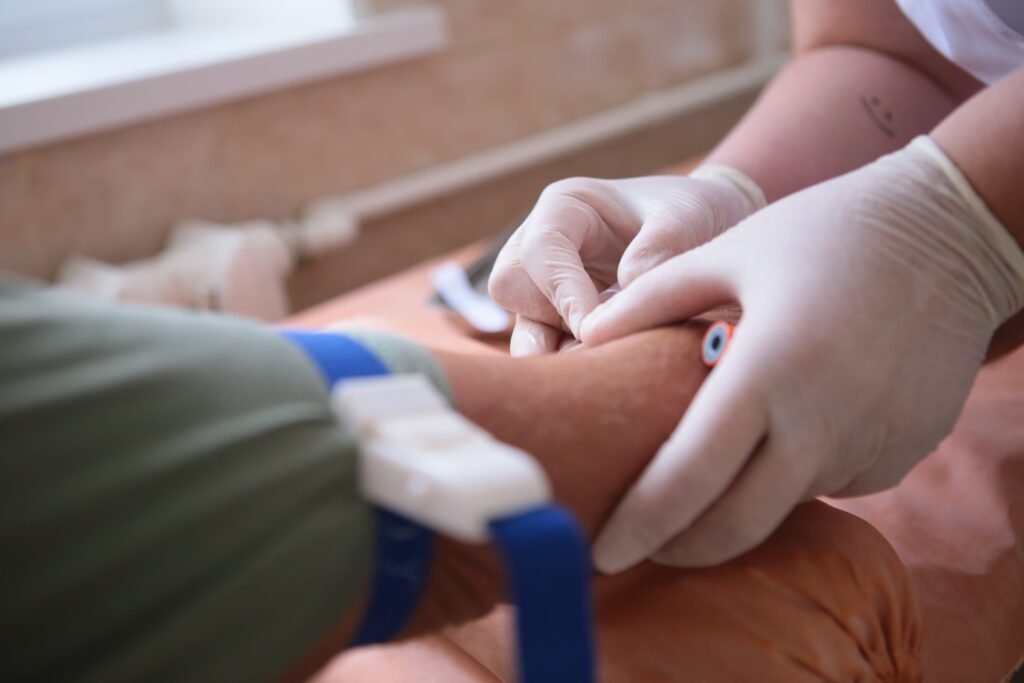
This breakthrough opens pathways previous research couldn’t reach. Earlier studies focused on cytokines and inflammatory molecules already causing joint damage—examining the fire, not the arsonists traveling to set it. The FAU team’s work shifts attention upstream, to circulating immune precursors detectable before joints swell and ache. Prof. Dr. Andreas Ramming, deputy head of the department, emphasized that identifying these cells in bloodwork could create an early warning system. Doctors could monitor psoriasis patients for rising cell counts and weakened fibroblast markers, intervening with targeted therapies before irreversible bone erosion begins.
Watch:
What This Means for Treatment Tomorrow
The pharmaceutical implications extend beyond detection. Current treatments for psoriatic arthritis largely address inflammation after joints already hurt, aiming to slow damage rather than prevent it. The new findings suggest two novel intervention points: blocking immune cell migration from skin to joints, or strengthening fibroblast defenses in vulnerable patients. JAK inhibitors, already used for various autoimmune conditions, show promise in related pathways—University of California Davis researchers documented in 2024 how these drugs curb synovial tissue overgrowth driven by similar immune signals. Combining migration blockers with fibroblast enhancers could theoretically stop psoriatic arthritis before it starts, transforming a progressive disease into a preventable complication.
The research team hasn’t announced clinical trials yet, but their publication in a top-tier immunology journal positions these findings for rapid translation. For patients watching their skin worsen and dreading joint involvement, this represents more than academic progress—it’s the difference between maintaining independence and facing disability. The National Psoriasis Foundation, which funds related research modeling skin-to-joint pathways, has long advocated for preventive approaches. With 125 million people worldwide carrying psoriatic disease, even modest prevention success rates could spare millions from painful, life-altering arthritis.
Your instant doctor companion – online 24 hours a day.
Sources:
Scientists uncover why psoriasis can turn into joint disease
Costimulatory Pathways: The Connection Between Skin and Joint
How psoriasis affects the joints: Inflammatory cells migrate from the skin to the synovial fluid
New research explains mechanisms behind psoriatic arthritis
Scientists Discover How Psoriasis Turns Into Painful Joint Disease