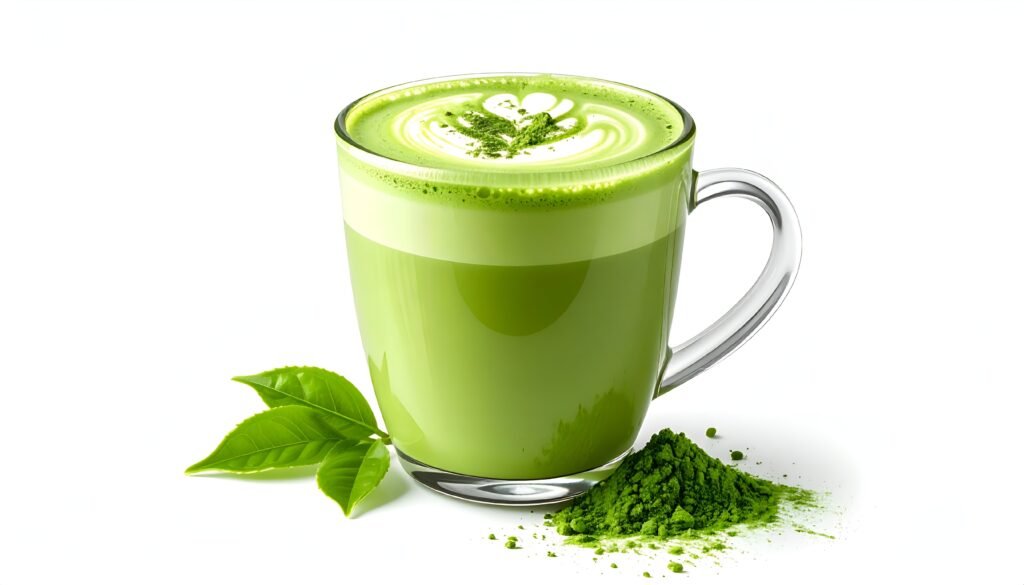
One small daily habit—drinking powdered green tea instead of steeped leaves—may explain why matcha keeps showing up in serious conversations about brain sharpness, heart risk, and healthier aging.
Story Snapshot
- Matcha’s key advantage comes from consuming the whole leaf as a powder, not just an infusion.
- Research coverage highlighted in April 2024 emphasized potential benefits for the brain, heart, and gut, especially for older adults.
- Catechins (including EGCG), caffeine, and L-theanine drive most of the measurable effects people care about.
- Cardiovascular findings often come from broader green tea research, so matcha-specific human trials remain limited.
- Added sugar and “dessert drinks” can erase the point of using matcha in the first place.
Why Matcha Acts Like a “Whole Food” Beverage, Not Just Tea
Matcha starts with a simple trick: growers shade the tea plants before harvest. That changes the plant’s chemistry, boosting compounds people associate with antioxidants and calming effects. Then the leaf becomes a fine powder, and you drink it—leaf and all. That matters because steeped green tea leaves behind a portion of its bioactives in the spent leaves. Matcha doesn’t.
The consumer takeaway is practical, not mystical: when you pick matcha, you’re choosing concentration. Some sources describe catechin levels as dramatically higher than many other green teas, which helps explain why matcha gets treated like a “functional beverage.” That label can be abused by marketers, but the basic mechanism—more of the leaf, more of the compounds—holds up as common sense.
Chat safely, anytime, with My Healthy Doc.
Antioxidants: The Boring Word With a Real-World Payoff
Catechins sound like chemistry homework until you connect them to something you can feel: aging isn’t just birthdays; it’s cumulative cellular wear. Antioxidant compounds help stabilize free radicals that can damage cells. Matcha’s catechins, including EGCG, sit at the center of its reputation. That doesn’t mean matcha is a magic shield. It means it’s one credible way to stack the deck in your favor.
Adults over 40 tend to appreciate interventions that don’t require a new identity, a new wardrobe, or a new worldview. A cup of matcha can be that kind of intervention—small, repeatable, and measurable. The catch is consistency. Most benefits discussed in mainstream medical and nutrition coverage assume regular use, not “three days of matcha because you bought a tin.”
Heart and Blood Vessels: Where the Evidence Feels Most Grounded
Cardiovascular support remains the most persuasive category because it aligns with long-running green tea research. Studies have associated green tea consumption with lower cardiovascular mortality risk, and catechins may help by reducing oxidative stress and inflammation—two drivers that show up repeatedly in heart disease discussions. Some reporting also points to improvements in blood lipid profiles, including lowering LDL and raising HDL.
Watch:
Get fast, reliable health advice from your AI doctor now.
Brain and Mood: The Caffeine-L-Theanine “Handshake”
Matcha’s popularity with knowledge workers isn’t just trendiness; it’s chemistry. Caffeine improves alertness, but it can also produce jitters, especially in people who’ve become more sensitive with age. L-theanine, an amino acid present in tea, is associated with calming effects. Together, they create the “focused but not frazzled” feeling many matcha drinkers describe, which helps explain the loyalty.
Coverage aimed at older adults has pointed to cognitive benefits, including improved focus and memory, and some research has linked matcha to cognitive health outcomes in older women. Mechanistic research on EGCG adds another layer, exploring its potential role in the brain’s oxidative stress pathways and other processes relevant to neurodegenerative disease. Translation to everyday guarantees still requires restraint.
Cancer Claims: Where Responsible People Slow Down
Matcha discussions often drift into cancer prevention. That’s where discipline matters. Lab and animal studies suggest EGCG can influence pathways tied to DNA damage, tumor growth, inflammation, and angiogenesis. Those signals are worth scientific attention, but they are not the same as proof in humans living normal lives, eating normal diets, and carrying normal risk factors. The evidence remains preliminary.
Matcha can be part of a health-forward routine, but people should treat “anti-cancer matcha” marketing like they treat “miracle investment opportunities”: assume exaggeration until proven otherwise.
Your instant doctor companion – online 24 hours a day.
Immune and Oral Health: The Underappreciated Angle
Matcha’s immune and oral-health story doesn’t get as many headlines, but it’s grounded in practical biology. Matcha contains nutrients tied to immune function, and EGCG has shown antibacterial and antiviral properties in laboratory settings. Oral health findings also show up in discussions: EGCG has demonstrated the ability to slow growth of bacteria involved in plaque, and matcha has been compared favorably for breath freshness.
For adults who’ve learned the hard way that dental problems become expensive problems, the oral-health angle deserves attention. It doesn’t mean you can drink matcha and skip the dentist. It means matcha fits cleanly into the “small daily behaviors” category that often separates people who age smoothly from people who spend their 50s and 60s putting out avoidable fires.
How to Drink It Without Turning It Into a Sugar Delivery System
The most effective “recipe” is also the least exciting: whisk matcha with hot (not boiling) water and drink it straight, one to two cups a day if your caffeine tolerance allows. People who hate bitterness can use a small amount of milk, but the real trap is sweeteners and flavored syrups. At that point, you’re not investing in health; you’re renting a wellness aesthetic.
Older adults should also think like grown-ups about caffeine. Matcha generally contains more caffeine than many teas but less than coffee, and individual sensitivity varies. Anyone with heart rhythm issues, anxiety, pregnancy concerns, or medication questions should treat matcha like any caffeinated product: discuss it with a clinician, then make a disciplined plan instead of improvising daily.
Matcha’s most compelling promise isn’t immortality; it’s leverage. A simple, repeatable drink can deliver concentrated plant compounds with plausible benefits for heart markers, mental performance, and daily resilience.
Sources:
Matcha: brain, heart, gut health
Health Benefits of Matcha
Matcha Health Benefits
7 Benefits of Matcha Tea
Matcha green tea: chemical composition, phenolic acids, minerals, and antioxidant activity
Matcha Tea Benefits