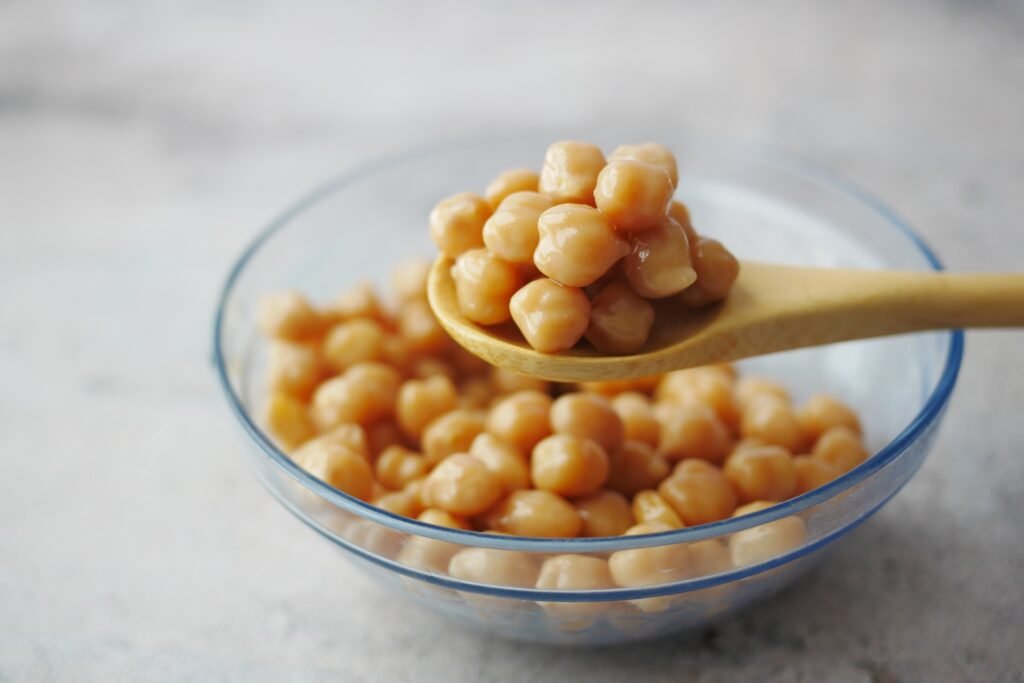
Chickpeas silently rebuild your gut microbiome, slashing inflammation and chronic disease risk with every humble handful.
Story Snapshot
- Chickpeas deliver prebiotic fiber like raffinose that feeds beneficial gut bacteria, boosting microbiome diversity.
- Half a cup provides 20g protein and 5g fiber, tackling constipation and stabilizing blood sugar by 36% post-meal.
- Ancient legume from the Middle East now backed by 2024 science showing anti-cancer and heart-protective effects.
- Affordable superfood reduces anti-nutrients through soaking or germination for optimal digestion.
Chickpeas’ Ancient Roots Fuel Modern Gut Science
Chickpeas originated in the Middle East 10,000 years ago. Farmers cultivated Cicer arietinum as a protein-rich staple in Mediterranean, Indian, and Middle Eastern diets. These legumes pack soluble fiber, protein, and resistant starch. A 2024 PubMed review confirms their prebiotic power produces short-chain fatty acids like butyrate. This compound strengthens intestinal walls and curbs inflammation. Post-2020 gut health trends amplified research, peaking with studies on raffinose fermentation for colon protection.
Fiber Mechanisms That Transform Digestion
Raffinose in chickpeas resists upper gut digestion. Gut bacteria ferment it, yielding SCFAs that nourish colon cells. This process enhances bowel regularity and microbiome diversity. Chickpeas supply over 25% daily fiber per 100g, combating IBS affecting 10-15% globally. Resistant starch slows carb absorption, yielding low glycemic index. Studies show chickpea meals suppress post-meal blood sugar 36% more than bread. Protein-fiber synergy promotes satiety, aiding weight control.
Meet My Healthy Doc – instant answers, anytime, anywhere.
Preparation Unlocks Maximum Bioavailability
Raw chickpeas contain anti-nutritional factors like lectins and phytates. Soaking overnight reduces these by 50%. Germination or roasting further boosts nutrient access. The 2024 review details how processing enhances prebiotic effects without losing fiber benefits. Canned versions retain most advantages but rinse to cut sodium. Registered dietitians recommend starting with hummus or salads. This practical step aligns common sense: simple prep maximizes an affordable food’s power against diet-related woes.
Start your health journey now.
Watch:
Expert Consensus on Broader Health Wins
Mayo Clinic reports 20g protein and 5g fiber per half cup. WebMD highlights raffinose for smoother digestion. BBC Good Food links chickpeas to immune-boosting bacteria balance. Healthline praises low-GI for fullness and cholesterol binding. Cleveland Clinic ties them to heart health via LDL reduction. A 2024 academic review adds anti-cancer potential through butyrate. Consensus holds: chickpeas lower IBS, diabetes, and heart risks. Human trials continue for precise dosing.
Diabetics, vegans, and budget-conscious families gain most. Chickpeas offer meat-like protein cheaply, supporting sustainable farming. Aligning with conservative values of self-reliance, they empower personal health without pricey supplements. Long-term, diverse microbiomes cut colon cancer odds via SCFAs. Functional food markets expand with chickpea pasta and flours.
Your instant doctor companion – online 24 hours a day.
Sources:
PubMed review on chickpeas’ gut health benefits (2024)
WebMD: Health Benefits of Chickpeas
BBC Good Food: Health Benefits of Chickpeas
Healthline: Chickpeas Nutrition and Benefits
Cleveland Clinic: Health Benefits of Chickpeas
Hartford Hospital: Fiber and Gut Health
Mayo Clinic Health System: Chickpeas for Healthy Eating