
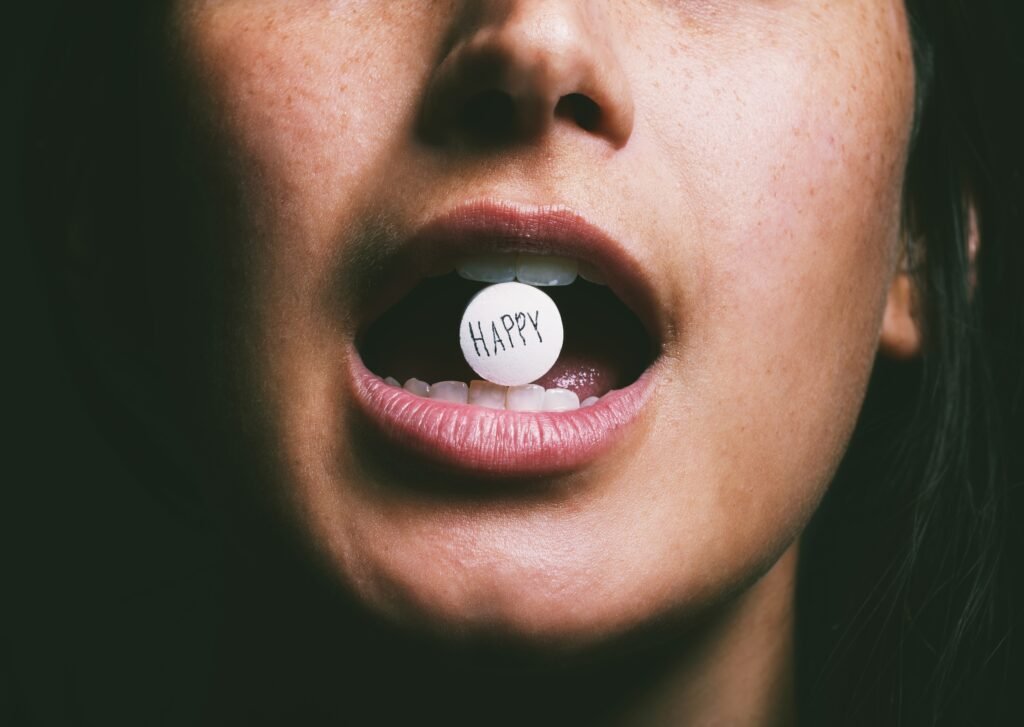
Not all antidepressants are created equal—some may quietly nudge your weight, blood pressure, or even your heart rate in ways you’d never expect.
Story Snapshot
- A sweeping new meta-analysis in The Lancet compared physical side effects across 30 common antidepressants in over 58,000 people.
- Some antidepressants, like tricyclics and certain SNRIs, significantly raise risks for weight gain, high blood pressure, and metabolic trouble.
- Doctors and patients now have clear, evidence-based guidance for matching the right drug to the right person.
- This study could transform how antidepressants are prescribed, monitored, and discussed between doctors and patients.
The Science Behind the Side Effects
The study, led by Pillinger and colleagues, pooled data from 151 randomized controlled trials, making it the largest and most rigorous comparison of antidepressant side effects to date. Researchers focused not just on mood, but on measurable changes in weight, blood pressure, heart rate, cholesterol, and glucose—factors that matter for long-term health, not just mental wellbeing. The results shattered the myth that all antidepressants carry similar physical risks. Tricyclics, for example, consistently increased weight and blood pressure, while certain SNRIs pushed up cholesterol and glucose. In contrast, newer agents like agomelatine and bupropion showed little to no metabolic disruption[1].
New episode from the "All Things Considered" Podcast: Anti-depressant side effects differ depending on the drug, study finds https://t.co/hTAyQgPjQr https://t.co/8TFXgWtXs9
October 22, 2025 at 04:05PM— Munshipremchand (@MunshiPremChnd) October 22, 2025
Why This Changes Everything for Prescribers and Patients
For decades, doctors have relied on psychiatric efficacy and tolerability when selecting antidepressants. Now, they have a detailed side effect “scorecard” to guide decisions. A patient with high blood pressure or a family history of diabetes might do better on agomelatine or bupropion, while someone without these risks could safely consider other options. This marks a shift toward precision prescribing—matching the drug not just to the mind, but to the body.
Patients, too, gain power. Armed with this information, they can ask informed questions and participate actively in treatment choices. The era of “one-size-fits-all” antidepressant therapy is ending, replaced by a more nuanced, individualized approach that respects both mental and physical health[1].
Watch:
What Happens Next?
Expect updated prescribing guidelines to reflect these new insights, with a stronger emphasis on monitoring weight, blood pressure, glucose, and cholesterol in patients on antidepressants. Healthcare systems may need to invest in better tracking and follow-up for these side effects, much as they do for other chronic medications.
For the pharmaceutical industry, the pressure is on to develop next-generation antidepressants with cleaner metabolic profiles. In the meantime, doctors and patients must navigate the current landscape with eyes wide open, balancing mental health gains against physical health risks.
This study is a wake-up call: treating depression is about more than lifting mood—it’s about safeguarding the whole person. The days of guessing about side effects are over. Now, patients and providers can choose with confidence, knowing exactly what each pill might do to the body, not just the mind.
Sources:
Science Media Centre, expert reaction to systematic review and network meta-analysis on physical side effects of antidepressants
NIHR, new study ranks physical side effects common antidepressants