
The health metric that kills more Americans than cancer gets checked less often than your oil change, yet it takes just 30 seconds to measure and could add decades to your life.
Story Highlights
- Blood pressure is the strongest predictor of cardiovascular risk across all ages
- Systolic pressure (top number) matters most, while diastolic adds value for those under 50
- New guidelines define hypertension at 130/80 or higher, not the old 140/90 standard
- Home monitoring with simple lifestyle changes can prevent organ damage before symptoms appear
The Silent Assassin in Your Arteries
Blood pressure earned its reputation as the “silent killer” because it destroys your body from the inside out without warning signs. While you obsess over step counts and sleep scores, your arteries might be under dangerous pressure that damages your kidneys, eyes, heart, and brain every single day. The systolic number—that top reading—predicts your risk of heart attack and stroke better than any other single measurement doctors can take.
Why Most People Get Blood Pressure Monitoring Wrong
Americans treat blood pressure monitoring like an annual chore, getting it checked only during doctor visits while tracking meaningless metrics daily. Normal readings sit below 120/80 mm Hg, but the new medical guidelines moved the hypertension threshold down to 130/80 from the previous 140/90. This shift reflects mounting evidence that tighter blood pressure control saves lives and prevents the gradual organ damage that leads to kidney failure, vision loss, and cognitive decline.
The Technology Revolution Makes Tracking Effortless
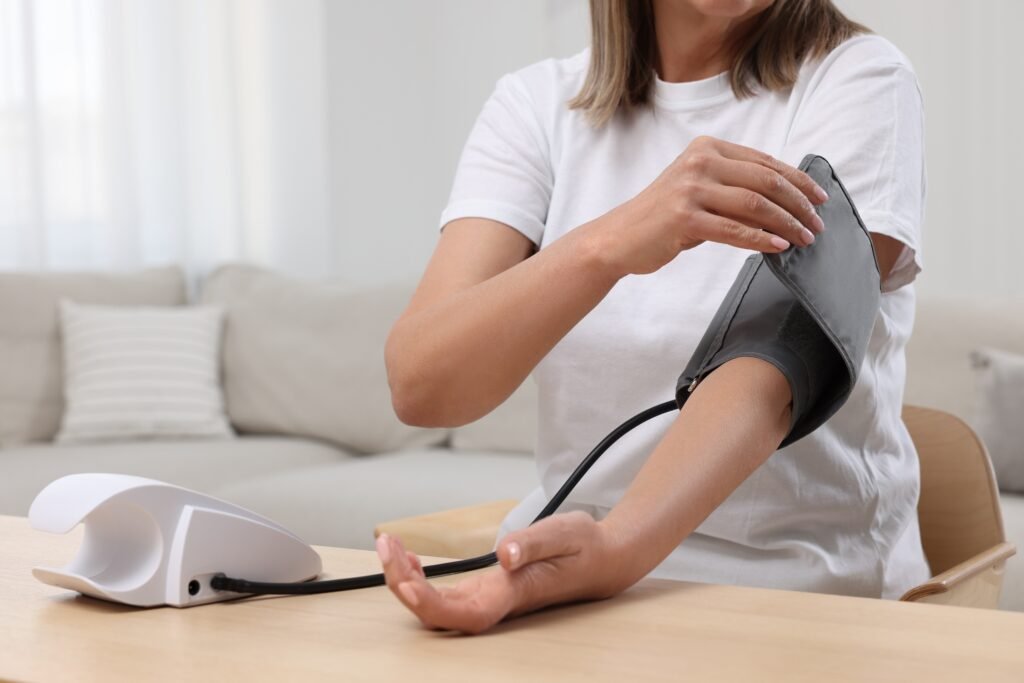
Home blood pressure monitors now deliver hospital-grade accuracy for under fifty dollars, while smartphone apps can track patterns and send alerts when readings spike. The diastolic pressure—that bottom number—provides crucial information for people under 50, when the heart’s resting phase reveals early cardiovascular stress. Regular monitoring catches dangerous trends before they become medical emergencies, giving you months or years to make corrections through lifestyle changes.
Watch:
Simple Changes That Deliver Dramatic Results
Low-sodium diets can drop blood pressure by 10-15 points within weeks, while regular exercise and weight management provide additional reductions of 5-10 points each. Stress reduction through meditation, adequate sleep, or even brief daily walks helps regulate the hormonal surges that spike blood pressure throughout the day. These interventions work better than most medications when implemented consistently, without the side effects or ongoing costs of prescription drugs.
Got a health question? Ask our AI doctor instantly, it’s free.
Sources:
https://www.menshealth.com/health/a69839669/blood-pressure-most-important-metric-to-track/