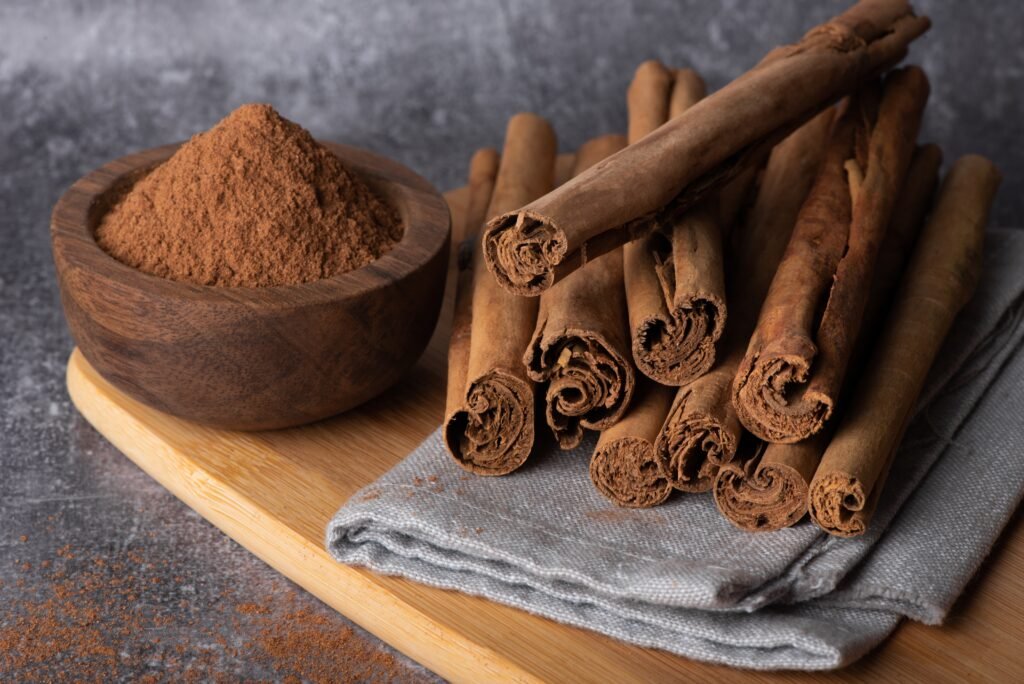
A humble kitchen spice sitting in your pantry right now might hold the key to better blood sugar control.
Story Overview
- Cinnamon supplementation shows modest reductions in fasting blood glucose in multiple clinical trials
- Effects on long-term diabetes markers like HbA1c remain inconsistent across studies
- Prediabetes patients may see greater benefits than those with established type 2 diabetes
- Safety concerns exist with high-dose cassia cinnamon due to liver-toxic coumarin content
- Major medical institutions maintain cautious stance despite promising preliminary research
The Breakthrough That Started Everything
In 2003, Pakistani researchers published a groundbreaking study that would launch thousands of health articles and spawn an entire supplement category. Sixty people with type 2 diabetes took one to six grams of cinnamon powder daily for 40 days. The results stunned the medical community: fasting glucose dropped 18 to 29 percent, and cholesterol levels improved dramatically. This single trial became the foundation for nearly every “cinnamon miracle” story that followed.
The timing couldn’t have been better. As diabetes rates soared globally and patients sought affordable alternatives to expensive medications, here was a common spice that promised real metabolic benefits. The USDA Agricultural Research Service jumped on board, suggesting that just half a teaspoon daily might improve blood sugar and lipids in some individuals.
The Science Behind the Spice
Cinnamon’s blood sugar benefits aren’t just folklore dressed up as science. Laboratory research reveals legitimate biological mechanisms at work. The spice contains polyphenols and hydroxycinnamic acids that appear to mimic insulin’s action in the body. These compounds increase insulin receptor activity, boost glucose transporter expression, and activate metabolic pathways that help cells absorb sugar more efficiently.
Animal studies strengthened the case further. Diabetic rats fed cinnamon extracts showed improved glucose tolerance and prevention of insulin resistance. The mechanistic evidence painted a compelling picture: cinnamon wasn’t just correlating with better blood sugar, it was actively participating in glucose metabolism through well-understood cellular pathways.
Watch:
Got a health question? Ask our AI doctor instantly, it’s free.
When Promise Meets Reality
Then came the sobering follow-up studies. While researchers consistently found modest improvements in fasting blood glucose, the gold standard measurement for diabetes control told a different story. HbA1c levels, which reflect average blood sugar over three months, showed little to no improvement in most trials. This disconnect between short-term glucose readings and long-term control raised serious questions about cinnamon’s practical significance.
A 2013 comprehensive analysis of ten randomized controlled trials involving 543 participants confirmed the pattern. Cinnamon lowered fasting glucose by about 25 milligrams per deciliter and improved cholesterol profiles, but failed to meaningfully impact HbA1c. The researchers noted high variability between studies, making it impossible to determine optimal dosing or identify who might benefit most.
The Prediabetes Game Changer
Just when cinnamon’s star appeared to be fading, 2020 brought renewed hope. A carefully designed study focused on 54 adults with prediabetes, that crucial stage before full diabetes develops. Participants took 500 milligrams of cinnamon three times daily for twelve weeks. This time, the results were more encouraging across multiple measures.
Not only did fasting glucose improve, but participants showed better glucose tolerance during oral glucose challenge tests. Their bodies handled sugar loads more effectively, suggesting genuine improvements in metabolic function. The safety profile remained favorable, with no serious adverse events linked to cinnamon supplementation. This study reignited interest in cinnamon as a preventive tool rather than just a treatment for established diabetes.
Meet My Healthy Doc – instant answers, anytime, anywhere.
The Medical Establishment’s Cautious Response
Despite decades of research and generally positive findings, major medical institutions remain notably reserved about recommending cinnamon. The Mayo Clinic’s patient guidance exemplifies this cautious approach, stating that despite many studies, it’s unclear whether cinnamon actually helps lower blood sugar in diabetics. Their concern extends beyond efficacy to safety, particularly regarding liver toxicity from high doses of cassia cinnamon. Medical authorities prioritize evidence for hard clinical outcomes, not just biomarker improvements.
Sources:
Cinnamon and Health
Cinnamon Improves Insulin Sensitivity and Alters the Body Composition in an Animal Model of the Metabolic Syndrome
The Effect of Cinnamon on Glucose of Type 1 and Type 2 Diabetes Patients: A Meta-Analysis
Cinnamon Improves Glucose and Lipids of People With Type 2 Diabetes
Ceylon Cinnamon Does Not Affect Postprandial Plasma Glucose or Insulin in Subjects with Impaired Glucose Tolerance
Diabetes treatment: Can cinnamon lower blood sugar?
Cinnamon Health Benefits Research
Cinnamon and Benefits for Diabetes