
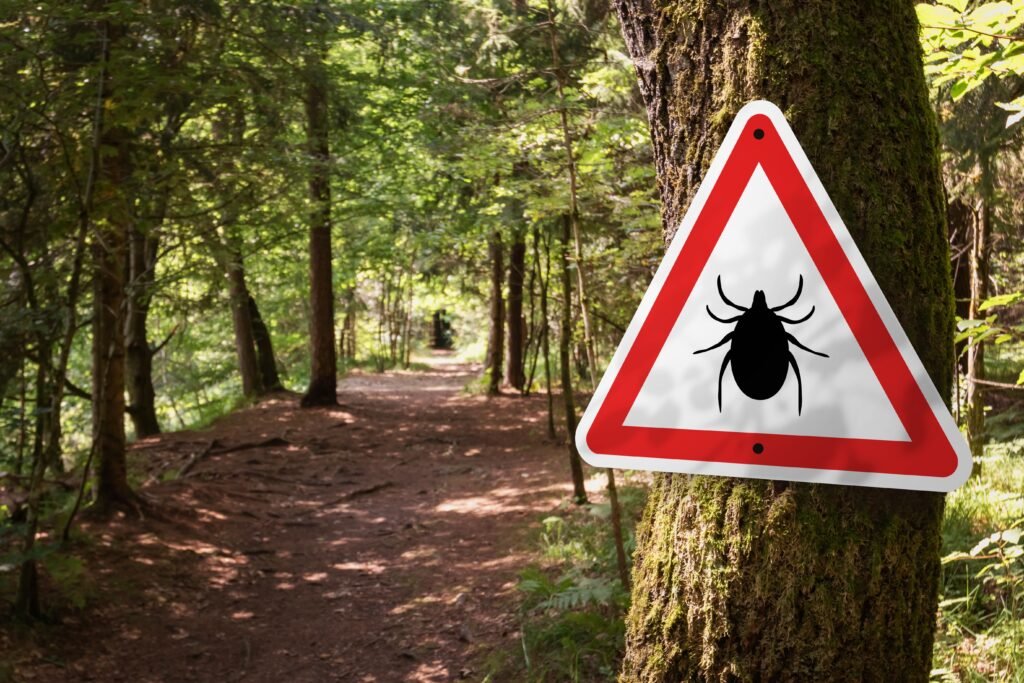
A tiny tick bite transformed a hamburger into a death sentence for a New Jersey man, marking the first documented fatality from a meat allergy.
Story Overview
- A 47-year-old New Jersey man became the first confirmed death from alpha-gal syndrome, a red meat allergy caused by tick bites
- The man died after eating a hamburger at a barbecue, two weeks after becoming severely ill from eating steak
- Alpha-gal syndrome was discovered in 2007 but never previously linked to fatal outcomes
- The case highlights dangerous gaps in tick bite identification and allergy diagnosis
When Nature’s Tiniest Predator Rewrites Medical History
The camping trip seemed ordinary enough for the 47-year-old New Jersey resident during summer 2024. Multiple tiny bites dotted his skin, dismissed as harmless chigger encounters. What he couldn’t know was that those microscopic attackers had just sentenced him to death by dinner. The lone star tick larvae had delivered alpha-gal, a sugar molecule that would transform his immune system into a weapon against his favorite foods.
Alpha-gal syndrome operates like a biological time bomb. The tick’s saliva introduces alpha-gal into the bloodstream, where the immune system mistakenly identifies this naturally occurring sugar in mammalian meat as a deadly invader. Unlike typical food allergies that strike within minutes, alpha-gal reactions delay their assault for three to six hours after eating beef, pork, or lamb, making diagnosis a medical detective story.
Watch:
The Fatal Misidentification That Changed Everything
Dr. Thomas Platts-Mills, the University of Virginia allergist who first identified alpha-gal syndrome in 2007, never expected to investigate a death. For seventeen years, the condition had caused severe reactions but remained classified as non-fatal. The New Jersey case shattered that assumption when post-mortem blood analysis revealed tryptase levels that defied previous understanding of allergic reactions.
The victim’s family faced an agonizing mystery when the initial autopsy proved inconclusive. Two weeks after his camping trip, the man attended a barbecue where he consumed a hamburger. Hours later, he was found dead. Only Dr. Platts-Mills’ meticulous analysis of blood samples and autopsy reports revealed the true killer hiding in plain sight.
A red meat allergy caused by ticks killed a N.J. man. Here's what to know – Researchers say they believe they've documented the first known death from alpha-gal syndrome — a red meat allergy caused by tick bites. via NPR https://t.co/azPJQ5azqJ
— 🌊💙 Viking Resistance 💙🌊 (@BlueCrewViking) November 15, 2025
The Deadly Pattern Hidden in Summer Activities
The sequence of events reads like a medical thriller. First exposure came through what appeared to be routine chigger bites during outdoor activities. The man’s immune system quietly began manufacturing antibodies against alpha-gal, preparing for a future battle he never saw coming. When he consumed steak shortly after the camping trip, his body launched a violent three-hour assault that left him severely ill but alive.
Two weeks later, the hamburger triggered the final, fatal reaction. His sensitized immune system had reached a tipping point where mammalian meat became as dangerous as any poison. The delayed reaction time meant he likely never connected his deteriorating condition to his dinner choice, robbing him of the chance to seek emergency medical intervention.
Why This Changes Everything We Know About Tick Safety
This case exposes critical flaws in how Americans understand tick-borne threats. Alpha-gal syndrome represents an entirely different category of threat, one that permanently alters how the body processes food and lacks any cure or reversal treatment.
Unlike other tick-borne diseases that require adult tick attachment for 24-48 hours, alpha-gal sensitization can occur through brief contact with larvae, making prevention exponentially more challenging.
Sources:
New Jersey man’s death first one to be tied to tick-related meat allergy
CBS News: Meat allergy ticks New Jersey death
NJ man becomes first reported to die of alpha-gal meat allergy