
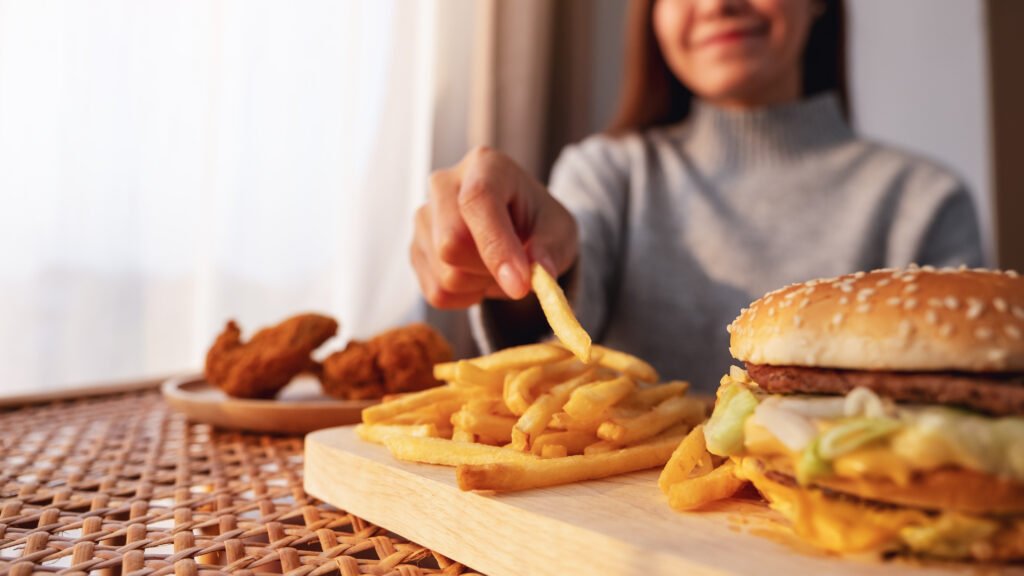
The most dangerous part of ultra-processed food isn’t the occasional snack—it’s how quietly it became most of the American diet.
Quick Take
- Florida Atlantic University researchers analyzed NHANES data from 4,787 U.S. adults to examine ultra-processed food intake and cardiovascular outcomes.
- Adults with the highest intake of ultra-processed foods showed a 47% higher risk of heart attack or stroke compared with the lowest-intake group, even after key adjustments.
- Ultra-processed foods now make up nearly 60% of adults’ diets, a scale that turns “personal choice” into a public-health math problem.
- Researchers link heavy ultra-processed intake to metabolic syndrome and inflammation—two common roads to heart trouble.
- The study’s bottom line mirrors tobacco-era thinking: reducing exposure beats pretending willpower alone can compete with an engineered food environment.
What the Florida Atlantic University Analysis Actually Found
Florida Atlantic University researchers used NHANES, a large U.S. health and nutrition dataset, to evaluate 4,787 adults and compare outcomes across different levels of ultra-processed food intake. The standout figure was blunt: the highest-intake group had a 47% higher risk of heart attack or stroke than the lowest-intake group. The analysis adjusted for age, sex, race, smoking, and income, aiming to reduce the “it’s just lifestyle” excuse.
The 47% number grabs attention, but the context matters even more. The study didn’t focus on a rare diet fringe; it dealt with ordinary American eating patterns. Ultra-processed foods—sodas, packaged snacks, processed meats, and similar products—aren’t just “processed” in the home-kitchen sense. They’re industrial formulations designed for shelf life, hyper-palatability, and convenience, which helps explain how they climbed to nearly 60% of adult diets.
Ultra-processed foods linked to 47% higher risk of heart attack and stroke https://t.co/Ieo5rx8E0b
— Zicutake USA Comment (@Zicutake) February 11, 2026
Ultra-Processed Food: The “Normal” Diet That Didn’t Feel Like a Decision
When nearly 60% of adult calories come from ultra-processed foods, the debate shifts from individual discipline to environmental reality. People aren’t failing at a simple choice between an apple and a donut; they’re navigating workplaces, schools, and commutes built around vending machines, drive-thrus, and packaged “grab-and-go.” That matters to readers with common sense: a system that makes the unhealthy option easiest will produce unhealthy outcomes, even among responsible adults.
Ultra-processed foods often concentrate refined starches, added sugars, industrial fats, sodium, and additives while stripping away fiber and naturally occurring nutrients. That combination tends to push overeating without signaling fullness, and it often displaces straightforward proteins, fruits, vegetables, and minimally processed staples. The end result isn’t just weight gain; it’s the metabolic clutter that sets the stage for cardiovascular disease, especially when the pattern repeats daily for years.
Meet My Healthy Doc – instant answers, anytime, anywhere.
Metabolic Syndrome and Inflammation: The Two Quiet Engines Behind the Risk
The research summary points to metabolic syndrome and inflammation as key links between ultra-processed intake and heart problems. Metabolic syndrome is a cluster of issues—blood sugar trouble, higher blood pressure, unhealthy cholesterol patterns, and abdominal weight—that often travel together. That cluster doesn’t always feel dramatic until it suddenly does. A heart attack or stroke can look “out of nowhere,” when it’s actually the final chapter of a long, quiet progression.
Inflammation adds another layer, because cardiovascular damage isn’t only about clogged pipes; it’s also about irritated, compromised vessel walls and the body’s chronic stress response. Diet patterns heavy in ultra-processed foods can keep the body in a low-grade inflammatory state, nudging risk higher over time. Many Americans already juggle stress, poor sleep, and inactivity. Adding a diet dominated by engineered foods stacks the deck against the heart. Get fast, reliable health advice from your AI doctor now.
Watch:
Why the “Adjusted For Smoking and Income” Detail Changes the Conversation
The analysis adjusted for smoking and income—two variables that often explain away health differences in lazy arguments. That doesn’t prove ultra-processed foods alone “cause” every heart event, but it strengthens the case that UPF-heavy eating patterns carry independent risk beyond obvious confounders. Conservative values favor personal responsibility, but responsibility works best with honest information. If risk stays elevated after major adjustments, dismissing it as mere coincidence stops looking serious.
Ultra-processed products are cheap per calorie, aggressively marketed, and built for repeat purchase. That’s not a moral judgment; it’s business. The public-health question is whether the country treats this like a private habit or like an exposure problem—closer to tobacco logic, where the goal is reducing population-level harm through awareness, policy, and better default options.
What Reducing Ultra-Processed Foods Looks Like in Real Life, Not Fantasy
Reducing ultra-processed foods doesn’t require a gourmet kitchen or a radical identity shift. It means lowering the share of daily calories that come from sodas, packaged snacks, and processed meats, and raising the share from simpler foods with recognizable ingredients. Readers over 40 often succeed with “default swaps”: water or unsweetened drinks instead of soda, plain yogurt instead of dessert-flavored cups, eggs or leftover meat instead of boxed breakfast items.
The public-health framing matters because the numbers are too big for wishful thinking. When ultra-processed foods dominate the food environment, individual effort should be supported by clearer labeling, smarter institutional menus, and cultural permission to eat “boring” real food again. The study’s 47% figure is a warning light, not a sermon. The real takeaway is simpler: if the default American diet is engineered, the default health outcomes won’t stay accidental. Chat safely, anytime, with My Healthy Doc.
Sources:
https://www.tampabay.com/news/health/2026/02/09/how-bad-is-junk-food-your-heart-new-florida-study-has-an-answer/
https://www.sciencedaily.com/releases/2026/02/260210040602.htm