Swapping red meat for nuts and legumes in your protein routine could slash your heart disease risk by 27% without ditching steak entirely.
Story Highlights
- Harvard study of 203,000 people over 30 years shows plant-to-animal protein ratio of 1:2 cuts CVD risk 19%, 1:1.3 slashes CHD 27%.
- Benefits grow with higher total protein; replace red/processed meats with nuts/legumes for fiber, antioxidants, healthy fats.
- U.S. average ratio 1:3; simple shifts target lipids, blood pressure, inflammation amid CVD killing 1 in 4 Americans.
- Recent AHA data: 20g daily minimally processed plant protein drops hypertension risk 16%.
- Consensus favors whole plants over processed; historical trials like DASH confirm blood pressure drops.
Harvard Study Reveals Protein Ratio Thresholds
Harvard T.H. Chan School of Public Health researchers analyzed 30 years of data from Nurses’ Health Studies I/II and Health Professionals’ Follow-up Study. Lead author Andrea Glenn tracked 203,000 participants, observing 16,118 CVD cases. Shifting plant-to-animal protein ratio to at least 1:2 reduced CVD risk by 19%. Ratio of 1:1.3 lowered CHD risk by 27%. Greater total protein intake amplified these gains. Reductions plateaued at these thresholds, emphasizing precise swaps over total overhaul.
Mechanisms Behind Plant Protein Advantages
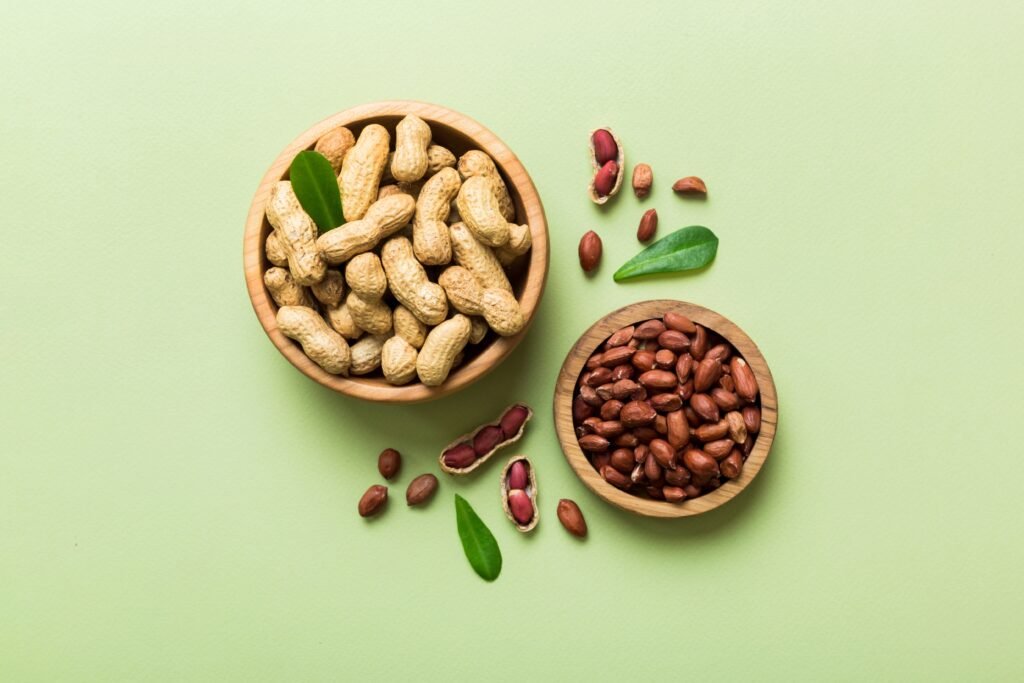
Nuts and legumes deliver fiber, antioxidants, and healthy fats that improve lipids, blood pressure, and inflammation. Replacing red and processed meats drives these changes. U.S. diets average 1:3 plant-to-animal ratio, leaving room for upgrades. Study highlights synergy: higher overall protein with favorable ratio maximizes protection. No stroke risk reduction appeared, focusing benefits on CVD and CHD.
Historical Precedents Confirm Patterns
Studies from the 1970s linked higher plant protein to lower blood pressure and cholesterol, despite lifestyle confounders. FDA approved 1999 soy protein claim for 25g daily reducing heart risk in low-fat diets. DASH trials cut pressure 2.7–5.5 mm Hg via plant boosts. Portfolio Diet combined soy, sterols, fiber, almonds for LDL drops. The Ornish diet dropped cholesterol 20.5%, angina 91% with plant emphasis. BOLD+ trials noted total protein often trumps source.
These precedents align with Harvard findings, grounding ratio shifts in decades of evidence. Common sense favors accessible nuts and legumes over extremes, preserving balanced American diets.
Watch:
Stakeholders Shape Public Guidance
Andrea Glenn, now NYU assistant professor, led the Harvard effort published in American Journal of Clinical Nutrition. AHA funds research, sets guidelines favoring legumes, nuts, fish. Heart Foundation prioritizes tofu, nuts for fiber and fats. Abbott Nutrition promotes plant vitamins, polyphenols against inflammation. Academics provide data authority; AHA wields policy influence. Industry amplifies but risks processed plant bias. Researchers like Glenn establish an evidence base.
Recent Developments Reinforce Consensus
May 2025 AHA research found 20g daily beans, nuts, lentils cut hypertension 16%, plateauing at 30g. Processing in varied sources may elevate risks. January 2025 review reaffirmed plant proportion slashes CVD. Glenn stated the 1:2 ratio proves much more effective. AHA urges whole plants. No major contradictions; BOLD+ nuances total protein priority. Longitudinal data from 203,000 remains the strongest evidence.
Impacts Span Health and Economics
Short-term ratio shifts lower CVD 19–28%, CHD 27–36%, hypertension 16%. Long-term polyphenols, fiber curb chronic disease, targeting U.S. CVD deaths. High meat-eaters and patients gain most; benefits cap at thresholds. Healthcare costs drop; affordable beans, nuts promote social access. Politics sees FDA, AHA guideline shifts. Plant markets grow, cautioning processed options while bolstering DASH, Portfolio patterns.
Sources:
Higher ratio of plant protein to animal protein may improve heart health
Plant-based protein for a healthy heart
Protein and heart health
Plant-based proteins may help lower high blood pressure risk
PMC review on plant proteins
Is plant-based protein for you? Here’s what you need to know
Increasing plant-based protein intake reduces the risk of cardiovascular disease