
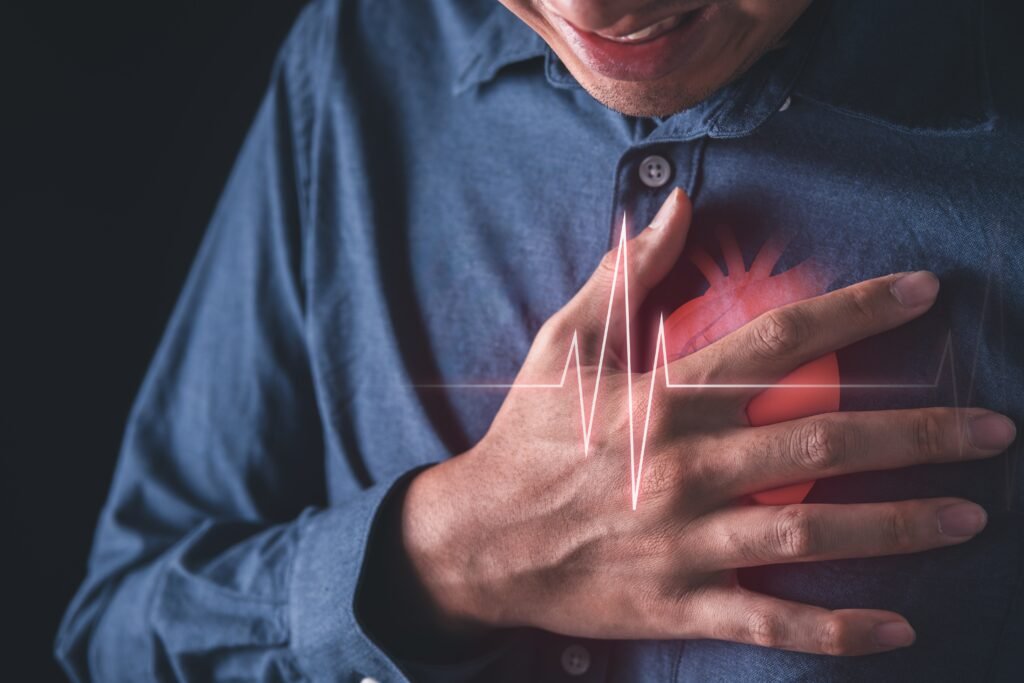
Heart attack recovery extends far beyond the emergency room doors, demanding a complete lifestyle transformation that many survivors discover is more challenging than the cardiac event itself.
Story Overview
- 805,000 Americans suffer heart attacks annually, beginning a complex recovery journey
- Physical rehabilitation requires months of careful monitoring and gradual activity increases
- Emotional recovery often involves depression, anxiety, and fear of recurrence
- Lifestyle changes become permanent requirements, not temporary adjustments
- Support systems prove crucial for successful long-term recovery outcomes
The First Critical Weeks
The initial recovery phase following a heart attack involves careful monitoring as the heart muscle begins healing. Patients typically spend several days in the hospital while medical teams assess damage and establish treatment protocols. During this period, many survivors experience a mix of relief at having survived and overwhelming anxiety about their future health prospects.
Discharge from the hospital marks the beginning of real recovery work. Patients receive detailed instructions about medication schedules, activity restrictions, and warning signs that require immediate medical attention. The transition from hospital care to home recovery often feels daunting, as survivors must navigate new medications while managing physical limitations and emotional concerns.
Physical Rehabilitation Challenges
Cardiac rehabilitation becomes the cornerstone of physical recovery, typically beginning within weeks of the heart attack. These structured programs combine supervised exercise, education about heart-healthy living, and counseling to reduce stress. However, many patients find the gradual pace of improvement frustrating, especially when simple activities like climbing stairs leave them breathless.
The body’s healing process varies significantly among survivors. Some regain strength relatively quickly, while others face months of fatigue and reduced stamina. Medical professionals emphasize patience during this phase, as pushing too hard can potentially trigger another cardiac event. Regular follow-up appointments become essential for monitoring progress and adjusting treatment plans. Start your free health check, no signup needed.
Watch:
Emotional and Mental Health Impact
Depression affects up to 20% of heart attack survivors, yet this aspect of recovery often receives less attention than physical symptoms. The sudden awareness of mortality, combined with lifestyle restrictions, can trigger profound emotional responses. Many survivors report feeling vulnerable and fearful about engaging in activities they previously enjoyed without concern.
Anxiety about experiencing another heart attack becomes a constant companion for many patients. This fear can paradoxically impact recovery by causing survivors to avoid beneficial physical activity or become hypervigilant about normal bodily sensations. Mental health support through counseling or support groups often proves as important as cardiac rehabilitation for achieving optimal recovery outcomes. Start your mental health conversation safely.
Lifestyle Transformation Requirements
Recovery demands permanent changes to diet, exercise habits, stress management, and often career priorities. Survivors must learn to read nutrition labels carefully, plan heart-healthy meals, and resist foods they previously enjoyed. These dietary modifications extend beyond individual choices, affecting family meals and social dining situations that once brought pleasure.
Career considerations frequently arise during recovery, particularly for individuals in high-stress professions or physically demanding jobs. Some survivors discover they must change career paths entirely, while others negotiate reduced responsibilities or modified work environments. These professional adjustments can create additional stress during an already challenging recovery period, potentially impacting family finances and personal identity. Start your health journey in under a minute.
Sources:
https://cminj.com/life-after-a-heart-attack/
https://www.everydayhealth.com/heart-attack/symptoms/life-after-heart-attack-people-share-their-recovery-journey/