
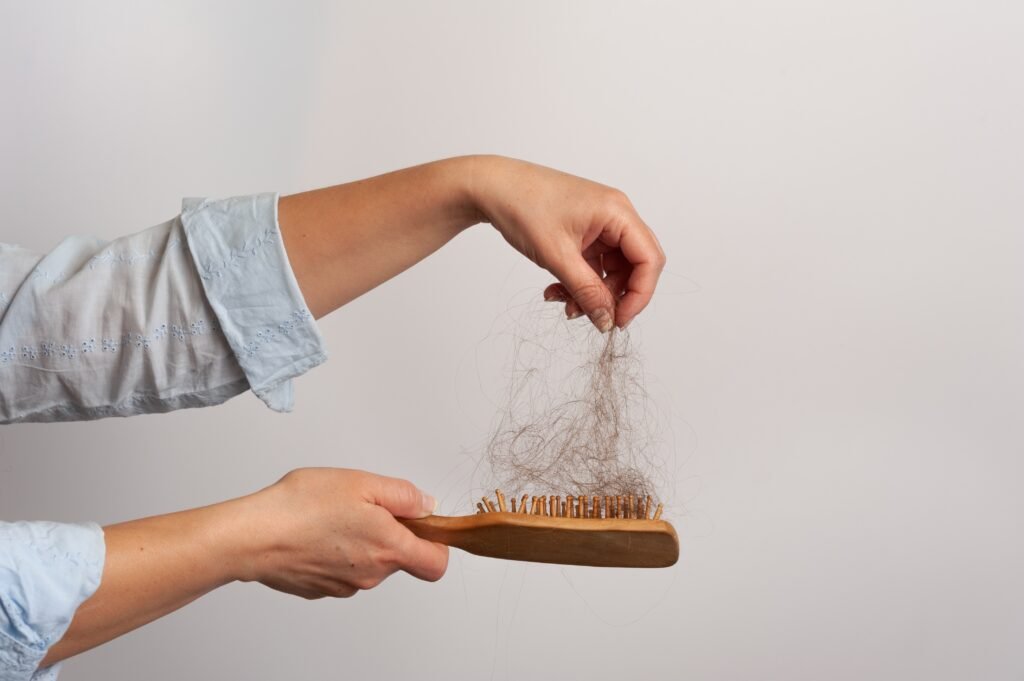
Hair loss is not one story about aging and vanity; it is a quiet medical crossroads where genetics, autoimmunity, stress, and scarring all fight over the future of your scalp.
Story Snapshot
- Alopecia is a family of very different hair-loss disorders, not a single diagnosis.
- The key fork in the road is scarring vs. nonscarring hair loss, which determines whether regrowth is possible.
- Early evaluation can prevent permanent bald patches that no lotion can reverse.
- Modern treatments now range from drugstore foams to JAK inhibitors, plus realistic cosmetic and coping strategies.
Why the Word “Alopecia” Hides More Than It Reveals
Doctors use the word alopecia for one simple idea: hair is missing from where hair is supposed to be. That single word, however, covers everything from predictable male‑pattern thinning to aggressive autoimmune attacks that strip eyebrows and lashes. Some forms quietly miniaturize follicles over decades; others burn them out and replace them with scar tissue in months. Patients hear “alopecia” and think, “bald”; the smarter response is, “Which type, how fast, and can it grow back?”
Clinicians first sort alopecia into nonscarring and scarring. In nonscarring types, follicles stay structurally intact, so hair often regrows if triggers are treated. In scarring (cicatricial) alopecias, inflammation destroys follicles and leaves permanent bald skin unless treatment starts early. That single classification shapes everything: urgency, tests, medications, and expectations.
The Major Types: From Pattern Baldness to Autoimmune Attack
Androgenetic alopecia, the classic “pattern” baldness, dominates the landscape for both men and women. Hormone‑sensitive, genetically primed follicles gradually shrink, producing finer, shorter hairs and characteristic thinning on the crown, temples, or central scalp. Many dermatologists describe it as a normal variant of aging, not a moral failing or a sign of poor health. That framing matters: you cannot out‑supplement your genes, but you can choose realistic, evidence‑based strategies.
Alopecia areata tells a different story. Here the immune system misidentifies hair follicles as enemies and launches T‑cell attacks, creating sharply demarcated bald patches or, in severe cases, complete loss of scalp or body hair. Shedding may appear overnight after months of apparent health. Some people spontaneously regrow hair; others cycle through relapses for years. This is where modern drugs like JAK inhibitors step in, not as vanity aids, but as targeted autoimmune therapies aligned with the same logic used in other immune‑driven diseases.
Stress Shedding, Traction Damage, and Chemotherapy Loss
Telogen effluvium occupies the gray zone that frightens people but often ends well. After a major stressor—surgery, childbirth, high fever, crash dieting, emotional trauma—many follicles abruptly shift from growth into resting phase. Months later, diffuse shedding floods the shower drain, just when the crisis feels “over.” Once thyroid problems, iron deficiency, or medications are addressed, shedding usually settles and hair volume improves. The conservative, fact‑driven approach is to fix the cause, not chase miracle shampoos.
Anagen effluvium, by contrast, hits fast because it targets hair in its growth phase, classically during chemotherapy or radiation. Here, patients know the culprit. The priority becomes support, scalp cooling when appropriate, and reassurance that regrowth is expected once treatment stops. Traction alopecia sits at the intersection of personal choice and biology: years of tight braids, weaves, or ponytails gradually thin the hairline. If tension continues, follicles scar and stop producing hair.
Meet My Healthy Doc – instant answers, anytime, anywhere.
Diagnosis: When to Worry and Whom to See
Any new bald patch, rapidly expanding thinning, or symptoms like burning and tenderness on the scalp warrants a dermatologist’s assessment. A careful history looks at timing, patterns, recent illness, medications, hormones, nutrition, and hair practices. Physical exam and sometimes trichoscopy help distinguish scarring from nonscarring loss. Blood tests target likely culprits—thyroid disease, iron deficiency, autoimmune markers—rather than shotgun panels that inflate costs without added clarity.
Biopsy enters the picture when scarring alopecia is suspected or when the pattern defies simple labels. Early, accurate diagnosis respects both the patient’s wallet and their long‑term outcome. Delayed care, especially in scarring conditions like lichen planopilaris or central centrifugal cicatricial alopecia, trades potentially salvageable follicles for irreversible smooth skin.
Watch:
Got a health question? Ask our AI doctor instantly, it’s free.
Treatment Paths, Expectations, and Coping Wisely
Treatment for androgenetic alopecia typically starts with minoxidil to stimulate growth and, in appropriate patients, finasteride or dutasteride to blunt androgen effects. Some pursue low‑level laser therapy, platelet‑rich plasma, or hair transplantation, each with varying evidence and cost. For alopecia areata, dermatologists may use topical or injected steroids, topical immunotherapy in specialty centers, and systemic agents, including newer JAK inhibitors for extensive disease.
Where follicles are gone, wigs, hairpieces, scalp micropigmentation, and cosmetic tattooing offer practical solutions. Psychological counseling and peer support groups help people reclaim identity and confidence, treating dignity as seriously as biology.
Your instant doctor companion – online 24 hours a day.
Sources:
Alopecia Types, Causes and Treatment Options – Texas Dermatology
Hair Loss (Alopecia) – Penn Medicine
Alopecia – StatPearls (NCBI Bookshelf)
Alopecia: Types, Causes, Symptoms, and Treatment – Healthline
Alopecia – American Skin Association
Alopecia Areata – Cleveland Clinic
About Alopecia Areata – National Alopecia Areata Foundation
Alopecia – Osmosis
Types of Alopecia – Alopecia UK