Clinical trials reveal medicinal mushrooms may enhance cancer treatment outcomes, but the evidence comes with critical caveats that could mean the difference between hope and harm.
Story Overview
- Reishi and other medicinal mushrooms show promise in clinical trials as complementary cancer therapies
- Benefits primarily target immune function and symptom relief rather than direct tumor destruction
- Evidence remains limited with mixed results on survival rates and tumor shrinkage
- Medical supervision essential to avoid dangerous interactions with standard cancer treatments
The Mushroom Medicine Movement Gains Scientific Credibility
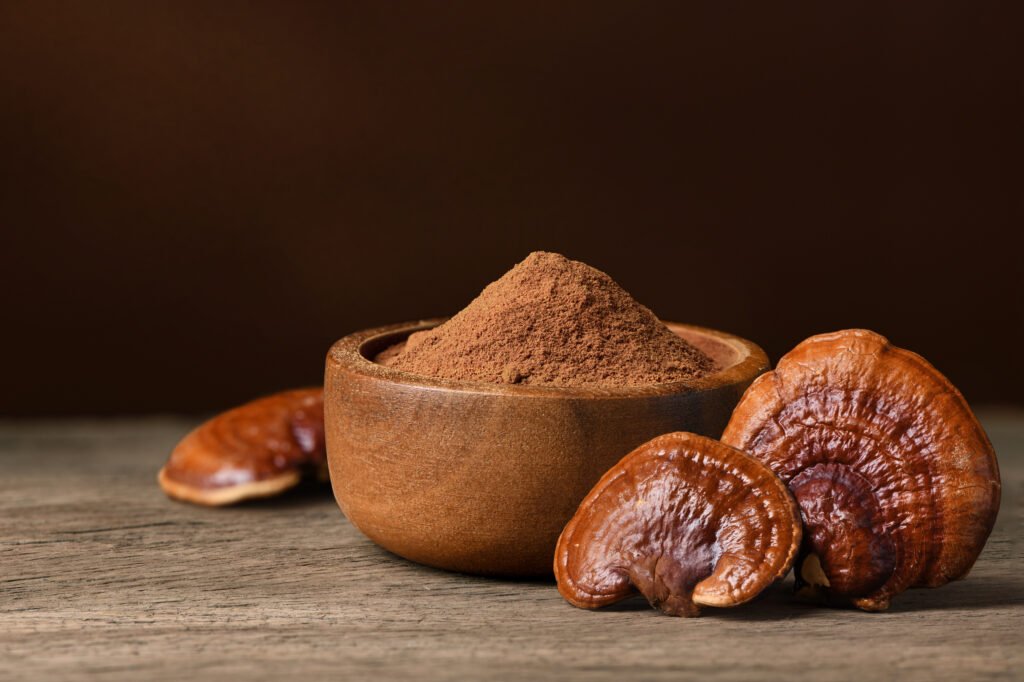
Oncology research has quietly been investigating what traditional healers have claimed for centuries: certain mushrooms possess powerful medicinal properties. Reishi mushrooms, scientifically known as Ganoderma lucidum, have emerged as the primary focus of clinical investigations. These studies represent a significant shift from folklore to evidence-based medicine, examining whether ancient wisdom can complement modern cancer treatment protocols.
Watch;
Clinical Evidence Reveals Mixed but Promising Results
Multiple clinical trials demonstrate that medicinal mushrooms provide measurable benefits to cancer patients, though not always in the ways patients might expect. The research consistently shows improvements in immune system markers and quality of life measures. Treatment-related side effects from chemotherapy and radiation appear reduced when patients supplement with medicinal mushrooms under proper medical guidance.
However, the holy grail of cancer treatment—direct tumor shrinkage and extended survival—remains elusive. Studies show inconsistent results when measuring these critical outcomes. Some trials suggest modest improvements in survival rates, while others find no significant difference compared to conventional treatment alone.
Watch:
Got a health question? Ask our AI doctor instantly, it’s free.
Immune System Enhancement Takes Center Stage
The most compelling evidence centers on immune system activation. Medicinal mushrooms appear to stimulate various immune cells, including natural killer cells and T-lymphocytes, which play crucial roles in fighting cancer. This immune enhancement may explain why patients report feeling stronger and experiencing fewer infections during treatment. The mushrooms seem to work as biological response modifiers rather than direct anti-cancer agents.
Cancer patients often face compromised immune systems due to aggressive treatments like chemotherapy. Medicinal mushrooms may help bridge this gap, providing immune support when patients need it most. This mechanism aligns with how the body naturally fights cancer, supporting rather than replacing the immune system’s own defenses.
Quality of Life Improvements Offer Real Value
While dramatic tumor shrinkage may grab headlines, quality of life improvements represent genuine victories for cancer patients. Clinical trials consistently report reduced fatigue, better sleep patterns, improved appetite, and decreased nausea among patients using medicinal mushrooms. These benefits, while seemingly modest, can transform a patient’s daily experience during grueling cancer treatment.
The psychological impact of these quality-of-life improvements shouldn’t be underestimated. Cancer patients who feel stronger and more energetic often engage more actively in their treatment plans. This improved engagement can indirectly support better outcomes through enhanced compliance with medical protocols and maintained nutritional status.
Meet My Healthy Doc – instant answers, anytime, anywhere.
Critical Warnings About Integration and Expectations
Medical researchers emphasize that medicinal mushrooms should never replace standard cancer therapy. Some patients, desperate for alternatives or discouraged by conventional treatment side effects, might view mushroom supplements as standalone solutions. This approach represents a dangerous gamble with life-threatening consequences. The current evidence supports mushrooms only as complementary therapies alongside proven cancer treatments.
Drug interactions pose another serious concern. Medicinal mushrooms can affect how the body processes certain chemotherapy drugs, potentially reducing their effectiveness or increasing toxicity. Oncology teams need complete information about all supplements to adjust treatment protocols appropriately and monitor for unexpected reactions.
Chat safely, anytime, with My Healthy Doc.
Sources:
https://www.sciencedirect.com/science/article/pii/S2772613425000204