
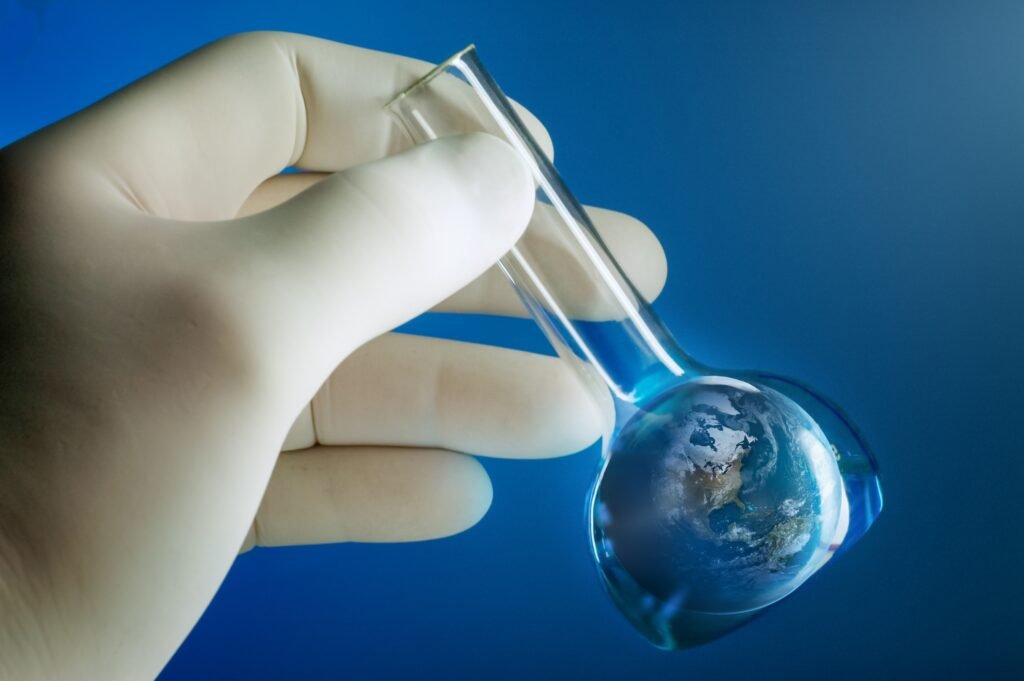
Microbial conservation could be the hidden key to saving our planet’s ecological future.
Story Snapshot
- Microbial conservation is emerging as a critical priority for ecosystem health.
- Microbes are foundational to climate regulation and the health of all macro-organisms.
- Neglect of microbial diversity could lead to severe ecological consequences.
- Major organizations advocate for policy changes to include microbes in conservation efforts.
The Importance of Microbial Conservation
Microbial conservation is gaining attention as scientists increasingly recognize the integral role that microbes play in maintaining the health of ecosystems. These microscopic organisms are foundational to biogeochemical cycles, climate regulation, and the health of all macro-organisms. The International Union for Conservation of Nature (IUCN) has established a Microbial Conservation Specialist Group, underscoring the need to integrate microbial conservation into mainstream policies. This shift highlights a growing consensus that microbes are as essential as plants and animals in conservation efforts.
Watch:
The Role of Major Organizations and Stakeholders
The IUCN, along with microbiologists and conservation biologists, is at the forefront of efforts to promote microbial conservation. Their agenda includes developing guidelines, raising public awareness, and advocating for policy changes to protect microbial diversity. Academic institutions are conducting foundational research, while policy makers and environmental NGOs are potential implementers of microbial conservation frameworks. Public engagement is also crucial, as citizen scientists can play a significant role in monitoring and preserving microbial biodiversity. Despite the growing recognition of microbial conservation, it remains underrepresented in mainstream conservation practice.
Watch:
Impact and Implications of Microbial Conservation
In the short term, microbial conservation can improve understanding of ecosystem health, enhance conservation translocation management, and reduce disease outbreak risks. Long-term implications include enhanced ecosystem resilience, improved food security, climate stability, and the prevention of mass extinctions. The benefits extend to wildlife and plant populations, agricultural sectors, and human communities dependent on ecosystem services.
Economic, social, and political impacts include potential reductions in healthcare costs, increased agricultural productivity, and the need for policy shifts to legally recognize and protect microbial diversity. The call for a “microbial renaissance” in conservation biology is growing louder, as experts advocate for microbiome-targeted interventions to reverse biodiversity loss.
Sources:
NIH PMC12478101
Royal Society Proc. B 2018.2448
NIH PMC8802476
Nature s41564-022-01173-1
ASM mSystems.00062-25
Conservation Biology cobi.14088