
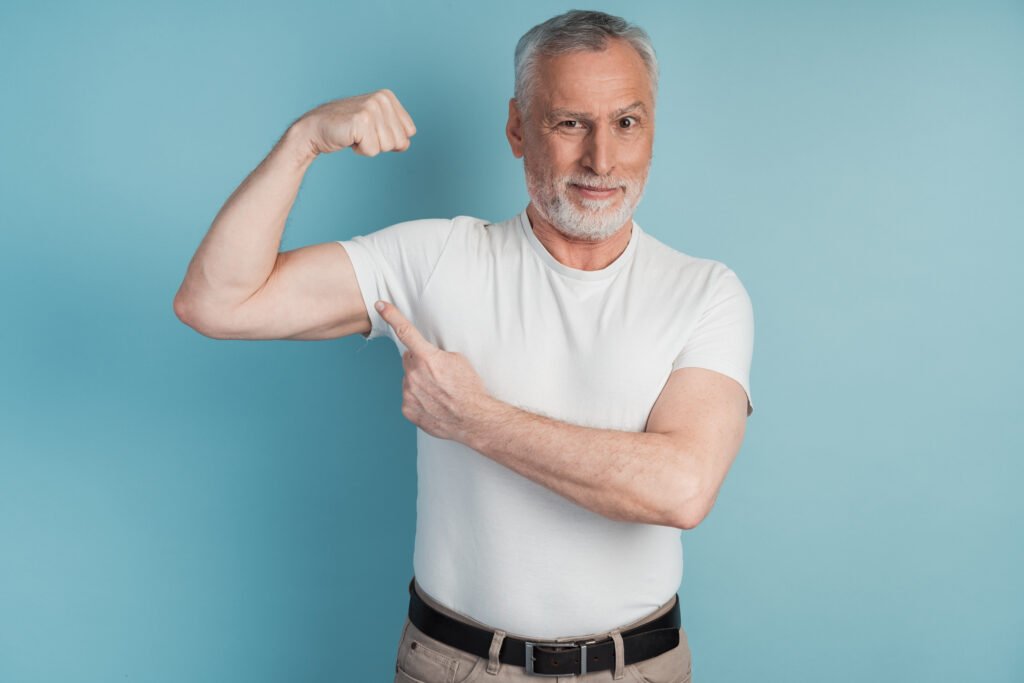
Grip strength alone predicted death risk better than cardio in a 12-year study of over 14,000 adults—what does this mean for your longevity?
Story Snapshot
- A 12-year study of 14,000+ adults aged 50+ showed low grip strength raised death risk by 45%.
- Strength training rivals or surpasses cardio for extending life, challenging common fitness myths.
- NIH data on 250,000 seniors found all activities cut mortality, with racquet sports leading.
- 2-4 times recommended exercise doses slashed all-cause mortality by up to 42%.
- Moderate activity beats extremes for long-term survival and slower biological aging.
Grip Strength Outpredicts Cardio in Longevity Study
Researchers tracked 14,000 adults over 50 for 12 years. They measured grip strength as a proxy for overall muscle power. Participants with the weakest grips faced 45% higher all-cause mortality risk than those with strong grips. This held true even after adjusting for cardio fitness levels. Grip strength emerged as the superior predictor of survival. Muscle health drives longevity more directly than aerobic capacity alone in older age.
Strong muscles combat sarcopenia, the age-related loss that leads to frailty and falls. Public health overlooked resistance training for decades while prioritizing running and cycling. Now data demands balance. Twice-weekly strength sessions build the functional reserve needed to thrive into the 80s and beyond. Sedentary lifestyles erode this reserve fastest, aligning with conservative values of personal responsibility through disciplined habits.
Watch:
NIH Cohort Reveals Best Activities for Seniors
NIH scientists followed 250,000 adults averaging 70 years old for 12 years. Meeting 150 minutes of weekly moderate activity cut death risk by 13% versus inactivity. Seven recreational types all lowered mortality. Racquet sports delivered the biggest reduction, followed by running and jogging. Walking, cycling, swimming, golf, and other aerobics also helped. Enjoyable movement sustains adherence, key for lifelong benefits.
Older adults gain the most from starting now. Frailty hits hardest after 70, but consistent activity preserves independence. This empowers individuals over reliance on medical interventions. Common sense dictates moving daily prevents the healthcare burdens of immobility.
Got a health question? Ask our AI doctor instantly, it’s free.
Dose-Response: How Much Exercise Maximizes Lifespan
Two U.S. cohorts totaling 116,221 adults tracked activity over 30 years. Recommended levels provided baseline protection. Doubling to quadrupling moderate activity—300-599 minutes weekly—dropped all-cause mortality 26-31%, cardiovascular 28-38%, and non-cardiovascular 25-27%. Vigorous efforts at 150-299 minutes yielded 21-23% all-cause reductions.
Combining both hit peak benefits of 35-42% lower risk.
Diminishing returns past optimal doses match real-world limits. Pushing extremes risks injury without gain, echoing Finnish twin data on moderate activity’s edge. This fits American conservative emphasis on efficiency—achieve outsized results through measured effort, not excess.
Twin Study Challenges Exercise Extremes
Finnish researchers analyzed 22,750 twins from 1975 to 2020. Moderate leisure activity linked to 7% lower mortality after controlling genetics and early life. High activity showed no extra benefit and tied to faster epigenetic aging. A U-shaped curve emerged: too little or too much accelerated biological clocks. Moderate levels optimized survival and youthfulness.
This tempers media hype around marathon training. Genetics explain why outliers endure extremes, but for most, balance prevails. Common sense favors sustainable routines over burnout, preserving family time and productivity.
Smart health starts here, try My Healthy Doc today.
Practical Steps and Real-World Impact
Guidelines recommend 150 moderate or 75 vigorous minutes weekly plus two strength days. Exercise snacks—short bursts like stair climbs—improve heart health without gym time. Grip tests predict outcomes; simple tools like hand dynamometers reveal risks early. Fitness shifts from aesthetics to function, boosting economies via healthier seniors.
Clinicians now prescribe combined training. Communities benefit from walkable designs and senior programs. Individuals control their fate: lift weights twice weekly, play tennis, walk briskly. These habits extend prime years, honoring self-reliance over dependency.
Grip strength is a strong predictor of mortality across cohorts and meta-analyses. Simple to measure, clinically useful.
References: Celis-Morales CA et al. BMJ. 2018.
Soysal P et al. Exp Gerontol. 2021
DM us to learn more. pic.twitter.com/NMW4EjMaOt— Barbell Shrugged (@BarbellShrugged) December 16, 2025
Get fast, reliable health advice from your AI doctor now.
Sources:
https://greatergood.com/blogs/news/12year-study-reveals-which-exercise-boosts-longevity-more-than
https://www.tomsguide.com/wellness/fitness/12-year-study-reveals-the-type-of-exercise-that-makes-you-live-longer-its-not-cardio
https://okdiario.com/metabolic/en/sports/training/they-carried-out-a-12-year-investigation-and-found-exercise-has-a-surprising-impact-on-seniors-over-70-22146/
https://www.jyu.fi/en/news/does-exercise-really-extend-life-finnish-twin-study-offers-new-insights
https://www.ama-assn.org/public-health/prevention-wellness/massive-study-uncovers-how-much-exercise-needed-live-longer
https://www.sciencedaily.com/releases/2025/07/250711224321.htm
https://www.sciencealert.com/one-critical-factor-predicts-longevity-better-than-diet-or-exercise-study-says
https://www.prevention.com/fitness/a69108375/exercise-snacks-longevity-heart-health-study/