
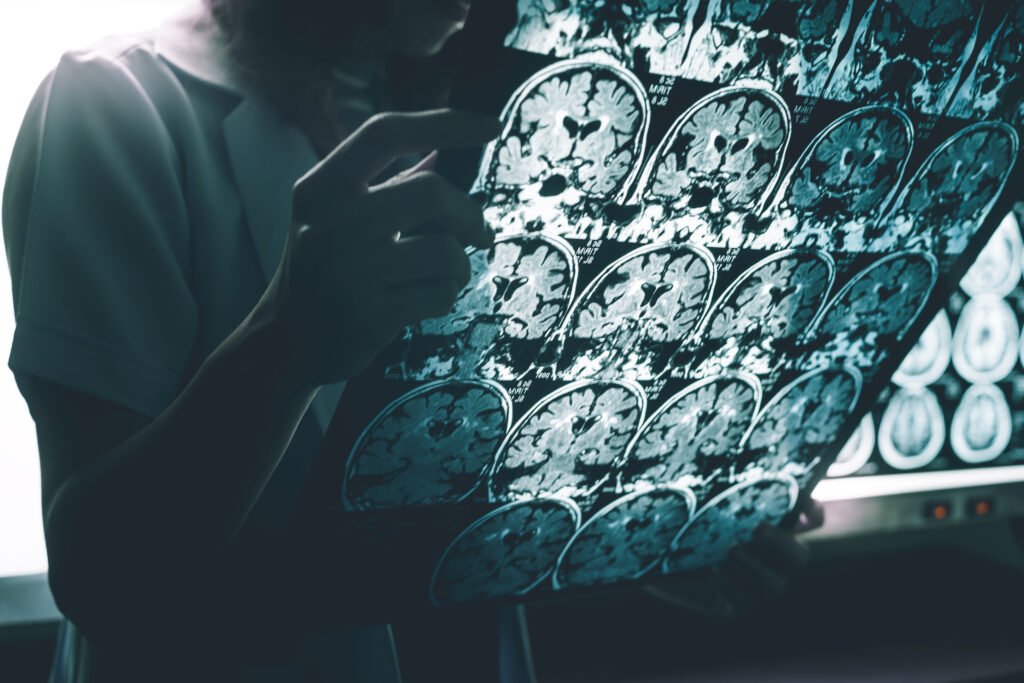
Scientists have discovered a revolutionary brain switching mechanism that dynamically reroutes neural pathways between memory recall and new learning.
Story Highlights
- Brain uses inhibitory circuits as switches to prioritize memory versus new experiences
- Discovery challenges traditional one-way brain rhythm theories with bidirectional communication
- Breakthrough could lead to treatments for memory disorders and cognitive decline
- Research combines computational modeling with live brain recordings in groundbreaking approach
Revolutionary Discovery Challenges Brain Science Fundamentals
Researchers at Spanish neuroscience institutes have shattered conventional understanding of brain function by identifying a dynamic switching mechanism that controls how we process information. Led by Claudio Mirasso and Santiago Canals, the team discovered that inhibitory neural circuits act as intelligent switches, directing brain resources between recalling familiar memories and processing new experiences. This finding, published in PLoS Computational Biology, represents a paradigm shift from static to flexible neural communication models that better explain human cognitive adaptability.
George McInerney finds this interesting 👍 Brain rhythms reveal a secret switch between old memories and new adventures https://t.co/XxkaVFOSc2
— George McInerney (@gmcinerney) September 17, 2025
The Brain’s Secret Communication Network
The research reveals that two types of inhibitory mechanisms—feedforward and feedback inhibition—govern the interaction between slow theta and fast gamma brain rhythms. First author Dimitrios Chalkiadakis explains that circuits adjust inhibition balance to “define which inputs to prioritize, whether from memory-related pathways or from new sensory information.” This bidirectional communication system allows the hippocampus to dynamically allocate resources based on situational demands, optimizing both memory retrieval and learning simultaneously.
Implications for American Health and Innovation
This breakthrough holds tremendous promise for addressing memory-related disorders that increasingly burden American families and healthcare systems. The mechanistic understanding of cognitive flexibility could revolutionize treatments for neurodegenerative diseases, psychiatric conditions, and age-related cognitive decline. Additionally, the findings may accelerate development of brain-inspired artificial intelligence and neuromorphic computing technologies, positioning American researchers and companies at the forefront of next-generation innovation that mimics the brain’s remarkable adaptability.
Future Applications and Research Directions
The study’s computational models combined with live electrophysiological recordings establish a robust foundation for translating findings to human applications. While current data comes from animal models, parallel research suggests similar mechanisms exist in human brains. This discovery opens pathways for developing targeted pharmaceuticals that modulate inhibitory circuits, potentially offering new hope for millions of Americans facing memory challenges. The research also supports broader principles of functional brain segregation, aligning with recent University of Pittsburgh findings on distinct synaptic transmission mechanisms.
As neuroscience advances accelerate under Trump’s administration focus on American scientific leadership, this fundamental breakthrough demonstrates the power of rigorous research in unlocking the brain’s mysteries. The discovery not only enhances our understanding of human cognition but also provides practical foundations for addressing the memory-related health challenges facing aging American populations through innovative, science-based solutions.
Sources:
Brain rhythms reveal a secret switch between old memories and new experiences
Study uncovers how the brain flexibly switches communication routes
Decades-old assumptions about brain plasticity upended
How Brain Rhythms Guide the Mind’s Pathways in Processing Information