

New brain imaging research is upending the assumption that widespread brain inflammation drives long COVID — and the actual findings point to something far more specific and sobering.
Story Snapshot
- Scientists expected brain scans to confirm widespread inflammation in long COVID patients, but the evidence tells a more targeted story.
- A Cambridge and Oxford study using ultra-high-field MRI found damage concentrated in the brainstem — the brain’s control center — not spread across the whole brain.
- Routine brain MRI scans have repeatedly failed to confirm visible abnormalities in long COVID patients, complicating diagnosis and treatment.
- Separate research links long COVID brain effects to Alzheimer’s-associated blood markers, raising longer-term health concerns.
What the Scans Actually Showed
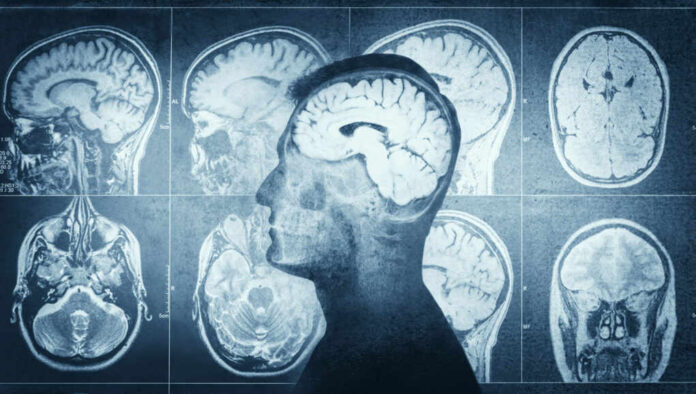
Researchers from the Universities of Cambridge and Oxford used a 7-Tesla quantitative susceptibility mapping MRI — one of the most powerful imaging tools available — to study COVID-19’s effects on the brain. Rather than finding the diffuse, widespread inflammation that many scientists had theorized, the scans revealed damage concentrated in the brainstem, specifically the medulla oblongata, pons, and midbrain. These regions collectively serve as the brain’s primary control center for breathing, heart rate, and basic bodily functions. [3]
The Cambridge findings linked brainstem abnormalities directly to long-lasting physical and psychiatric symptoms following severe COVID-19 infection. Critically, the damage was most pronounced in patients who had longer hospital stays, higher COVID-19 severity scores, stronger inflammatory responses during illness, and worse functional outcomes afterward. [1] This suggests the brainstem injury is not a universal feature of all long COVID cases but is concentrated among those who suffered the most severe acute infections.
Routine MRI Falls Short as a Diagnostic Tool
While the ultra-high-field imaging produced notable findings, standard clinical brain MRI has repeatedly disappointed as a diagnostic tool for long COVID. A published review found that neurophysiological symptoms following COVID-19 infection are not reliably associated with visually detectable abnormalities on routine brain MRI scans. [5] A prospective multicenter study of 140 adult patients referred for persistent neurological symptoms after COVID-19 reached similarly inconclusive results using conventional imaging. [4]
This gap between symptoms and scans has left millions of long COVID patients without clear biological confirmation of what they are experiencing. Doctors have struggled to explain debilitating fatigue, brain fog, and cognitive difficulties when standard imaging comes back unremarkable. The failure of routine MRI to capture what ultra-high-field technology can detect underscores both the complexity of the condition and the limitations of current standard-of-care diagnostic tools available to most patients. [5]
Brain Fog, Alzheimer’s Markers, and Deeper Questions
Beyond structural imaging, blood-based research is adding a troubling dimension to the long COVID picture. Researchers at New York University Langone Health found that long COVID patients carry elevated blood markers associated with Alzheimer’s disease mechanisms. [6] While this does not mean long COVID causes Alzheimer’s, it raises legitimate questions about whether the condition accelerates neurological aging pathways in some patients — a concern that warrants serious, sustained scientific attention.
Scientists thought brain inflammation was driving long COVID but the scans told a different story
A new brain imaging study has found no evidence of widespread brain inflammation in patients suffering from prolonged symptoms after COVID-19 infection. Instead, the most severe…
— The Something Guy 🇿🇦 (@thesomethingguy) May 28, 2026
Japanese researchers using positron emission tomography brain imaging separately identified widespread neuroinflammation as a potential driver of long COVID brain fog, adding another layer of complexity. [11] The emerging scientific picture is not one of a single clean mechanism but of a condition that may affect the brain through multiple overlapping pathways — brainstem damage in severe cases, limbic system changes in others, and possible Alzheimer’s-linked biological processes running in the background. Multimodal neuroimaging studies continue to explore the relationship between these findings and cognitive decline. [9] For the millions of Americans still managing long COVID symptoms years after infection, the science is finally catching up — but clear answers and treatments remain frustratingly out of reach.
Sources:
[1] Web – Scientists thought brain inflammation was driving long COVID but the …
[3] Web – Using Brain Imaging to Investigate the Long-Term Changes … – CAMH
[4] Web – Ultra-powered MRI scans show damage to brain’s ‘control centre’ is …
[5] Web – Brain MRI findings in patients with post COVID-19 condition – …
[6] Web – Routine Brain MRI Findings on the Long-Term Effects of COVID-19
[9] Web – Help us learn more about the effects of Long COVID on brain … – …
[11] Web – Cognitive impact and brain structural changes in long COVID patients