
What if the simplest antidote to dementia isn’t in a pill, a gym, or a diet—but in the company you keep?
Story Snapshot
- Frequent social engagement in late life can delay dementia onset by up to five years
- Nearly 2,000 older adults tracked over six to seven years showed a dramatic reduction in risk
- Social activity is now shown to rival the impact of diet and exercise on cognitive health
- Public health implications are enormous as dementia cases are set to double by 2060
Social Engagement: The Overlooked Fortress Against Dementia
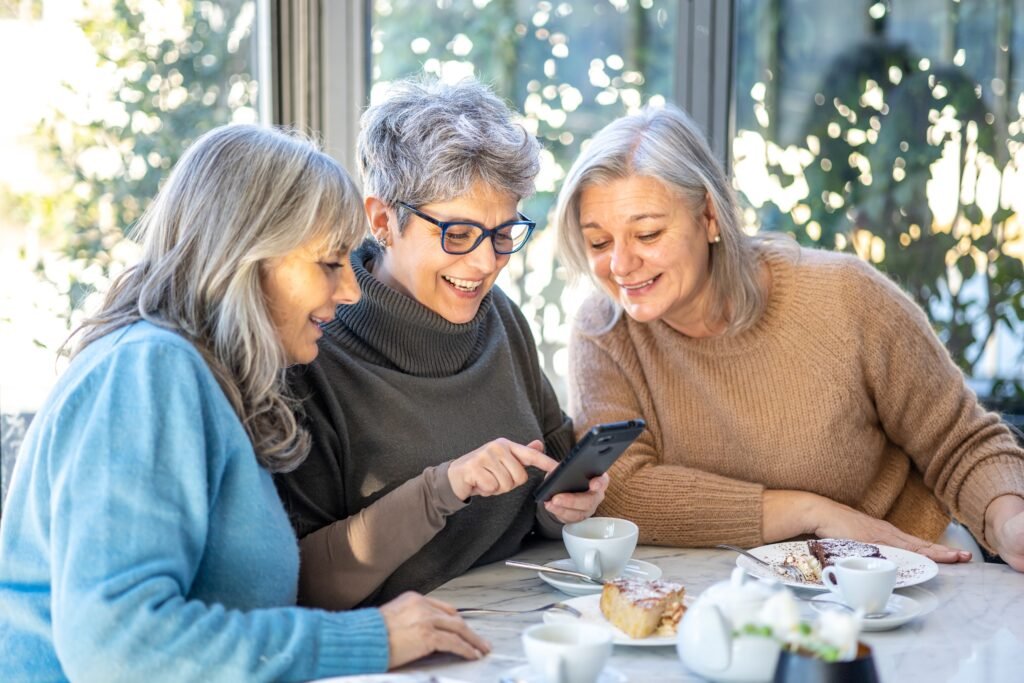
Every year, as millions of Americans cross into their seventh and eighth decades, the looming specter of dementia becomes less abstract and more personal. A groundbreaking study published in Alzheimer’s & Dementia now proposes a surprisingly potent shield: frequent social engagement. Unlike brain games or superfoods, this habit requires only genuine human connection—a resource accessible to most, but tragically underutilized. The research, spanning six to seven years and nearly 2,000 older adults, found that those who stayed socially active pushed back the onset of dementia by a remarkable five years, compared to their more isolated peers.
Participants who regularly interacted with friends, family, or community groups saw a 38% lower risk of developing dementia and a 21% lower chance of slipping into mild cognitive impairment. The magnitude of these results has startled even seasoned researchers, who have long focused on medical or physical interventions. The headline here isn’t about chasing the next miracle supplement—it’s about rediscovering the power of conversation, laughter, and shared purpose. The simplicity is almost subversive: no prescription required, no gym membership needed, just the willingness to stay woven into the social fabric of daily life.
Watch: The Brain Doctors: 5 simple habits to prevent dementia | Drs. Ayesha Sherzai and Dean Sherzai
The Numbers Paint a Stark Future—And a Simple Solution
The urgency is impossible to ignore. Dementia diagnoses in the United States are projected to double by 2060, with one million new cases each year on the horizon. As pharmaceutical breakthroughs remain elusive and the cost of care threatens to overwhelm families and healthcare systems, the value of cost-free, scalable interventions skyrockets. This new evidence elevates social engagement to the same level as physical activity and heart-healthy diets in the hierarchy of dementia prevention strategies. While earlier studies highlighted the dangers of loneliness and isolation, this is among the first to quantify how much an active social life can buy you—not just in years lived, but in years lived with your mind intact.
Researchers tracked participants’ cognitive health and social habits through regular check-ins, assessing not just how often they saw others, but the quality of those interactions. The protective effect remained robust even after accounting for variables like education, baseline health, and lifestyle factors. This suggests that social engagement is not just a proxy for healthier living—it is an independent, modifiable risk factor deserving of equal footing in public health campaigns.
Why Social Connection Works—and Who Stands to Gain
The science behind the phenomenon is still unfurling, but several plausible mechanisms are in play. Social interaction stimulates the brain, fostering neural connections and cognitive reserve. It may also buffer against stress and depression, both linked to accelerated cognitive decline. For older adults, especially those living alone or far from family, community organizations and local groups can make the difference between isolation and engagement. The impact isn’t limited to extroverts—introverts benefit too, provided the interactions are meaningful and regular.
The ripple effects extend beyond the individual. Families spared the agony of watching a loved one fade, caregivers relieved of relentless demands, and healthcare systems unburdened by delayed or reduced cases—all stand to benefit. Skeptics may argue that not everyone has equal access to social opportunities, especially in rural or underserved areas. Yet the low barrier to entry—no equipment, no special knowledge, just intentional connection—positions social engagement as a uniquely democratic intervention in public health.
Sources:
Seven habits reduce dementia risk even with Alzheimer’s risk genes
This enjoyable activity delays dementia onset by 5 years—want to stay sharp?
Study: Exercise Can Lower Your Risk of Dementia
How to Delay Dementia by 5 Years with This One Habit