
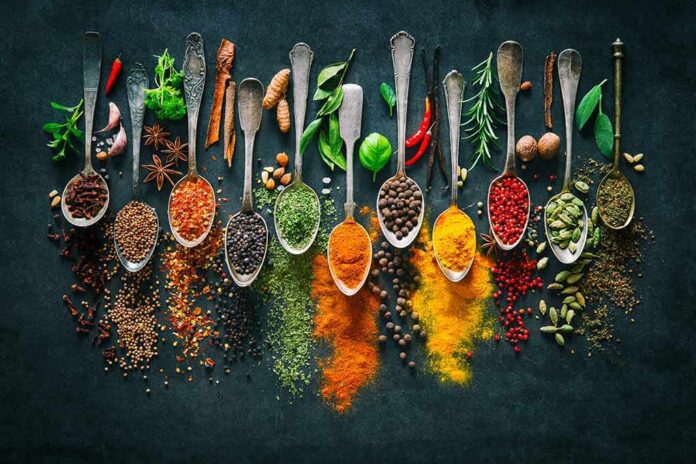
A pinch of turmeric and a dash of black pepper can nudge your fasting blood sugar down, and scientists now have the numbers to prove it.
Quick Take
- A 2024 meta-analysis found curcumin plus piperine lowered fasting blood glucose by nearly 6 points on average.
- The same combination showed no significant effect on HbA1c, insulin levels, or insulin resistance in that analysis.
- Other trials on curcumin alone report mixed results, ranging from meaningful drops to no change at all.
- Piperine, the compound in black pepper, helps the body absorb more curcumin from turmeric.
What The Newest Research Actually Found
Researchers pooling data from multiple clinical trials found that people who took curcumin and piperine together saw their fasting blood glucose drop by about 5.89 mg/dL compared to those on a placebo. That is a real, measurable change, not a guess or a rumor. But the same review found no significant improvement in HbA1c, the marker doctors use to track blood sugar control over months, nor in fasting insulin or insulin resistance scores.
That distinction matters. Fasting glucose is a snapshot of blood sugar at one moment. HbA1c tells the longer story. A supplement that moves one number but not the other is helpful, not miraculous. Readers chasing a cure-all should know this spice pairing is a modest tool, not a replacement for medication, diet changes, or a doctor’s guidance on managing diabetes.
Why Turmeric Alone Struggles To Work
Turmeric’s active ingredient, curcumin, has a well-known problem: the human body barely absorbs it on its own. That is why so many studies pair it with piperine, the compound found in black pepper. Piperine slows down how fast the liver breaks curcumin apart, letting more of it reach the bloodstream. Without that boost, turmeric sprinkled on eggs or blended into a smoothie may do far less than advertised.
Several smaller trials tested curcumin by itself and found it lowered fasting blood glucose, HbA1c, and even body mass index in people with type 2 diabetes. Other systematic reviews reached a more cautious conclusion, noting that curcumin’s benefits depend heavily on dose, how long people took it, and the specific population studied. One randomized trial even found the curcumin-piperine combo failed to move fasting glucose, HbA1c, insulin, or insulin resistance at all in prediabetic patients.
The Pattern Behind Every Supplement Headline
This is not a new story in nutrition science. A compound shows promise in a lab, small trials produce exciting numbers, and headlines run ahead of the evidence. The honest picture with curcumin and piperine sits in the middle. It reliably nudges fasting glucose down in pooled data, but it does not reverse diabetes, replace insulin, or fix every metabolic marker doctors track.
Dose and formulation also shift results dramatically. One trial used 500 milligrams of turmeric extract with just 5 milligrams of piperine daily and still saw fasting glucose drop by 6.6 mg/dL over four months, alongside a small HbA1c improvement. Other studies used higher curcumin doses, sometimes over a thousand milligrams, and found broader benefits including lower blood pressure and improved cholesterol. Consistency in sourcing and dosage remains the real variable most consumers cannot control at home.
What This Means For Someone Watching Their Blood Sugar
Adding turmeric and black pepper to meals costs pennies and carries little risk for most healthy adults. Johns Hopkins researchers note that everyday kitchen spices, including cinnamon and turmeric, may offer modest blood sugar and inflammation benefits without the price tag of a prescription supplement.
The smarter approach treats these spices as a supporting habit, not a substitute for proven medical treatment. Anyone managing diabetes or prediabetes should talk to a doctor before relying on turmeric supplements to replace medication. The science backs a small, real benefit for fasting glucose. It does not back the bigger promises floating around social media about reversing disease with a golden drink.
Turmeric is famous for its anti-inflammatory powers, but on its own, your body absorbs almost none of it. That is where black pepper comes in. Black pepper contains piperine, a compound that studies show boosts curcumin absorption by a massive 2,000% by slowing down its breakdown… pic.twitter.com/eL1tF0KMVZ
— Health Intel (@healthintel03) July 25, 2026
Kitchen spices earning real scientific attention is a welcome trend, especially as more Americans grapple with rising blood sugar and diabetes rates. But the strongest studies available urge caution against overselling what a spice rack can accomplish. Pair turmeric with pepper, enjoy the modest benefit, and keep the rest of a sound diabetes plan in place.
Sources:
pmc.ncbi.nlm.nih.gov, onlinelibrary.wiley.com, mindbodygreen.com, pubmed.ncbi.nlm.nih.gov, hopkinsdiabetesinfo.org, nature.com, youtube.com