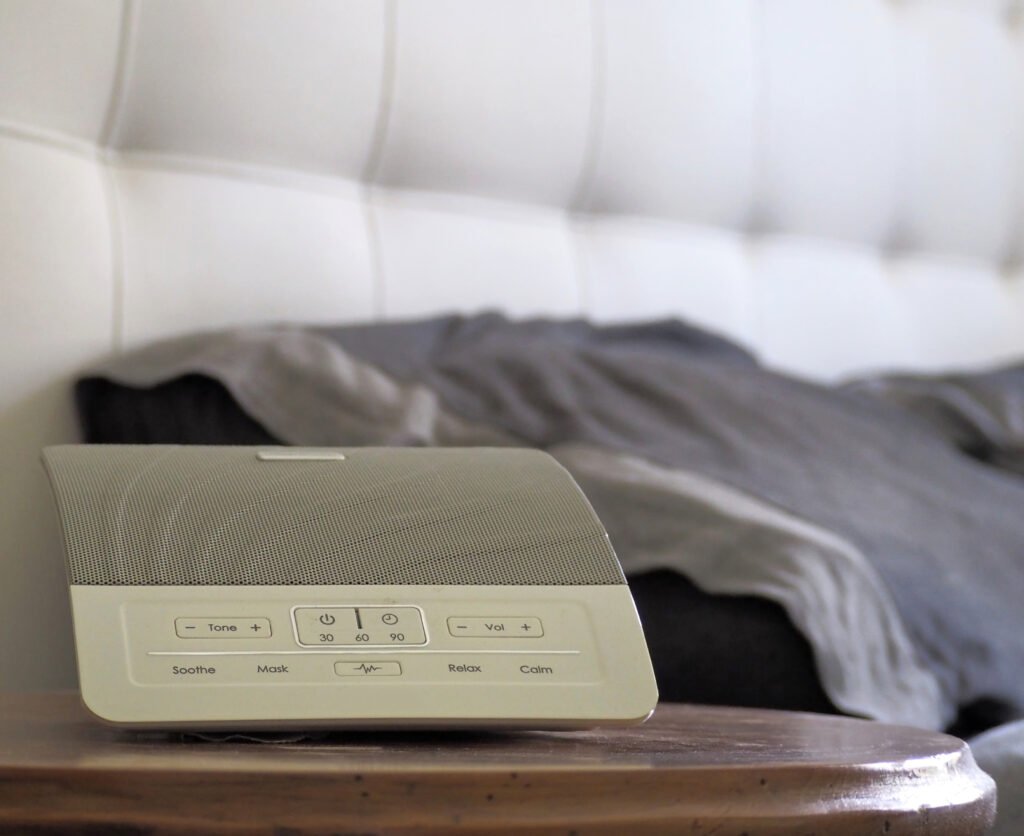
That white noise machine you’ve relied on for years might be actively sabotaging your sleep instead of saving it.
Quick Take
- Sound machines marketed as sleep aids can disrupt sleep cycles and exceed safe noise levels, particularly when used chronically or at high volumes above 91 decibels
- Pink noise demonstrates superior efficacy with 81.9% positive studies compared to white noise at only 33% success rate
- Children face developmental risks including hearing loss, speech delays, and learning deficits from prolonged exposure to high-intensity background noise
- Benefits remain context-dependent, showing genuine improvements only in genuinely noisy environments like hospitals or high-traffic urban homes
The Sleep Aid Paradox Nobody Talks About
Millions of people trust sound machines as reliable sleep solutions, yet recent research reveals a troubling disconnect between marketing claims and actual outcomes. White noise devices, which evolved from simple 1960s fans into sophisticated smartphone apps and smart speakers, were theorized to enhance brain connectivity in sleep-regulating areas like the thalamus and prefrontal cortex. This neurological promise attracted legions of devotees seeking refuge from modern noise pollution. However, the evidence increasingly suggests these devices work selectively at best and harmfully at worst.
When Sound Machines Cross the Safety Line
The critical problem centers on intensity and duration. While average users operate machines at 56 decibels, maximum volumes routinely hit 91 decibels or higher—exceeding occupational safety standards established by the National Institute for Occupational Safety and Health. A 2024 PubMed study raised alarms about childhood developmental risks from chronic exposure at unsafe levels. Animal models demonstrate that moderate-intensity chronic noise correlates with developmental delays, a finding that demands serious attention from parents relying on these devices for infant sleep.
The research distinguishes sharply between occasional use in legitimately noisy environments versus chronic nightly use as a habit. Hospitalized adults show genuine sleep efficiency improvements when white noise masks disruptive hospital sounds. Urban dwellers in high-traffic areas experience measurable reductions in sleep onset latency and wake-after-sleep-onset time. These targeted applications work because they solve specific acoustic problems. Routine use in normal home environments tells a different story entirely.
Watch:
Pink Noise Emerges as the Superior Alternative
The American Academy of Sleep Medicine’s systematic review revealed that pink noise outperforms white noise dramatically, with 81.9% of studies showing positive outcomes compared to white noise’s meager 33% success rate. Pink noise, which emphasizes lower frequencies and sounds closer to rainfall or rustling leaves, appears to align better with natural sleep architecture. This distinction matters because it suggests the problem isn’t background noise itself but rather the specific acoustic profile most devices produce.
Current research confirms white noise remains tolerable for short-term use without documented adverse effects in healthy adults, yet heterogeneous study designs prevent definitive meta-analysis conclusions. The 2025 hospital efficacy review called for larger randomized controlled trials across diverse populations.
Sound machines might be making your sleep worse https://t.co/ZhwLjecAP6
— J P Fanton (@HealthyFellow) February 4, 2026
The real issue facing the multi-billion-dollar sleep aid industry isn’t whether sound machines work—it’s that most people use them incorrectly. Setting volume caps on devices, limiting nightly use duration, and shifting toward pink or multiaudio options could preserve genuine benefits while eliminating misuse risks. Until manufacturers implement these safeguards voluntarily, informed users should treat sound machines as situational tools rather than universal sleep solutions.
Your instant doctor companion – online 24 hours a day.
Sources:
PubMed Central: White Noise and Childhood Developmental Risks Study
PubMed Central: Hospital Adult Efficacy Review 2025
Journal of Clinical Sleep Medicine: AASM Systematic Review on Pink and White Noise
PubMed Central: White Noise Machine Brain Connectivity Study
iHeartRadio: Background Noise Machines Impact on Sleep Quality