
A small handful of walnuts several times a week tracks with living longer, and the dose pattern is striking.
Story Snapshot
- Large U.S. cohorts link higher walnut intake with lower total and heart-related deaths.
- The strongest link shows at five or more walnut servings per week.
- Randomized Mediterranean diet trials with mixed nuts cut major heart events.
- Meta-analyses show a consistent nut-mortality link across many studies.
What the big U.S. cohorts actually found
Researchers tracked tens of thousands of U.S. women and men for decades. People who ate more walnuts had lower risk of dying from any cause. The pattern followed a clean step-down with each intake tier. Compared with none, less than one serving per week linked to a 9 percent lower risk, one serving to 13 percent, two to four to 21 percent, and five or more to 23 percent lower risk. Cardiovascular deaths also dropped among walnut eaters in these data sets.
The same research estimated more years of life at age 60 among regular walnut eaters. The trend did not hinge on one narrow subgroup. Men and women both showed benefits. These results came after adjusting for many lifestyle factors. That helps reduce bias, though it never erases it. Still, the consistent dose-response curve strengthens the signal. Food frequency tools are blunt, but big numbers and clear gradients matter when judging patterns.
How this fits the wider nut evidence
Independent teams have pooled many studies and found the same general picture. People who eat more nuts tend to live longer and die less from heart disease. A broad analysis reported about a 19 percent lower risk of death for high versus low nut intake, with similar gains for heart disease and some other causes. Another review found nut intake linked to lower events like stroke and heart disease incidence and deaths as well. Findings lined up across different countries and designs.
Walnuts often stand out inside that broader nut group. One review tied walnut intake to lower all-cause and heart mortality in pooled cohort data, even when measured apart from other nuts. Another analysis of older U.S. adults linked higher walnut intake with fewer total and cardiovascular deaths, especially among those with weaker overall diets. That last point suggests walnuts may help most when they replace lower quality snacks.
Signals from randomized diet trials
Randomized trials test diet patterns, not single nuts, but they still inform risk. The Mediterranean diet trial that added a daily mix of nuts, including walnuts, cut the combined risk of heart attack, stroke, or cardiovascular death by about one third compared with a control diet. That is not a walnut-only test, yet it shows that a nut-forward pattern can move hard outcomes. When mixed-nut arms win by clear margins, it supports the cohort links.
Another arm of the same trial emphasized olive oil and also reduced events, which points to a theme. Diets rich in unsaturated fats, fiber, and polyphenols seem to protect blood vessels. Walnuts bring plant omega-3 fat, called alpha-linolenic acid, plus polyphenols and magnesium. That mix supports better cholesterol particles, lower inflammation, and improved endothelial function in shorter studies. The long-term death signals match those mechanisms.
What to do with this as a shopper
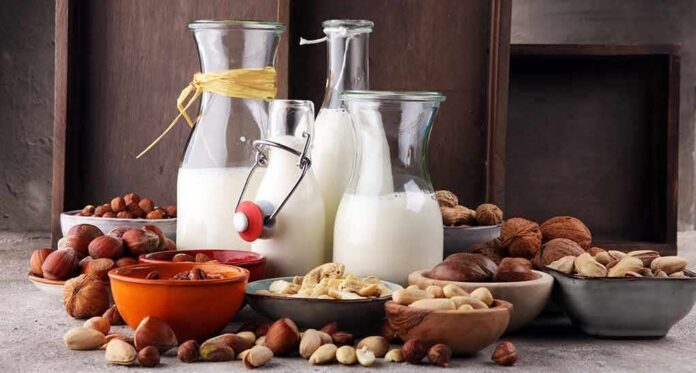
Start simple. Swap a daily cookie, chip bag, or candy for a small handful of walnuts. Two to four times per week is a solid floor. Five or more times per week tracks with the lowest risk tiers seen in U.S. cohorts. Keep portions sane to avoid extra calories. A small handful, about one ounce, is enough. Pair walnuts with fruit or Greek yogurt, toss on salads, or blend into oatmeal. Small repeats beat big bursts.
No single food cancels a bad lifestyle. But some swaps carry more upside than others. Replacing refined snacks with walnuts is one of those swaps. The evidence shows a steady, dose-shaped link with lower mortality in very large populations, confirmed across meta-analyses, and echoed by randomized diet trials that feature nuts. That is strong alignment for everyday choices. Vote with your grocery cart and let compounding do its work.
Sources:
youtube.com, ahajournals.org, sciencedirect.com, cambridge.org, pubmed.ncbi.nlm.nih.gov, pmc.ncbi.nlm.nih.gov