Your home silently dictates whether your nervous system thrives in calm or spirals into chronic stress—but simple tweaks can flip the switch to safety.
Story Snapshot
- Neuroarchitecture proves homes directly regulate stress via measurable heart rate drops and calmer breathing.
- Warm lighting, soft textures, and biophilic elements send instant safety signals to the brain.
- No costly remodels needed: start with one light bulb or decluttered corner for big physiological gains.
- 2023 VR studies confirm calming designs outperform subjective beauty preferences.
- Universal benefits combat everyday overwhelm for all, aligning with practical wellness rooted in science.
Neuroarchitecture Redefines Home Design
Neuroarchitecture merges neuroscience with architecture to target the nervous system’s responses. Researchers use neuroimaging and biometric sensors to track how spaces alter heart rate, breathing, and skin conductance. A 2023 VR study exposed participants to varied environments, revealing open layouts, soft colors, and nature views triggered strongest parasympathetic activation—the rest-and-digest state. Cluttered, harsh spaces kept bodies in sympathetic fight-or-flight mode. This field elevates design from decoration to health tool, backed by physiological data over opinions.
Homeowners gain immediate control over stress without experts. Neuroscientists map how sensory inputs like light and texture signal threat or safety to the brain. Environmental psychologists trace these effects to behavior and mood shifts. The convergence creates evidence-based strategies anyone applies, from apartments to houses.
Core Physiological Mechanisms at Work
The nervous system scans environments constantly for cues. Harsh overhead lights elevate cortisol; warm amber bulbs align circadian rhythms and boost melatonin for better sleep. Biometric data shows dim, indirect evening light lowers heart rates within minutes. Aromatherapy with lavender or cedarwood hits the limbic system directly, shifting mood fast. These responses prove design intervenes biologically, not just psychologically, offering conservative practicality: leverage nature’s signals for resilience without gimmicks.
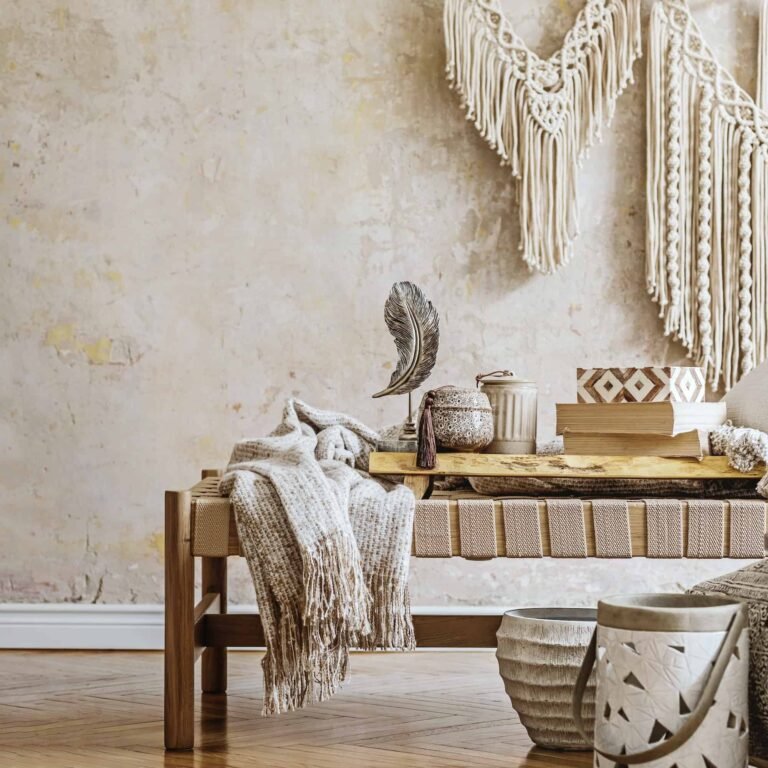
Soft textures like wool or linen activate oxytocin release via touch receptors, fostering calm. Natural materials ground users, reducing overwhelm. Sound matters too—nature playlists or silence slow breathing, while absorbers cut noise triggers. Facts align with common sense: prioritize body-proven basics over trends.
Watch:
Evidence-Based Design Principles
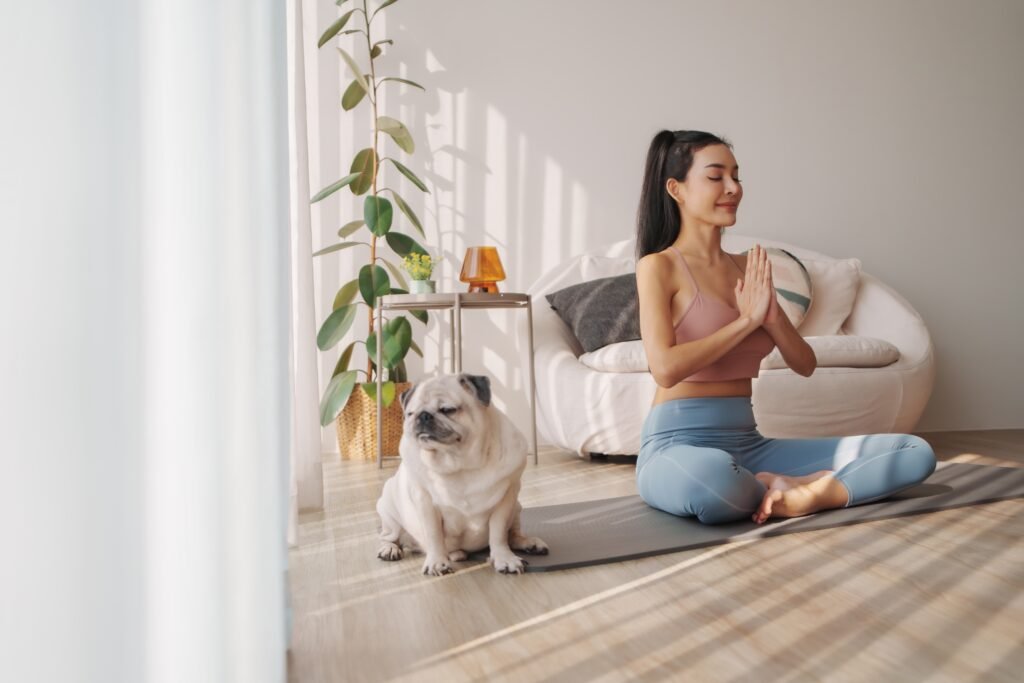
Warm neutrals, blues, and greens soothe visually; rounded edges process easier than angles. Declutter opens sightlines, granting the brain rest. Biophilic plants or water views cut stress hormones long-term, per VR metrics. Trauma-informed experts add retreat nooks with privacy and soft fabrics for decompression. These elements support diverse needs, from anxiety to daily fatigue, without mandating minimalism.
Rituals amplify effects: light a candle, diffuse oils, brew tea. Predictability reassures the brain. Neuroinclusive frameworks extend benefits household-wide, easing transitions and communication. 2025 insights stress small shifts yield outsized impacts, democratizing wellness.
Practical Implementation for Homeowners
Start small: swap bulbs to amber, layer natural textiles, add one plant. Track personal responses—lower stress proves success. Designers translate research into accessible plans; mental health pros pair it with therapy for trauma recovery. Long-term, residents report stable emotions, better sleep, fewer hormones. This paradigm shifts real estate toward health metrics.
Stakeholders from universities to therapists drive adoption via peer-reviewed rigor. Homeowners hold final say, valuing affordability. Individual preferences vary—some crave silence, others soft sounds—but core principles hold across cultures, grounded in universal biology.
Sources:
The Brain Wants to Feel at Home: Neuroarchitecture Insights
Designing Calm: How Neuroarchitecture Can Transform Your Home
The Wellness of Home: Why Cozy Spaces Heal the Nervous System
Designing a Healing Home: Decorate Your Space with Trauma-Informed Principles
What Is Neuroinclusive Design?
How to Create a Calm, Wellness-Focused Home: 4 Serene Design Strategies
Neuro Design Features
Designing a Nervous System-Friendly Home
Science of a Happy Home