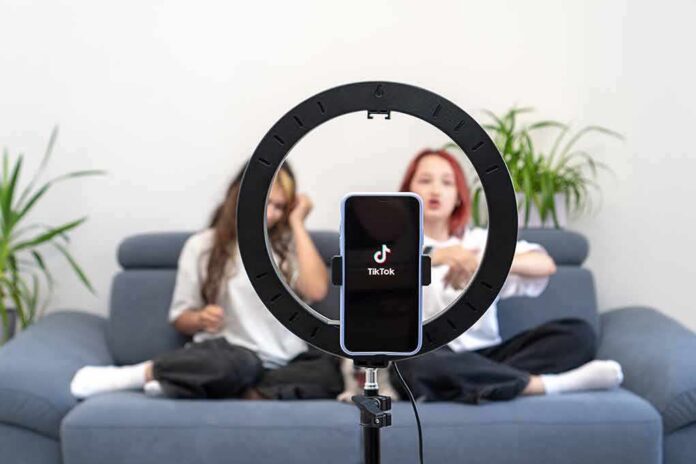
CBS Mornings put a hard question on the table: which TikTok wellness trends are actually worth your time—and which are hype?
Story Snapshot
- CBS Mornings aired a 3:37 segment on TikTok wellness trends worth adopting.
- Liz Baker Plosser joined as the featured expert and guide.
- The piece fits CBS’s ongoing push to separate smart habits from shaky fads.
- TikTok health content is huge, but quality varies and needs a filter.
What CBS Aired And Why It Landed
CBS News ran a CBS Mornings video titled “TikTok wellness trends worth buying into,” dated October 19, 2026. The segment ran three minutes and thirty-seven seconds, and it promised a simple service: name which viral health and fitness practices deserve a closer look. That tight run time forced clear picks and quick reasons. The network also filed the item on its exercise and TikTok topic pages, signaling it sits inside a steady editorial lane, not a one-off curiosity.
CBS tapped Liz Baker Plosser to walk viewers through the call sheet. Plosser is known for leading Women’s Health and writing a wellness-focused newsletter. That background fits the job of triaging trends for a mass audience. It is consumer guidance, not a medical lecture. It reflects an approach CBS used before: highlight safe, approachable habits and flag questionable ones that lack professional support or sound science.
The Stakes On A Scrolling Platform
TikTok now acts like a front door for health advice. That reach is powerful and risky. A rapid review found that about forty-two percent of health videos on the platform had quality problems or misinformation. A University of Chicago analysis reported that about forty-four percent of sampled health videos were not factual, with nonmedical influencers driving most of the errors. Viewers get energy and ideas from creators, but the odds of bad guidance are real.
That is the climate this CBS segment addressed: speed, scale, and mixed quality. Short, actionable guidance helps people say yes to what works and no to what wastes time or money. It also matches how people watch: in quick bursts. When a broadcast gives a clear lane for safer trends, it can crowd out the noise without scolding the audience for using the app.
How To Judge A Trend In Ten Seconds
Viewers can borrow the segment’s framing for daily use. First, ask what the goal is: better sleep, more movement, calmer mood, or strength. Second, check the cost and risk. Free habits with low downside deserve a trial. Third, look for a clear, repeatable action, not a miracle claim. Fourth, prefer advice from coaches, trainers, or clinicians who stand behind their names and methods. That mirrors CBS’s filter—approachable, safe, and sensible comes first.
Gayle King’s alarm clock goes off at 3:24 a.m.—but unlike productivity influencers on TikTok, she doesn’t head straight for the cold plunge or protein powder. Instead, the "CBS Mornings" co-host hits snooze three times before taking a bubble bath. 🔗 https://t.co/HHNXHlumYX pic.twitter.com/O7vbtO9luj
— The Wall Street Journal (@WSJ) October 24, 2026
Apply that filter to common TikTok themes. A short daily walk after meals? Low risk, clear benefit for many. Basic strength moves with proper form cues? Good for most adults. Sleep routines that dim light and set a bedtime? Strong return. On the flip side, extreme cleanses, miracle powders, or one-size-fits-all hacks set off alarms. They often cost more than they deliver. They also lean on anecdotes over evidence, which the data warns us to treat with care.
Why This Matters For Your Day, Not Just Your Feed
Most adults do not need a new identity to get healthier. They need a nudge that fits their routine. That is why a mainstream filter, on a mainstream show, matters. It normalizes small, good-enough choices. It also shows that big media can meet social media where people are, without preaching. CBS placed the piece alongside its broader exercise and TikTok coverage, so the audience can keep learning in the same lane after the clip ends.
One caveat is built into the tape length. Three minutes cannot cover every body, condition, or edge case. People with medical issues should check with their doctor before major changes. Yet the core service still stands. If a trend is simple, low cost, and lines up with common-sense health basics, it is likely a better bet than the flashy thing that drains your wallet. That is a rule you can use tomorrow morning.
Sources:
youtube.com, article.wn.com, cbsnews.com, podcasts.apple.com, captapi.com