

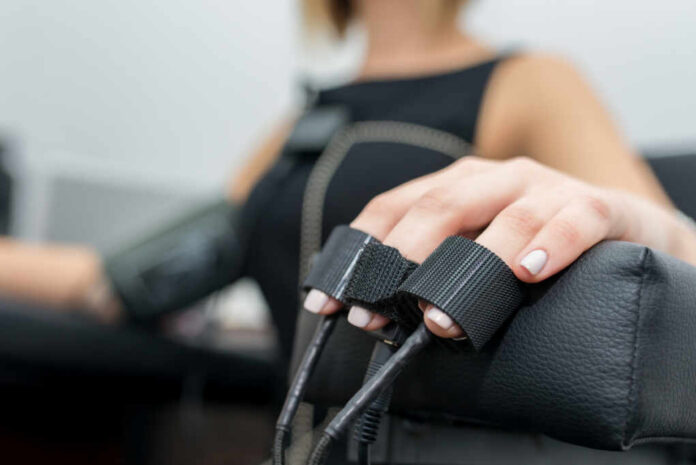
A simple heating pad applied to your legs at home for eight weeks dropped blood pressure as effectively as some medications, with every single participant sticking to the routine—a feat most exercise programs can only dream about.
Story Snapshot
- Lower body heat therapy reduced daytime systolic blood pressure by 5 mmHg in older adults over eight weeks, matching results from diet and exercise interventions.
- Home insulation and heating improvements lowered morning blood pressure by 3.1 mmHg, with hypertensive individuals seeing drops up to 7.7 mmHg in real-world studies.
- The leg heating intervention achieved 100% adherence, far exceeding the 60-95% typical compliance rates for exercise programs.
- These modest reductions could cut cardiovascular events by 14% and strokes by 28% over time, rivaling pharmaceutical interventions without the side effects.
The Heating Pad Revolution Nobody Saw Coming
Blood pressure management has long been the domain of pills, treadmills, and salt-free diets. A 2024 clinical trial flipped that script by demonstrating that heating pads wrapped around the legs for eight weeks delivered a 5 mmHg drop in daytime systolic blood pressure among older adults. The intervention required no gym membership, no dietary overhaul, and zero dropouts. Participants simply applied heat to their lower bodies at home, improving vascular function measured through flow-mediated dilation. The results matched what physicians typically see from moderate lifestyle changes, but with adherence rates that make exercise programs look like New Year’s resolutions.
The study builds on a decade of research into whole-body heat therapy, from saunas to hot tubs, which showed cardiovascular benefits in populations ranging from heart failure patients to women with polycystic ovary syndrome. Earlier acute studies in the 2010s proved that leg heating could immediately drop blood pressure and improve blood vessel function in older adults. This trial took the concept home, targeting practicality over clinical settings. The distinction matters: whole-body saunas pose risks for certain patients and demand equipment most households lack, while leg heating requires only inexpensive packs and a couch.
Your Thermostat Might Be Sabotaging Your Heart
Cold homes do more than spike heating bills; they silently elevate blood pressure. Housing research from Japan and Scotland reveals that improving indoor temperatures through insulation and heating guidance delivers blood pressure reductions comparable to the leg heating study. Japanese physicians instructing patients to warm their homes achieved a 4.4 mmHg systolic drop. Scottish insulation retrofits produced a 3.1 mmHg morning reduction, with hypertensive residents benefiting most—a 7.7 mmHg decrease versus 2.2 mmHg in those with normal pressure. The dose-response relationship is clear: warmer indoor environments correlate directly with lower readings.
These findings expose a public health gap. Low-income populations disproportionately occupy poorly insulated housing, enduring chronic cold exposure that compounds cardiovascular risk. Retrofitting homes becomes not just an energy efficiency measure but a cardiovascular intervention. The cost-effectiveness is striking—heating packs and insulation upgrades rival the expense of lifelong medication, without the pharmaceutical side effects or patient resistance to pill-taking. Social equity enters the equation when addressing thermal poverty, particularly among older adults on fixed incomes who face the highest hypertension rates.
Why Legs Beat Pills for Some Patients
The leg heating study’s perfect adherence rate demands explanation. Exercise programs plateau at 60-95% compliance, while medication adherence hovers even lower due to side effects, cost, and forgetfulness. Sitting with heating pads requires minimal effort, no sweating, and no pharmacy runs. The approach targets older adults specifically—a demographic with mobility limitations, chronic conditions, and polypharmacy concerns. Vascular improvements observed in the trial suggest the mechanism extends beyond temporary relaxation: repeated heat exposure appears to remodel blood vessels over time, enhancing their ability to dilate and reducing arterial stiffness.
Experts caution that sample sizes remain small and larger trials are necessary before clinicians prescribe heating pads wholesale. Yet the principle holds: modest, sustained interventions accessible in everyday settings may outperform intensive programs patients abandon. The American Heart Association’s endorsement of home blood pressure monitoring reflects similar logic—meeting patients where they live, literally. Telemonitoring trials from 2023 showed that self-measurement with physician feedback improved control rates and corrected abnormal diurnal patterns, reducing the white coat syndrome that leads to overmedication.
The Cardiovascular Strategy
A 3-5 mmHg systolic reduction sounds trivial until population-level math enters the picture. Meta-analyses confirm such drops cut cardiovascular events by 14% and strokes by 28% over years. The leg heating trial, housing retrofits, and home monitoring all cluster in this range—small individual gains multiplying into significant public health wins. Duke University research in 2024 added another wrinkle: three days of home monitoring can predict long-term blood pressure load with 90% accuracy, simplifying treatment decisions and avoiding the medication treadmill that afflicts many hypertensive patients.
The convergence of heat therapy, environmental fixes, and smarter monitoring points toward a decentralized hypertension strategy. Rather than relying solely on pharmaceuticals, physicians could prescribe a combination: insulate the home, use leg heating during winter months, and track readings with validated monitors.
Sources:
Lower Body Heat Therapy Study – PMC
Home Insulation and Blood Pressure – PMC
Home Blood Pressure Monitoring Meta-Analysis – AHA Journals
HBPM Self-Titration Trial – JAMA Network
Duke Blood Pressure Load Research