

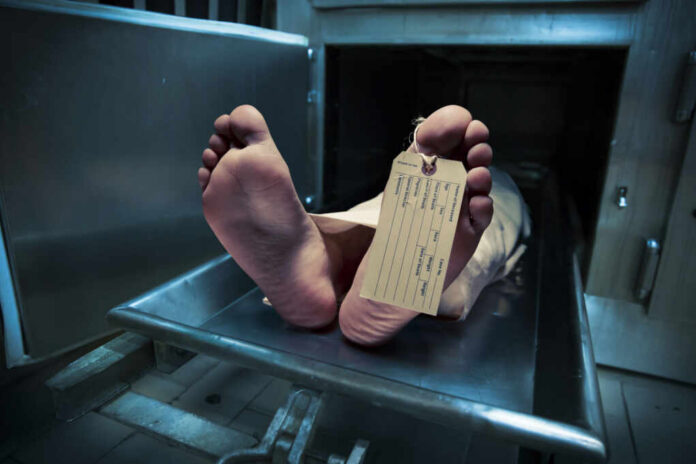
The man who woke up in a zipped body bag forces us to ask a question few of us want to face: how sure are we, really, that “dead” means dead?
Story Snapshot
- A Brazilian man was declared dead after catastrophic organ failure, then found moving in a body bag at a morgue.
- His brother spotted the “corpse” breathing, forcing staff to reverse the death call on the spot.
- The hospital framed it as a tragic medical mystery; many observers suspected a basic, preventable error.
- Other similar cases worldwide reveal a fragile chain between last breath, paperwork, and the funeral home.
The Brazilian “corpse” who refused to stay dead
Hospital staff in Salvador, Brazil told the family of Valdelucio Gonçalves that he was gone. After respiratory failure and multiple organ failure, doctors pronounced him dead and sent his body to the morgue, zipped into a bag like thousands of others each year.[2] Hours later, his brother came to say goodbye and noticed the impossible: the bag moved, up and down, as if someone inside was breathing.[2] Staff checked. Valdelucio was alive. The death certificate was wrong.
The hospital suggested a kind of medical fluke, hinting that a man that sick could show almost no detectable signs of life and then, for reasons unknown, rally enough to move again.[2][5] That explanation protects reputations but demands a lot of faith in the original judgment. Family members, and many Brazilians who followed the story, leaned toward a simpler conclusion: the medical team rushed the death declaration and skipped steps that should be nonnegotiable when a state stamps “deceased” on a citizen.[2][3]
Why doctors sometimes get death wrong
Every instinct says death, of all things, should not be flexible. Yet around the world, families keep encountering a grim pattern: someone is pronounced dead, sent toward burial or cremation, then discovered breathing in a coffin, on a funeral-home cot, or inside a morgue drawer. A toddler in India was found alive in her coffin at her own funeral before being declared dead a second time at the hospital.[1] Other cases echo the Brazilian story almost detail for detail.[4]
Medical literature and global health guidance draw a line between “apparent death” and true death, emphasizing that declaring death is a formal medical act with legal and moral weight.[3] Proper confirmation requires more than a quick pulse check: repeated examinations, time intervals, and, when equipment is available, tools that verify no brain or heart activity remains. Yet reality on a crowded ward often looks different. Overworked clinicians, minimal monitoring, pressure to free beds, and cultural expectations about not “prolonging suffering” can all quietly speed up that fateful call.[3]
The funeral home as last line of defense
One of the strangest lessons from these stories is that the final safeguard between a living human and the grave is often not advanced technology but funeral workers. In Brazil, staff responded when the brother saw movement.[2] In other reported incidents, embalmers or attendants noticed breathing, warmth, or muscle twitching as they prepared bodies. An elderly man in the interior of São Paulo reportedly showed signs of life only after arriving at a funeral home, forcing emergency crews to be called back into the picture.[4]
Brazilian man 'comes back from the dead' after funeral home realise he is still breathing while preparing 'body' for the wake https://t.co/9gzxEQ7l4z
— Daily Mail (@DailyMail) May 19, 2026
This should unsettle anyone who values a culture of life. The proper order is obvious: hospitals, with monitors and physicians, rule life in or out beyond doubt; funeral homes handle the truly dead. When that order reverses and undertakers start catching mistakes from doctors, something deeper is off. The problem is not that medicine fails occasionally—every field does—but that systems sometimes lack the humility, checklists, and accountability that treat death certification as something sacred rather than routine.[3]
Miracle narrative or accountability problem?
Families often reach for spiritual language when a “dead” relative stirs again. Brazilian relatives of Valdelucio credited a saint with bringing him back.[3] The family of a Mississippi man who woke up in a body bag thanked God for a second chance. For believers, this is natural; it gives meaning to what feels like a direct brush with eternity. Those testimonies deserve respect. But from a public-policy standpoint, miracle talk can become a convenient shield against hard questions.
When officials label such cases “miracles,” they can subtly shift focus away from checklists, training gaps, and institutional incentives that might have prevented the error. A miracle, by definition, cannot be audited. Yet the facts in cases like Valdelucio’s suggest ordinary causes: a rushed assessment on a critically ill man, minimal monitoring, and a system that quickly moves “bodies” down the line once a doctor signs a form.[2][5] Citizens should not have to rely on divine intervention or a sharp-eyed brother to escape premature burial.
What a culture that truly respects life would change
A society that claims to value human life from its beginning to its natural end should treat the moment we declare that life over with maximum caution. That means standardized protocols that require more than one clinician to confirm death except in clearly catastrophic injuries, mandatory waiting periods before transfer to morgues when feasible, and clear responsibility if procedures are not followed. These expectations do not require new technology, just the kind of discipline already common in aviation or nuclear power.[3]
The Brazilian man who woke in a body bag will remain a tabloid curiosity for many. For the rest of us, his story should function as an alarm clock. If we hit snooze, we may learn the hard way who gets zipped up next.
Sources:
[1] Web – ‘Dead’ baby found alive in coffin at her funeral, pronounced dead …
[2] Web – Brazilian man found alive in body bag in morgue | The Independent
[3] Web – Brazilian Man Rises From the Dead Before Almost Being Buried Alive
[4] YouTube – Elderly man, declared dead, shows signs of life at funeral home
[5] Web – Brazilian man found alive in body bag in morgue | The Daily Star