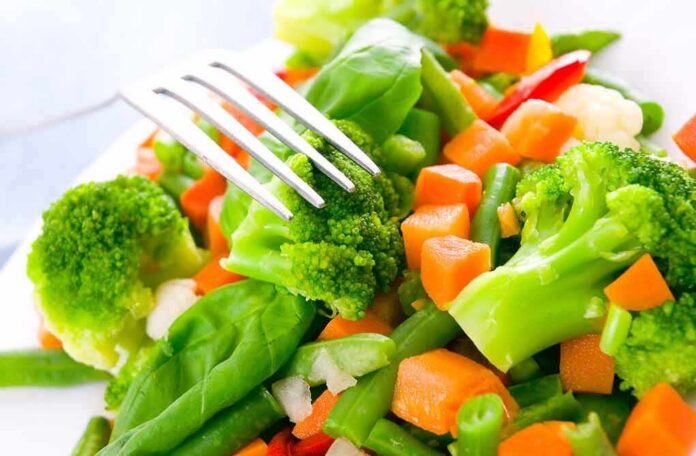
A compound found in broccoli just showed it can raise levels of a protein that people with a rare, fatal nerve disease desperately lack.
Quick Take
- Scientists found that sulforaphane, a natural compound in broccoli, raised frataxin protein levels in lab-grown nerve cells from Friedreich ataxia patients.
- The cells, grown from patient stem cells, showed up to 61% better survival after treatment compared to untreated cells.
- The compound also improved markers tied to cell stress and inflammation, both long blamed for nerve damage in this disease.
- The results come from lab dishes, not patients, so human trials are still needed before anyone calls this a treatment.
What Researchers Found In The Lab
Researchers studied sulforaphane’s effect on sensory neurons grown from stem cells donated by Friedreich ataxia patients. The study, titled “Unlocking Sulforaphane’s Potential in Friedreich Ataxia,” reported that the compound raised frataxin, the protein missing in this disease, while also shielding fragile nerve cells from damage. Frataxin loss is the root cause of Friedreich ataxia, a rare inherited disorder that destroys coordination, speech, and heart function over time.
The research team didn’t test sulforaphane alone. They compared it against omaveloxolone and dimethyl fumarate, two other compounds studied for nerve protection, using neurons built from actual patient cells alongside a matched healthy control line. That setup lets scientists see how disease-specific cells respond, instead of relying on generic lab cell lines that don’t carry the patient’s genetic flaw.
The Numbers Behind The Headline
The standout figure is a 61% jump in cell survival for sulforaphane-treated neurons compared to untreated ones. Treated cells also showed a better balance of glutathione, a key antioxidant the body uses to fight cell stress, along with changes in genes tied to inflammation and frataxin production. These are the same biological pathways scientists have targeted for years while hunting for a Friedreich ataxia therapy.
This isn’t the first time sulforaphane has shown promise here. A 2017 study found that in neurons engineered to lack frataxin, sulforaphane boosted a protective pathway called NRF2 and helped nerve cells grow longer branches, a sign of healthier function. A broader review of repurposed drugs for the disease echoed that sulforaphane restores antioxidant balance and supports nerve regrowth in patient-derived cells.
Why Broccoli Isn’t A Prescription Yet
Eating broccoli will not deliver the concentrated, lab-controlled doses used in this research. The study tested purified sulforaphane exposure in a dish, not dietary vegetable intake, and nothing in the findings shows the compound reaches nerve tissue at therapeutic levels after a meal. Turning this into medicine means building a pharmaceutical formulation, not stocking up on produce.
A Path Already Walked By Another Drug
Friedreich ataxia research has chased the same biological target, a protective switch called NRF2, for over a decade. That strategy already produced a real medicine. Omaveloxolone, another NRF2 activator, moved from lab studies through a randomized clinical trial and won federal approval in 2023 as the first treatment for this disease, after patients on the drug showed significantly slower decline on a standard disability scale compared to those given a placebo.
That history matters because it shows the road from petri dish to pharmacy is long but not impossible. Friedreich ataxia remains rare, which can limit the money drug companies invest in costly human trials. Still, the omaveloxolone approval proves that when researchers push a promising lab signal through proper testing, patients with this devastating disease can eventually get real relief.
Swinburne researchers found that broccoli-derived sulforaphane raised frataxin levels and protected vulnerable nerve cells in Friedreich ataxia cell models. Promising—but this was cell work, not a patient treatment. Human trials, especially for children, are urgently needed. pic.twitter.com/gs2AsoutNZ
— SkimNews (@SkimNews_) November 7, 2026
The sulforaphane findings add another legitimate candidate to that pipeline. Confirming it works outside a lab dish, at a safe dose, in real patients will take years of disciplined research. But the cellular evidence gives scientists a concrete, promising lead worth chasing.
Sources:
sciencedaily.com, pmc.ncbi.nlm.nih.gov, utsouthwestern.elsevierpure.com, medicalxpress.com, knowridge.com