One blood sample, drawn years ago after a routine fracture, ended up warning an entire family about a hidden cancer risk nobody knew was in their genes.
Story Snapshot
- Mayo Clinic’s Biobank now holds more than one million stored samples linked to medical records from roughly 52,000 participants.
- Researchers have sequenced protein-coding DNA for all 52,000 participants and used it to support more than 500 studies.
- One project screened for 78 medically actionable conditions, including certain cancers and heart diseases, flagging risks early for some families.
- Oversight groups, including an Institutional Review Board, review every outside request to use the data.
A Massive Genetic Library Built From Patient Donations
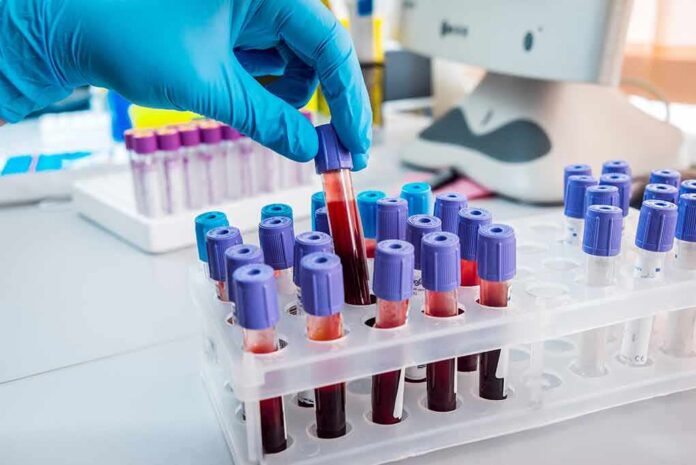
Mayo Clinic has quietly built one of the largest genetic research collections in the country. The Biobank stores more than one million tubes of blood and tissue, donated by patients who agreed to let scientists study their DNA alongside their full medical history. That pairing of genes and real-world health records is what makes the project valuable. Raw DNA alone tells researchers little. DNA matched to decades of doctor visits, scans, and lab results tells a story.
Mayo Clinic Bioservices says the Biobank reached its enrollment goal of 50,000 adult participants, drawing from the wide range of conditions already seen across Mayo’s patient population. A separate Mayo report puts the number at approximately 52,000, a gap likely tied to rounding or different count dates rather than any real contradiction. Either way, the scale is rare. Few research collections anywhere combine this much genetic data with this much linked clinical detail in one place.
From Shattered Leg To A Family’s Cancer Warning
The human side of this story often starts small. One Mayo patient donated a blood sample after treatment for a broken leg, never expecting it to matter again. Years later, researchers analyzing stored samples found a genetic variant called SDHD, tied to a hereditary cancer risk. That discovery sent the patient’s family into follow-up genetic testing and imaging, catching a risk early that otherwise might have gone unnoticed for years.
Janet Olson, the Biobank’s principal investigator, says cases like this reflect what makes the resource different from a typical one-time study. Samples collected years ago can be reexamined with tools that didn’t exist when they were first stored. Research that was technically impossible at collection time becomes possible later, without needing to draw new blood from every participant again.
Scanning For 78 Medically Actionable Conditions
Under a project called Biobank Project Generation, Mayo researchers analyzed genetic data from all 52,000 participants for variants tied to 78 conditions doctors can actually act on, including specific cancers and cardiovascular diseases. The goal is catching risk before symptoms appear, when early screening or preventive care has the best chance of changing an outcome. That’s a meaningful shift from genetic research that only explains disease after the fact.
Who Controls Access To A Million Samples
A collection this large raises an obvious question: who gets to use it? Mayo’s consent materials describe a layered review system. Access requests pass through the Institutional Review Board, a Biospecimen Subcommittee, and a Biospecimen Trust Oversight Group before any researcher, inside or outside Mayo, can touch the data. Participants sign consent forms authorizing use of their samples, questionnaires, and medical records, with confidentiality protections built into the agreement.
That governance structure matters because biobanks nationwide face a documented pattern of selection bias. Volunteer-based collections, no matter how large, can skew toward certain patient populations rather than the public at large, sometimes distorting the very associations researchers hope to find. Mayo’s materials don’t provide a full demographic breakdown proving its cohort mirrors the general population, so that remains an open question even as the dataset keeps proving useful case by case.
What A Million Tubes Really Buys
More than 500 studies have drawn on the Biobank, a number Mayo cites as evidence the resource earns its keep. What’s clear is that the Biobank has moved from a research experiment to a working tool doctors and scientists return to again and again. What’s still developing is how consistently that research turns into changed care for ordinary patients, beyond the individual cases Mayo has chosen to spotlight. For a reader skeptical of big institutional claims, the honest takeaway is this: the scale is real, the science is serious, and the proof of broad patient benefit will keep accumulating one family at a time.
Mayo’s own framing leans heavily on discovery and success stories, which is understandable for an institution showcasing its research arm. Readers should take the scale and the governance seriously while recognizing that one family’s story, however compelling, is not a substitute for broader outcome data across all 52,000 participants.
Sources:
youtube.com, newsnetwork.mayoclinic.org, mayo.edu