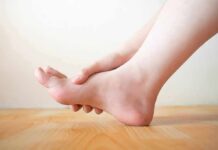
A six-week dose of a simple fiber supplement helped knee arthritis patients grip harder and hurt less, according to a new clinical trial.
Quick Take
- A controlled trial gave adults with knee osteoarthritis 20 grams a day of inulin, a prebiotic fiber, and tracked their pain and strength.
- Pain scores dropped more with inulin than with a placebo, and grip strength rose by a notable margin.
- The fiber group had far fewer dropouts than the group doing digital physical therapy alone.
- Researchers saw hints that gut hormones may play a role, but the study only lasted six weeks.
What The Trial Actually Tested
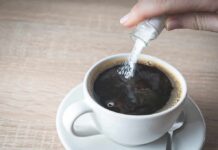
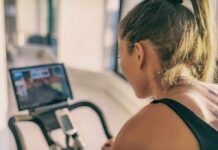
Researchers at the University of Nottingham ran a trial called INSPIRE. They split 117 adults with knee osteoarthritis into four groups. One took 20 grams of inulin daily. Another did digital physiotherapy-supported exercise through a program called Joint Academy. A third group did both. The fourth took a placebo, 10 grams of maltodextrin a day, for six weeks.
Inulin is a prebiotic fiber. It is not digested in the stomach. Instead it travels to the gut, where bacteria break it down and feed on it. That process is believed to shape inflammation and other body signals, which is why researchers tested it against joint pain.
The Numbers Behind The Headlines
Patients taking inulin reported a pain score drop of 1.11 points more than the placebo group. The result was statistically significant, but just barely, with a confidence range that stretched close to zero. Grip strength told a clearer story. Inulin users measured 38.6 on average versus 34.0 for placebo, a difference researchers called meaningful.
The inulin group also showed improvement in pressure pain thresholds, a measure of how sensitive the body is to pain signals. Temporal summation, another pain-processing measure, improved too. Those results suggest fiber may be doing more than masking soreness. It may be changing how the nervous system registers pain in the first place.
Why Dropout Numbers Matter Here
Only 3.6 percent of people in the inulin group quit the study early. Compare that to 21 percent who dropped out of the digital physiotherapy group. That gap matters. A treatment nobody sticks with cannot help anyone, no matter how promising it looks in a lab result. Easy daily compliance is a real strength for inulin as a practical option.
Interestingly, combining inulin with physiotherapy did not produce extra benefit beyond what each delivered on its own. That is a useful finding for patients weighing their options. It suggests the fiber’s effect stands on its own rather than depending on an exercise program to work.
The Gut Hormone Connection Researchers Are Chasing
Scientists tracked GLP-1, a hormone released in the gut that is best known for its role in blood sugar and appetite control. Inulin users showed higher GLP-1 levels, and researchers noted a link between that hormone and grip strength gains. That connection is intriguing, but it remains an association, not proof of cause and effect. Short-chain fatty acids, another gut byproduct, did not line up directly with pain scores.
What This Study Does Not Prove Yet
Six weeks is a short window. It cannot tell us whether the pain relief lasts, fades, or requires permanent daily fiber use. Grip strength improved, but broader mobility tests, like timed walking and sit-to-stand measures, showed no significant change with inulin. That is an important asterisk for anyone picturing dramatic overall strength gains from a fiber packet.
The findings apply specifically to inulin at a 20-gram daily dose in people with knee osteoarthritis. They do not automatically apply to other fibers like psyllium, to other joints, or to other forms of arthritis. Supplement research in osteoarthritis has a pattern of early positive trials followed by broader reviews calling the overall evidence quality low.
A Reasonable Next Step For Patients And Researchers
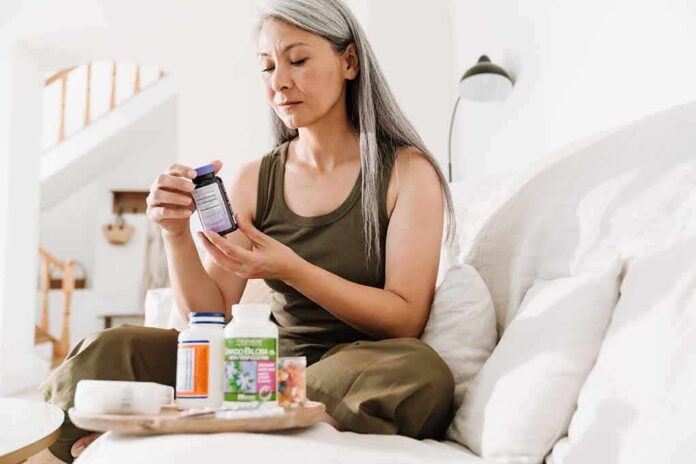
The trial gives patients a low-cost, low-risk option worth discussing with a doctor, especially given the minimal dropout rate. It does not replace proven treatments or guarantee long-term results. Larger trials with longer follow-up, and a closer look at how GLP-1 and gut bacteria interact with joint pain, would turn an encouraging six-week signal into something doctors can confidently recommend nationwide.
For now, the honest takeaway is simple. A common, cheap fiber supplement showed real promise in a well-designed trial, backed by numbers that are hard to dismiss and a side-effect profile that patients actually tolerated.
Sources:
youtube.com, cambridge.org, nottingham.ac.uk, conexiant.com, drugs.com, sciencedaily.com