

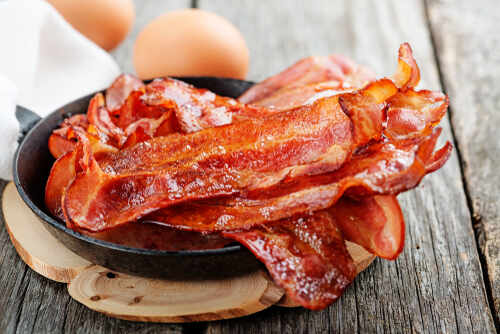
Nearly half of American adults grab bacon or hot dogs daily, blind to their direct link to soaring colorectal cancer rates killing young people.
Story Snapshot
- 50% of US adults unaware processed meats like bacon raise colorectal cancer risk, per February 2026 PCRM poll of 2,202 people.
- Two-thirds support warning labels on these foods once informed.
- Only one-third hear this from doctors amid rising early-onset cases, now top cancer killer under 50.
- Daily 50g processed meat hikes risk 16%; plant-based diets cut it 22%.
- 47% of US cases preventable through diet changes.
PCRM Poll Exposes Awareness Gap
Physicians Committee for Responsible Medicine and Morning Consult polled 2,202 US adults from February 9-11, 2026. Results showed 50% unaware processed meats increase colorectal cancer risk. Hot dogs and bacon, common at barbecues and breakfasts, form cancer-causing N-nitroso compounds from nitrates during processing. Releases hit media in late February, aligning with National Colorectal Cancer Awareness Month. This ignorance persists despite decades of evidence.
Scientific Roots of the Risk
World Health Organization’s IARC classified processed meats as Group 1 carcinogens in 2015. Nitrates and nitrites react under high heat to produce harmful compounds targeting the colon. AICR/WCRF’s 2017 report reviewed 99 studies on 29 million people. It found 50g daily—about one hot dog—raises colorectal cancer risk 16%. Red meat sits as probable carcinogen, Group 2A. Dose matters: over 18 ounces weekly amplifies danger.
Rising Crisis in Young Americans
Colorectal cancer strikes 371 Americans daily, third most common. Early-onset cases lead cancer deaths under 50, second overall, with 55,000 deaths projected for 2026. Young men face disproportionate impact. Ultra-processed foods, over 50% of diets, fuel inflammation and polyps. Overweight and alcohol users compound risks. American Cancer Society stresses screening like colonoscopies catches 90% early. Prevention via diet could stop 47% of cases.
Stakeholders Push for Change
Joseph Barrocas, MD from Novant Health and PCRM, demands doctors educate patients on diet links. Edward L. Giovannucci, Harvard expert, led the 2017 report affirming lifestyle’s major role. PCRM drives warning labels and plant-based advocacy. AICR estimates vast preventability. Meat industry lobbies against regulations. FDA and USDA hold label power. Only 33% of patients get this info from physicians, leaving gaps wide open.
Most Americans don’t know this food raises colon cancer risk
Nearly half of Americans don’t know that processed meat increases colorectal cancer risk, according to a new poll. But once they learn the connection, most support warning labels—suggesting people want clearer…
— The Something Guy 🇿🇦 (@thesomethingguy) March 25, 2026
Public Backs Labels, Experts Align
Post-poll, 66% support warning labels on processed meats. Whole Grains Council reported February 4, 2026, that more grains prevent 200,000 colorectal deaths. Plant-based diets slash risk 22% versus omnivorous. Fiber from 90g whole grains daily cuts 17%. Studies from 2019-2025 confirm 17-40% risk per 100g processed meat. Genetics may heighten effects. One small vegan study showed higher risk, but broader evidence favors plants and moderation over extremes.
Impacts Demand Action Now
Short-term, label campaigns and doctor training loom. Long-term, cutting intake prevents 108,000 cases yearly, saving healthcare billions. Young families and men under 50 suffer most. Economic hits to meat sales boost whole grains and plants. Screening demand surges. Balance plates with veggies, fiber, activity—American values of self-reliance through informed choices beat ignorance-fueled illness.
Sources:
AICR/WCRF 2017 Report: Processed Meats Increase Colorectal Cancer Risk
Independent: Nearly half of US adults unaware of processed meat and colorectal cancer link
Keck USC: Large-scale study explores genetic link between colorectal cancer and meat intake
Journal of Cancer: Red and Processed Meat Intake and Risk of Colorectal Cancer
Whole Grains Council: Eating More Whole Grains Could Prevent Nearly 200,000 Colorectal Cancer Deaths
SciTechDaily: Nearly Half of Americans Don’t Know This Popular Food Increases Colon Cancer Risk
EUFIC: What journalists need to know about vegan diets and colorectal cancer risk