

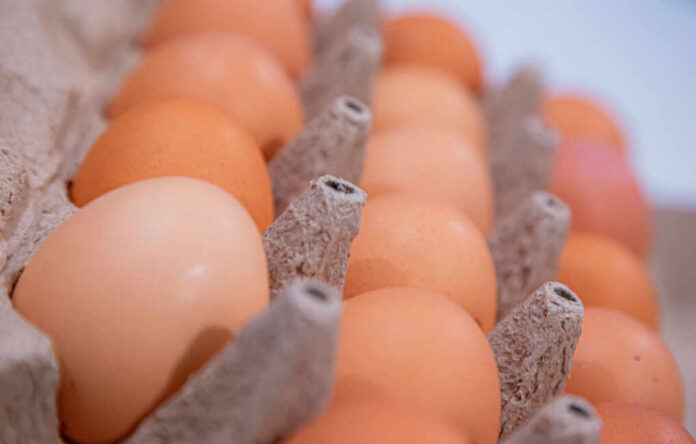
The unglamorous film inside an eggshell may be one of the most “complete” beauty-and-joint materials in the supplement world—because it arrives as a whole matrix, not a lonely powder.
Quick Take
- Eggshell membrane contains a connective-tissue “starter kit”: collagen (mostly type I), elastin, and glycosaminoglycans that include hyaluronic acid.
- Its selling point is synergy: multiple structural compounds packaged together the way biology actually uses them.
- Popularity has climbed as the collagen market has exploded and shoppers want alternatives to fish/bovine collagen and injectable or topical-only approaches.
- Quality control matters because sourcing and processing determine what you’re really swallowing.
Eggshell Membrane: The Upgrade Hiding in Plain Sight
Eggshell membrane is the thin lining you peel away when a hard-boiled egg doesn’t cooperate. Supplement companies figured out how to separate, dry, and mill that membrane, then sell it as a “beauty-from-within” and joint-support ingredient. The hook is straightforward: it naturally contains collagen, elastin, and glycosaminoglycans such as hyaluronic acid, plus other proteins that show up in connective tissue. The appeal for adults over 40 is obvious: skin and joints change together.
Most collagen products give you peptides and call it a day. Eggshell membrane’s pitch aims higher: not just collagen, but the supporting cast that helps collagen behave like collagen in the real world. Elastin contributes to stretch-and-snap properties, while glycosaminoglycans (including hyaluronic acid) help tissues hold water and resist friction. That combination explains why marketers talk about “structure,” “cushion,” and “hydration” in the same breath—three complaints that often arrive together after midlife.
Why the “Natural Matrix” Argument Lands With Common Sense
The matrix argument says you don’t want isolated fragments; you want a bundle of compounds that normally co-exist in the body’s scaffolding. That logic doesn’t prove clinical results by itself, but it passes the smell test: cartilage, skin, tendons, and gut lining don’t rebuild from one nutrient in isolation. They remodel using amino acids, structural proteins, and water-binding molecules in coordination.
The conservative way to evaluate this claim is practical: does it rely on measurable biology and transparent labeling, or vague “detox” language? Eggshell membrane sits closer to the measurable side because its components can be quantified and because branded ingredients have been used in human studies. Still, the consumer should keep one hand on the wallet: a “proprietary blend” that won’t disclose how much eggshell membrane you get per serving deserves scrutiny, especially in a category famous for marketing noise.
Collagen, Elastin, Hyaluronic Acid: What They Do After 40
Collagen type I dominates skin and bone structure; when people complain about “crepey” skin or slower recovery, they’re describing a scaffolding problem. Elastin relates to recoil—how well tissue returns to shape after movement or expression. Hyaluronic acid works like the body’s moisture manager, binding water and contributing to lubrication in joints and plumpness in skin. Supplements can’t promise you a new face or brand-new knees, but they can target the raw materials associated with those functions.
Food-based strategies matter here because supplements don’t operate in a vacuum. Many diet articles highlight bone broth as a direct dietary source associated with hyaluronic acid, while other foods act more like “boosters” rather than true sources. That distinction matters for consumers trying to buy logically: calling soy or leafy greens “hyaluronic acid foods” can blur the line between providing a compound and providing nutrients that support the body’s production pathways. Precision keeps people from chasing expensive misunderstandings.
What the Research and Marketing Both Reveal (and What They Don’t)
Eggshell membrane research grew from an unsexy origin story: industrial egg production generates mountains of shells, and the membrane turned from waste into a candidate ingredient. Compositional work has described an extracellular matrix containing collagen and elastin alongside glycosaminoglycans. Clinical attention then shifted to branded ingredients used in supplements, often focusing on joint comfort, mobility, and skin parameters such as hydration and appearance. That arc explains today’s “science-backed” language and why brands emphasize specific, trademarked membranes.
Marketing enters when those studies become product pages. Pairing eggshell membrane with colostrum or other add-ons may sound like a complete “structural support stack,” but consumers should separate what’s demonstrated from what’s merely bundled. Common sense says combination products can be convenient, yet they also complicate accountability: if you feel better, which ingredient did the work, and at what dose? That question matters when you reorder—or when you try to cut costs without losing benefits.
Buying and Using It Like an Adult, Not a Mark
Start with basics: verify the dose on the label, look for clear sourcing, and prefer brands that reference standardized ingredients rather than mystery powders. People with egg allergies should treat eggshell membrane as a potential risk and talk with a clinician. Watch for claim creep, too. Supplements in the U.S. can support structure and function, but they shouldn’t present themselves as treating disease. That line isn’t “red tape”; it’s a guardrail that protects consumers from expensive promises.
Expectations should match the biology of remodeling. Connective tissue changes slowly, and any supplement that implies overnight transformation insults your intelligence. Adults over 40 often do best with a boring-but-effective baseline: adequate protein intake, resistance training, sleep, and a targeted supplement if it fits. Eggshell membrane may be attractive because it bundles several connective-tissue constituents at once, but it still works, if at all, as part of a larger routine—not as a rescue mission.
Sources:
https://www.mindbodygreen.com/articles/eggshell-membrane-is-natural-source-of-collagen-elastin-and
https://us.thecollagen.co/blogs/news/5-best-hyaluronic-acid-food-sources-for-plump-hydrated-skin
https://us.yonka.com/blogs/blog/6-foods-high-in-hyaluronic-acid
https://www.healthline.com/nutrition/hyaluronic-acid-diet
https://pmc.ncbi.nlm.nih.gov/articles/PMC10002543/
https://www.goodrx.com/well-being/diet-nutrition/collagen-rich-foods
https://draxe.com/nutrition/best-collagen-rich-foods/
https://www.medicalnewstoday.com/articles/317151