

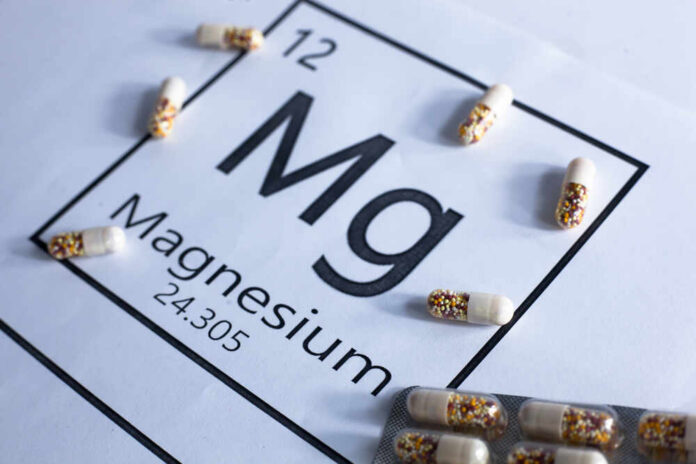
Magnesium promises dreamland, but science delivers a cautious maybe that could reshape your midnight rituals.
Story Snapshot
- Wellness trends hype magnesium supplements for sleep, yet peer-reviewed studies reveal mixed results demanding more rigorous proof.
- Observational data links higher magnesium intake to better sleep quality, but randomized trials show inconsistencies.
- Mechanisms involve muscle relaxation, melatonin boost, and cortisol drop, strongest in deficient or elderly populations.
- Experts urge larger, longer trials before blanket recommendations, prioritizing diet over pills.
Magnesium’s Biochemical Role in Sleep Regulation
Magnesium participates in over 300 reactions, including NMDA receptor inhibition for muscle relaxation and GABA enhancement for calm. Animal studies from the 1980s linked deficiency to disrupted melatonin and cortisol. Human observations in elderly groups showed insomnia symptoms resolving with supplementation. Early 2012 RCTs targeted primary insomnia, setting stage for broader inquiry. These pathways explain why low levels correlate with poor sleep metrics like duration and efficiency.
Observational Links Versus Randomized Trial Realities
Cross-sectional studies in the 2010s tied low dietary magnesium to insomnia risks. A 2021 systematic review of 7,582 adults confirmed associations with sleep quality. CARDIA’s 2022 longitudinal data found higher intake borderline improved outcomes, with odds ratio 1.23 near significance. RCTs from 2022-2023 demonstrated placebo-beating gains in sleep time, efficiency, and mood, statistically significant at p less than 0.05. Sample sizes stayed small, durations under 12 weeks.
Stakeholders Shaping the Magnesium Sleep Debate
Academic researchers like Arab et al. conduct meta-analyses seeking causal proof for guidelines. Cleveland Clinic nutritionists such as Zumpano caution on hype while noting relaxation benefits. MD Anderson experts affirm muscle easing pre-bed but deem evidence inconclusive. Wellness brands push glycinate mocktails up to 350mg nightly, fueling a $2 billion market. Clinicians bridge gaps, prioritizing RCTs over TikTok anecdotes in patient advice.
Recent Trials and Persistent Uncertainties
2023 RCTs reported no adverse events, full adherence, reduced latency, and elevated melatonin with renin shifts. Observational strength contrasts RCT limitations: few used polysomnography, many ignored baseline deficiency. Wellness sites like Sleep Foundation highlight ties to better rest without firm mechanisms. 2026 updates from Cleveland Clinic reiterate stress relief potential. Consensus demands objective measures in larger, extended studies.
Implications for Sleep-Struggling Americans
Elderly and deficient individuals gain most from modest boosts in subjective sleep. General adults meet RDA 310-420mg via diet, avoiding unnecessary pills. Overhype risks inefficacy for non-deficient users, though safe below excess thresholds causing diarrhea. Natural remedies cut pharma dependence. Economic upsides favor cheap minerals over pricier drugs if trials confirm.
Sources:
https://pubmed.ncbi.nlm.nih.gov/35184264/
https://esmed.org/MRA/mra/article/view/5410
https://academic.oup.com/sleep/article/45/4/zsab276/6432454
https://pmc.ncbi.nlm.nih.gov/articles/PMC3703169/
https://newsroom.clevelandclinic.org/2026/02/20/from-stress-to-sleep-the-many-benefits-of-magnesium
https://www.sleepfoundation.org/magnesium